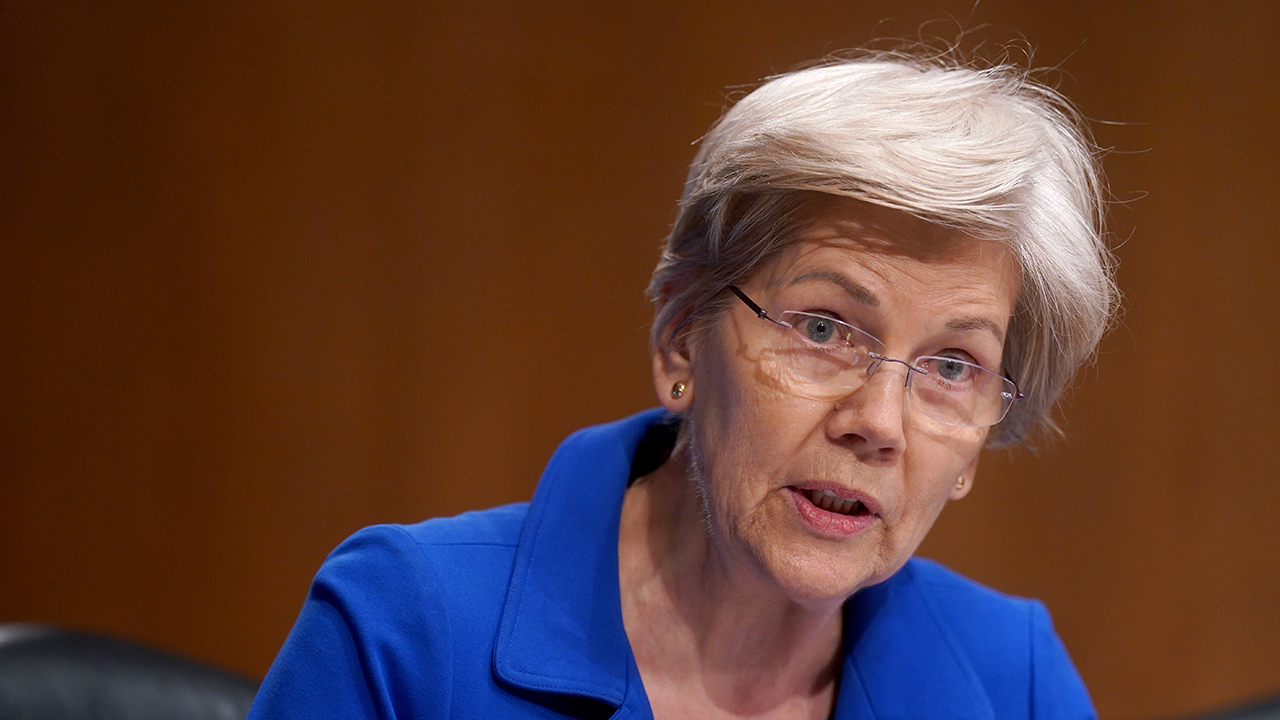

A new analysis from Senator Elizabeth Warren’s office paints a stark picture of how President Donald Trump’s “Big Beautiful Bill” - a sweeping budget and tax package - is reshaping federal spending priorities. According to the report, the billions in tax breaks given to major tech companies like Alphabet, Amazon, and Microsoft this year alone could have funded essential social programs for millions of Americans.

The findings, quantify how much those corporate tax cuts are costing the public. Under the new law:
- Alphabet (Google’s parent company) is projected to save $17.9 billion in 2025 — enough to pay for SNAP (Supplemental Nutrition Assistance Program) benefits for 7.5 million people, or provide Medicaid for 2.3 million adults or 5.4 million children.
- Amazon is expected to save $15.7 billion, equivalent to 6.6 million Americans’ food assistance or health coverage for 2 million adults.
- Microsoft’s 2026 tax break, estimated at $12.5 billion, could cover Affordable Care Act (ACA) premium reductions for 1.9 million people.
The scale of the tax windfall, Warren’s office argues, highlights a deep tradeoff between corporate incentives and public welfare.
“Donald Trump and Republicans in Congress are knocking millions of Americans off their health insurance and ripping away food assistance from families - all so they can fund giant tax cuts for billionaires and corporations,” Senator Warren said in a statement. “This is a matter of priorities: they’re fighting for their billionaire buddies, while Democrats are fighting for American families.”
The Numbers Behind the Bill
The Republican-controlled Congress passed the $3.2 trillion “Big Beautiful Bill” in July, framing it as a pro-growth economic package designed to boost innovation and keep U.S. corporations globally competitive.
Among its key provisions:
- A maintained lower corporate tax rate (21%) first introduced in 2017.
- Expanded research and development write-offs, allowing Big Tech to deduct a broader range of software and AI expenses.
- Deferred foreign income taxation, letting U.S.-based multinationals delay paying taxes on certain offshore profits.
At the same time, the bill tightens eligibility and trims funding for major social programs — including SNAP, Medicaid, and the ACA - deepening partisan rifts over fiscal priorities.