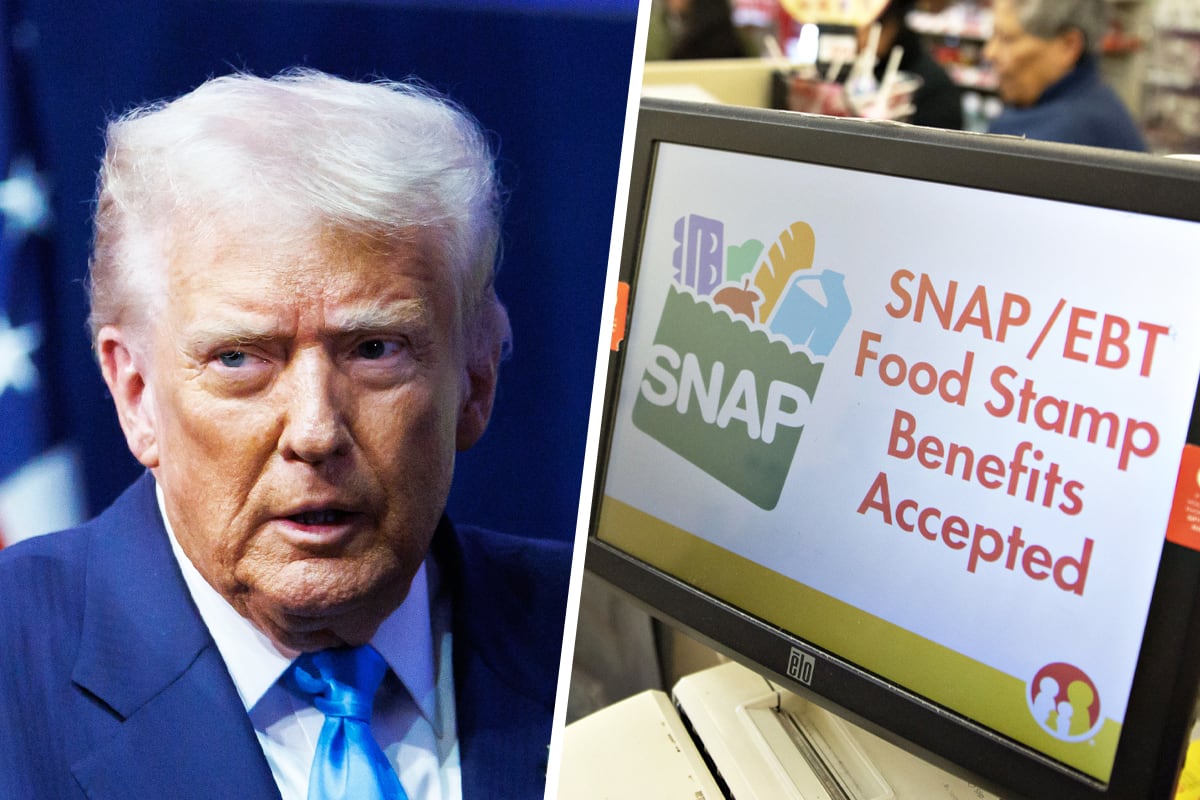

With millions of Americans relying on food-aid, two federal judges have ruled the United States Department of Agriculture (USDA) must continue payments even as the government funding crisis deepens. For business and social policy watchers, this speaks to political risk, execution risk, and the fragility of safety-net systems.

Context
-
The USDA had warned that SNAP benefits - covering about 42 million low-income Americans - were at risk of being suspended starting November 1 due to lack of appropriated funds during the government shutdown.
Two separate rulings emerged on October 31, 2025: one by Judge Indira Talwani in Massachusetts, giving the administration until Monday to outline how it will fund the program; and another by Judge John J. McConnell Jr. in Rhode Island issuing a temporary restraining order requiring immediate use of contingency funds.
The government argued it lacked legal authority to use the roughly $5 billion contingency fund and that using it would draw resources away from other critical programs like school lunches or disaster relief.
The states suing pointed out that not only could the contingency fund be used, but also an additional reserve (≈ $23 billion) existed, and that allowing the program to stop would cause immediate suffering, health costs, and economic drag.
Analysis
Here’s what’s often overlooked:
-
Systemic risk, not just policy optics. A shutdown-driven halt of SNAP would not just be a political mess - it would ripple through food retail, logistics, state economic planning, and public-health systems. The courts recognise this.
Contingency funds exposed. The stress test of SNAP funding lays bare the limits of emergency funds in federal policy. If contingency reserve logic can be challenged in court, the value of “emergency preparedness” as a buffer is weakened.
Political lever becomes economic lever.