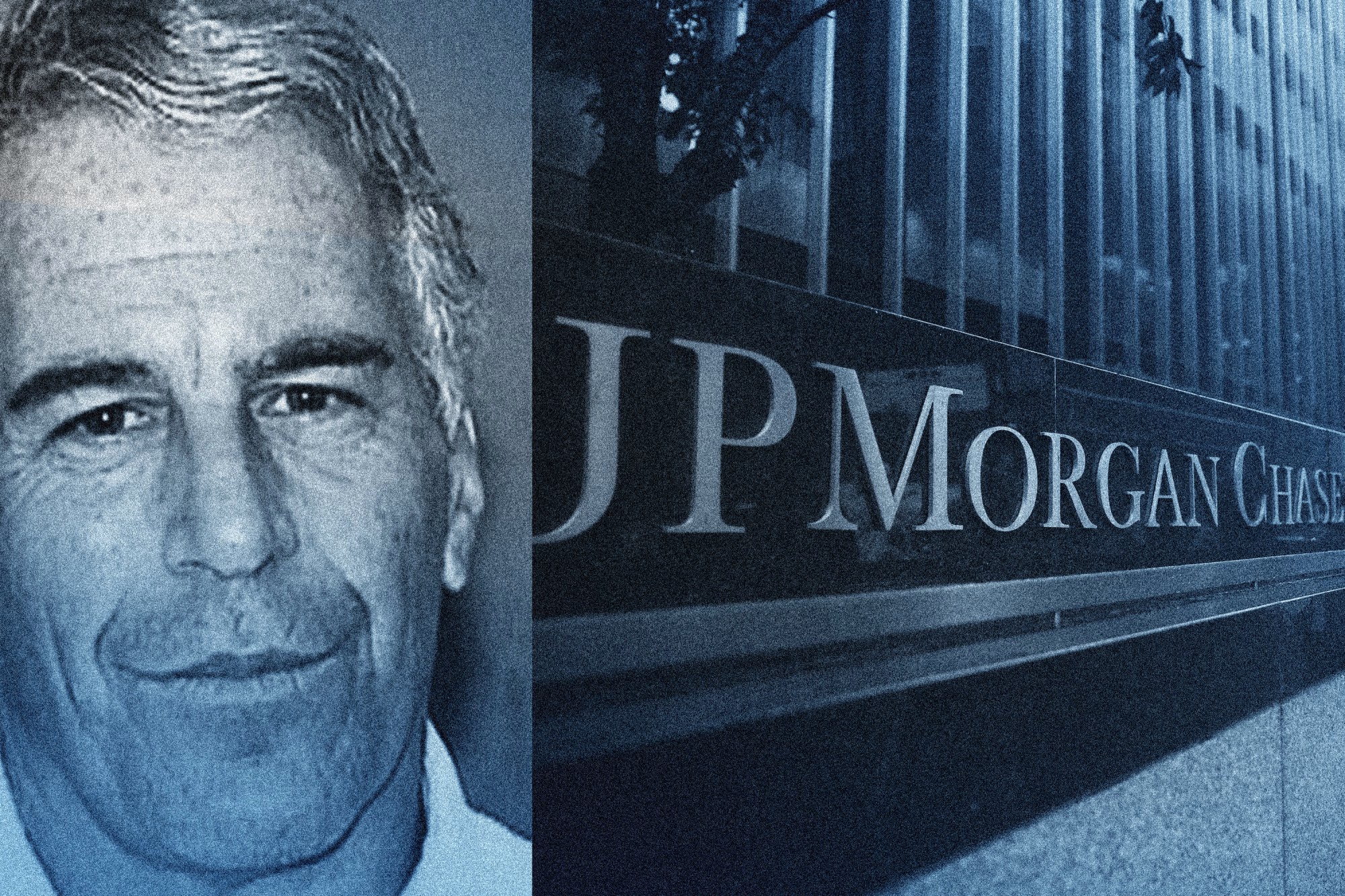

Internal records and recent court filings show that JPMorgan allowed Jeffrey Epstein to maintain high-volume accounts and processed over $1 billion in suspicious transactions. The issue goes beyond one client - it strikes at how global banks manage risk when big money meets scandal.

Epstein was a client of JPMorgan from 1998 until 2013.
-
In 2006, JPMorgan flagged Epstein’s repeated cash withdrawals of $40,000-$80,000 several times per month.
As of 2022/2023 lawsuits, JPMorgan was alleged to have reported more than $1 billion in suspicious transactions connected to Epstein to the U.S. Treasury, but only after Epstein’s 2019 death.
Internal emails show senior bank executives were aware of the risk at minimum by 2008, yet the relationship persisted.
Analysis
What most people are missing:
-
This story isn’t only about a bank’s bad client - it’s about how elite banks weigh revenue-versus-risk when a client is extremely lucrative. Epstein was among JPMorgan’s top revenue generators.
The case uncovers process vulnerability: bank compliance flagged the red-flags (cash withdrawals, recruiter payments, known associations), but escalation to senior decision-makers was weak or delayed.
The reputational risk now converts into regulatory and legal risk. If banks with global reach cannot enforce their AML (KYC) protocols consistently, the broader system’s trust is weakened.
For emerging markets (like Nigeria) and outsourcing of financial operations, the lesson is clear: global banks under-investing in compliance oversight create contagion risk for their partners and downstream ecosystems.
Implications
-
For global banking / finance: Large banks must re-examine how they treat “whale” clients whose attractiveness may overshadow risk triggers. Regulators will hold not just front-line compliance but senior executives accountable.
For clients and service providers: