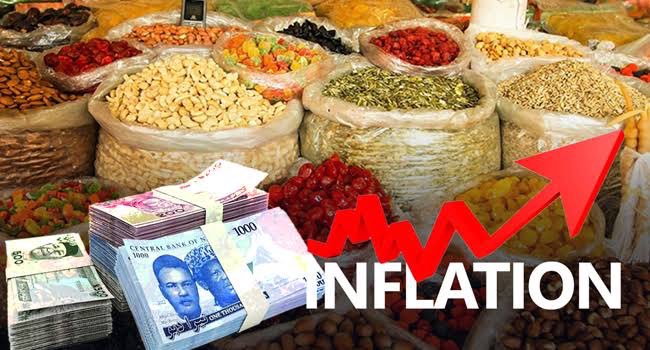

Nigeria’s headline inflation rate fell to 16.05 percent in October, extending a seven month streak of deceleration and offering the country a rare moment of economic relief after nearly two years of relentless price pressures. The decline, confirmed in new national inflation data published this week, indicates a continued slowdown in both urban and rural inflation levels, aligning with ongoing monetary tightening and improved supply conditions across several major sectors.

The easing marks one of the most sustained inflation declines Nigeria has recorded in recent years. After peaking earlier in the year, price growth has gradually slowed as the Central Bank of Nigeria maintained aggressive interest rate measures designed to rein in demand, stabilize the currency and curb food and transport costs. This latest figure, down from September’s reading, reinforces expectations that price stability is gradually returning, although analysts caution that the underlying drivers remain fragile and heavily dependent on global market conditions.
Rural inflation, a critical indicator for food producing regions and low income communities, dropped to 0.45 percent on a month to month basis, falling 0.22 percentage points from the 0.67 percent recorded in September. This easing is particularly important for rural households that have borne the brunt of rising transportation costs, post harvest supply challenges and volatility in fuel distribution. A sustained slowdown in rural inflation is often viewed by economists as an early signal that food prices, historically the most volatile component of Nigeria’s inflation basket, may be stabilizing.
Urban inflation also eased, though at a slower pace. Cities across the country have experienced fluctuating price conditions influenced by fuel costs, logistics disruptions and exchange rate adjustments. The October data suggests improved supply flows and slightly reduced pressure on the cost of essential commodities. Analysts note that inflation in many urban centers remains elevated relative to pre crisis levels, but the consistent downward trend points to a broader cooling effect across the economy.
Nigeria’s inflation story is closely tied to currency performance. The naira’s volatility has contributed significantly to imported inflation, raising the prices of fuel, food products and industrial inputs. Recent months have seen modest improvements in liquidity and foreign exchange