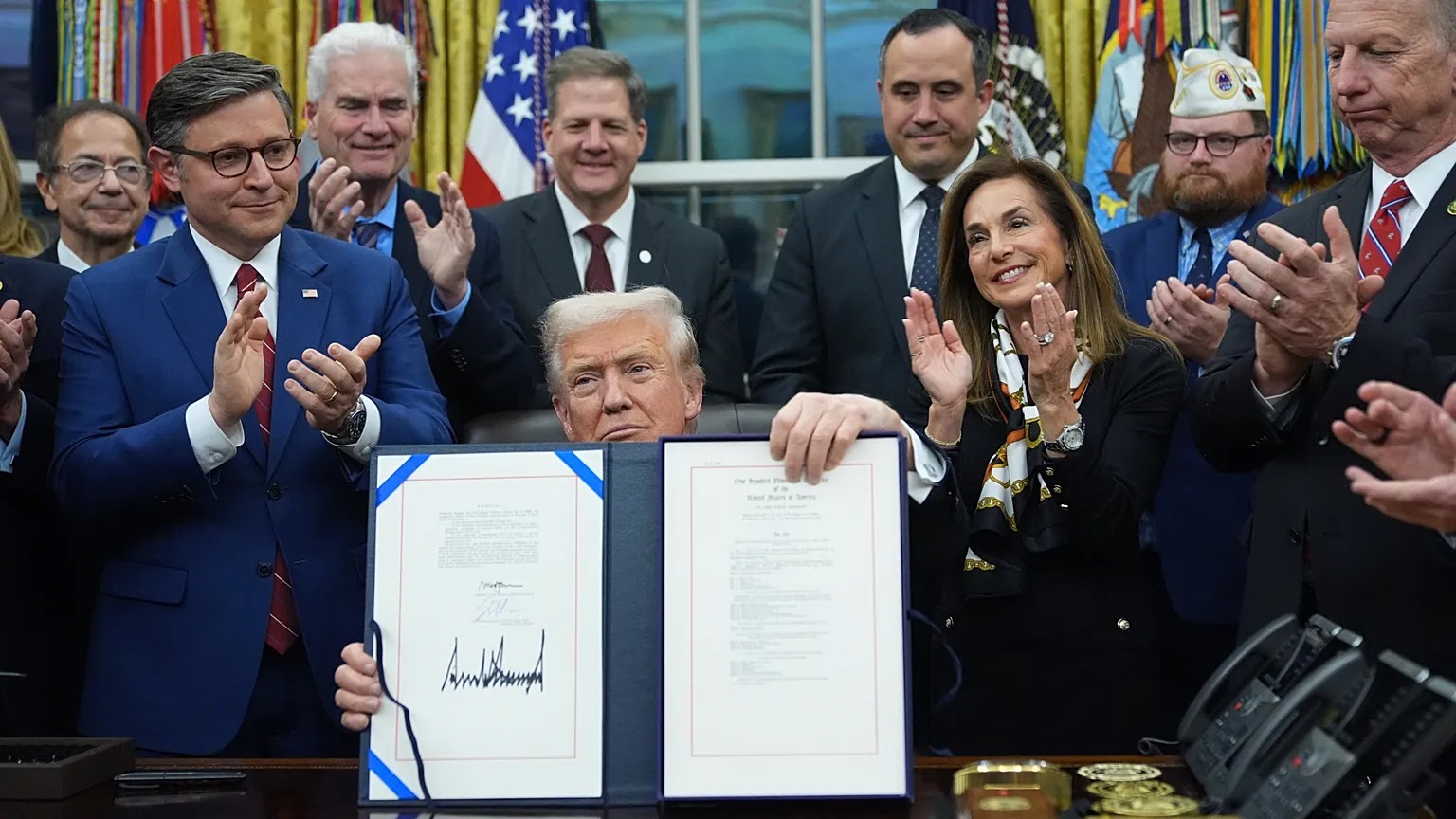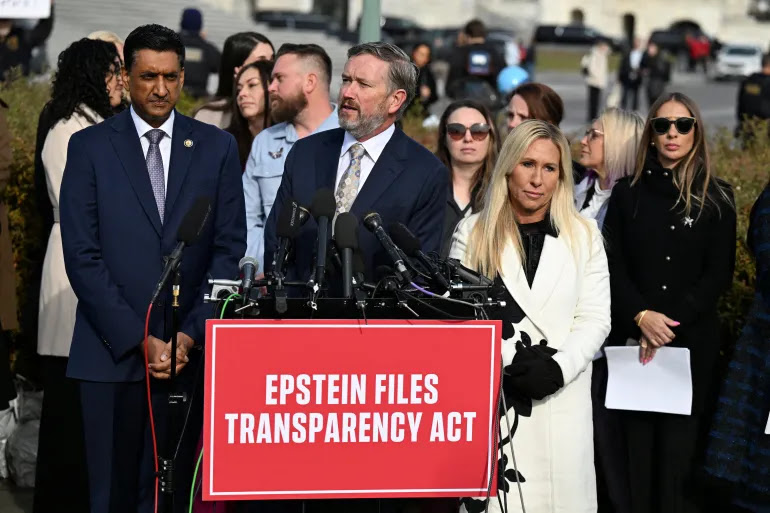

The United States has moved a step closer to an unprecedented release of federal documents tied to Jeffrey Epstein after Congress approved a bipartisan bill requiring the Department of Justice to disclose long-sealed investigative files, court materials and agency records. The legislation, passed late Tuesday, now heads to President Donald Trump, who must decide whether to sign a law that could expose one of the most politically sensitive archives in modern U.S. history. Lawmakers framed the vote as a long overdue act of transparency, while legal experts warned it could trigger complex court challenges over victim privacy, sealed proceedings and grand jury protections.

Passed by wide margins in both chambers, the bill mirrors recent congressional pushes to declassify records on events of major public concern, from the JFK assassination files to the 9/11 inquiry. Yet the Epstein legislation sits in a category of its own because the files involve not national-security events but a long-running criminal case entangled with wealthy financiers, former presidents, foreign royalty, academics, corporate executives and political donors. For nearly two decades, disclosure battles have played out in courtrooms and through Freedom of Information Act requests, with only a fraction of documents ever released.
After years of deadlock, Congress took the initiative. Lawmakers said their aim is to restore public trust in institutions that failed to fully investigate Epstein’s network and the circumstances that allowed him to evade more serious consequences after his 2008 non-prosecution agreement in Florida. That agreement, later ruled illegal for violating victims’ rights, has become a symbol of what critics describe as a two-tiered justice system.
“Sunlight in this case is not optional, it is necessary,” one senior senator said during the debate. Members of both parties echoed the sentiment, arguing that transparency is the only way to settle years of speculation and ensure accountability for institutional failures documented in past court decisions and inspector-general findings.
The vote places President Trump at the center of a politically delicate moment. Trump has publicly encouraged the release of Epstein files for months, telling lawmakers he supports full transparency. But presidential backing now carries higher stakes because the bill compels federal agencies to review, redact and publish documents under strict timelines.
The law orders the Department of Justice, FBI, and other agencies to disclose materials “to the maximum extent consistent with victim protection, ongoing investigations and federal law.” That phrasing reflects the fundamental legal tension: while much of the file can be released, grand jury materials cannot be unsealed without a court order, and certain victim-identifying information is protected under statute.