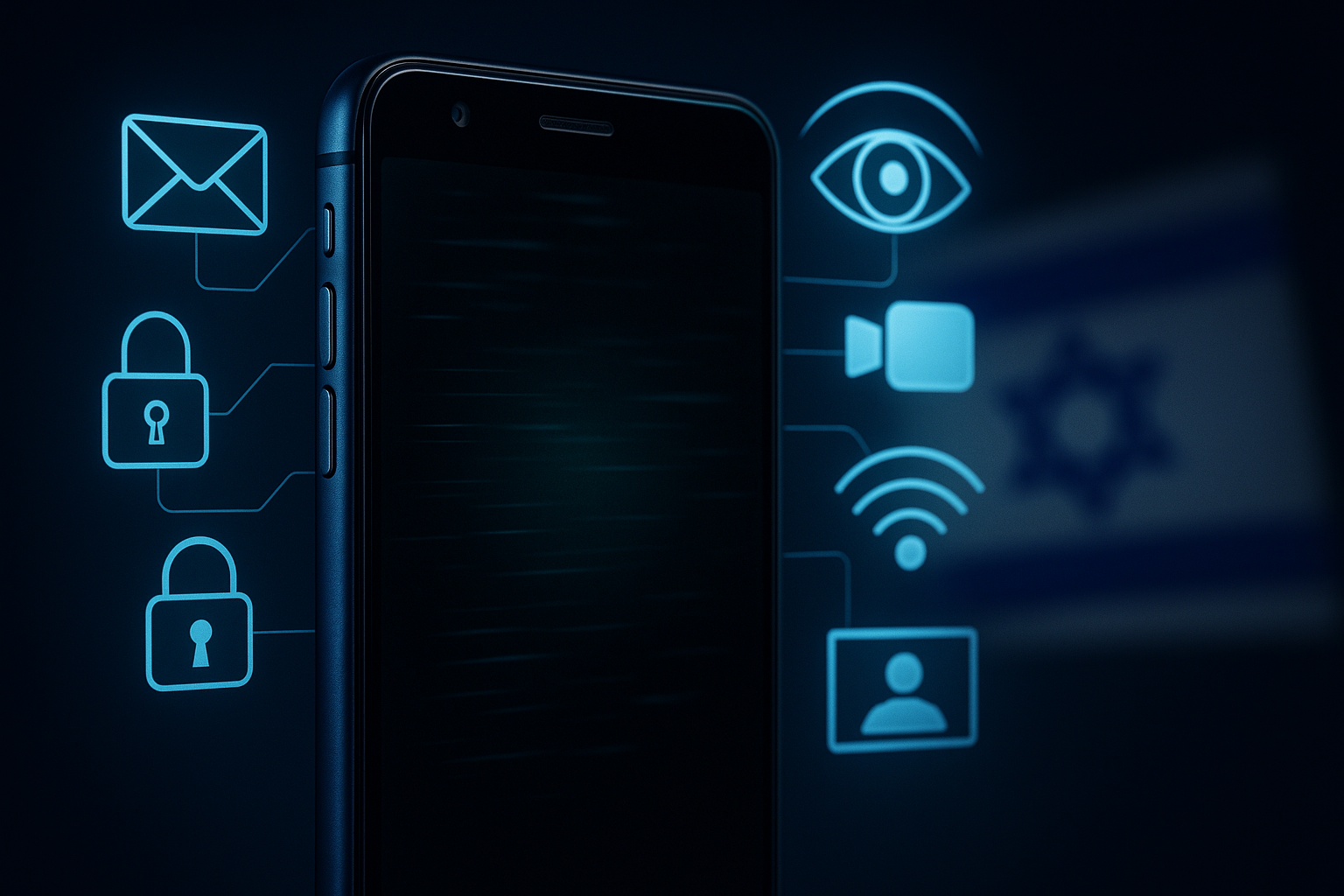

An Italian political consultant says his phone was infected with spyware developed by Israeli surveillance firm Paragon, a revelation that raises new concerns about the growing use of military-grade hacking tools against civilians and political figures in Europe.

According to cybersecurity researchers who examined the device, the intrusion occurred earlier this year through Paragon’s “Graphite” spyware, a sophisticated tool capable of remotely accessing messages, camera feeds, and microphones on both iOS and Android devices.
The consultant, whose identity has not been publicly disclosed for security reasons, was working with multiple European political organizations when he noticed unusual device behavior and contacted independent analysts.
How the Spyware Works
Paragon’s Graphite spyware has been described by experts as one of the most advanced surveillance tools in circulation - on par with NSO Group’s Pegasus, which was at the center of a global scandal involving government surveillance of journalists and activists.
Graphite reportedly exploits zero-click vulnerabilities, meaning it can infect phones without the victim clicking or opening any link. Once installed, it allows full access to personal communications, location history, and app data, while maintaining stealth operations that evade detection.
Security analysts believe the attack was state-sponsored, though investigators have not identified which government may have ordered the surveillance.
Political Implications in Europe
The alleged targeting comes amid growing alarm within the European Union over the use of commercial spyware in domestic and cross-border surveillance. EU lawmakers have called for stricter regulations and a potential ban on spyware exports linked to human rights violations.
Last year, the European Parliament launched an inquiry into illegal surveillance operations in several member states. The investigation highlighted how companies like NSO Group, Intellexa, and Paragon