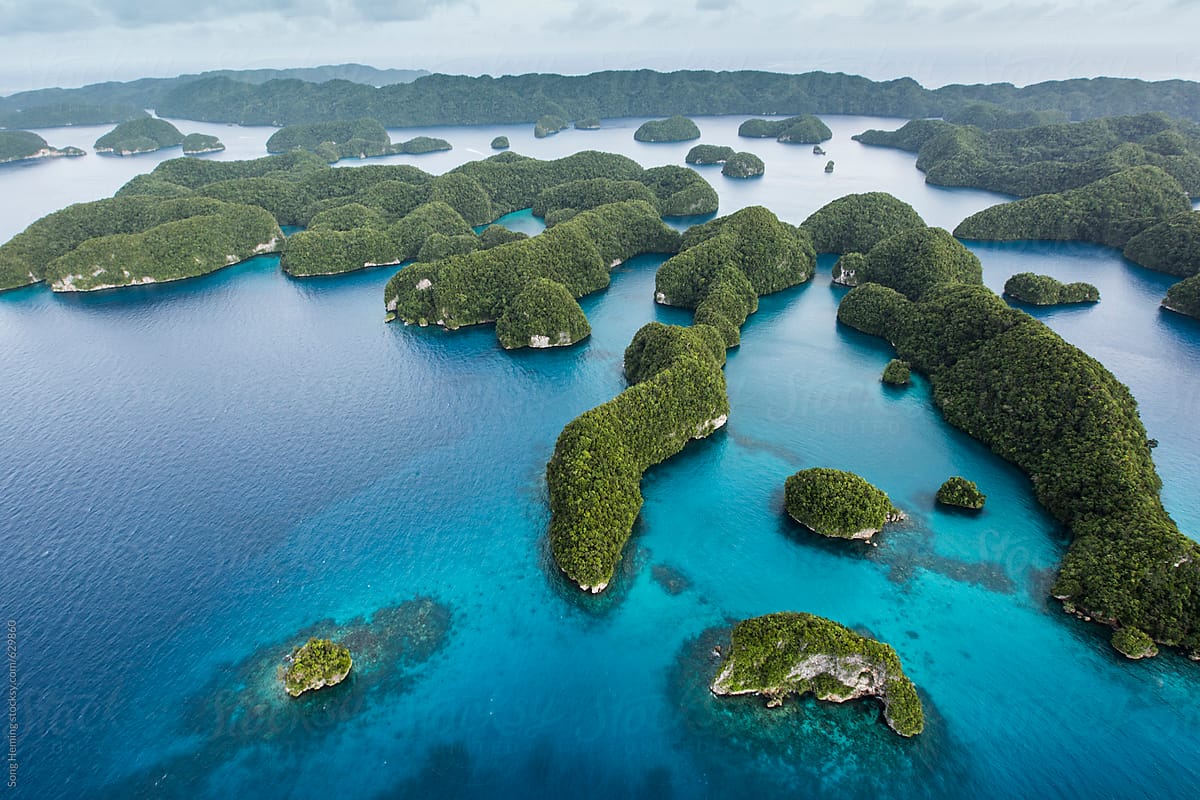

Palau, a nation of fewer than 20,000 people scattered across pristine Pacific islands, has found itself at the intersection of intensifying U.S.–China tensions. Its diplomatic loyalty to Taiwan, one of the few remaining states to formally recognise Taipei, has long made it a target of Beijing’s pressure campaign. But in recent months, the stakes have risen sharply, driven by land-ownership disputes, proposed U.S. military radar installations and China’s expanding influence across the Pacific.
Officials in Palau say Beijing has quietly pursued strategic land acquisitions through private Chinese investors, raising concerns about potential dual-use activity. Some parcels in question sit near key infrastructure and coastal access points. At the same time, the U.S. is moving ahead with plans to build a powerful over-the-horizon radar system in Palau, part of Washington’s wider Indo-Pacific deterrence strategy against Chinese military expansion.
For Palauans, that radar is a symbolic and practical test of their long-standing defence compact with the U.S., which grants Washington military access in exchange for security guarantees. But it has also fuelled unease over environmental impact