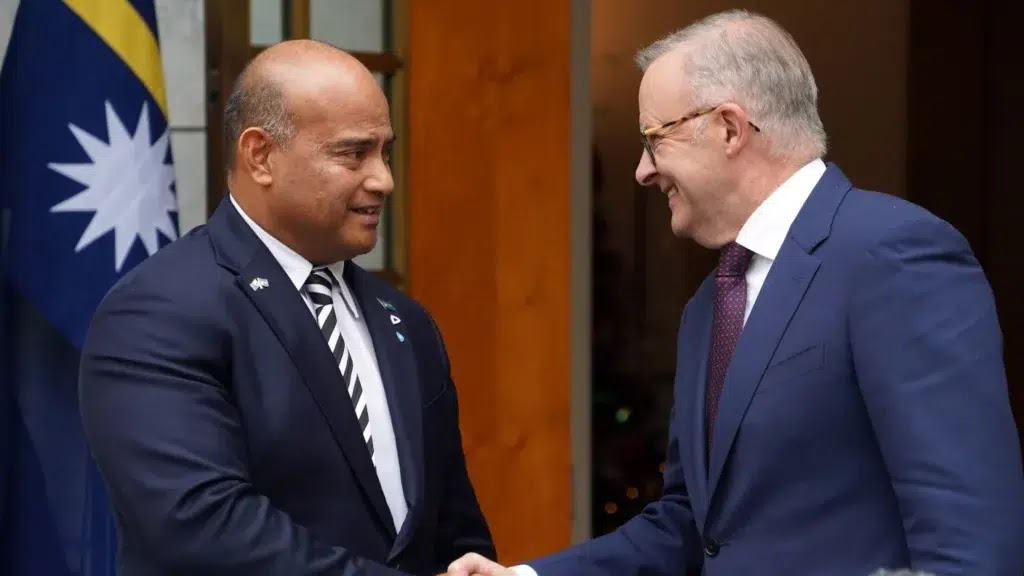

Australia’s longstanding reliance on secrecy around offshore operations is once again under the spotlight after officials confirmed that a translation of remarks made by Nauru’s president will remain suppressed for a full decade. The decision, which blocks access to a document central to understanding Australia’s offshore processing arrangements, reinforces a pattern that has shaped Canberra’s border policies for more than a decade.

The withheld translation is part of the Albanese government’s memorandum of understanding with Nauru, the Pacific island nation that hosts Australia’s offshore asylum processing system. Although the contents of the remarks remain unknown, their classification continues a familiar trend seen under previous administrations. From Scott Morrison’s refusal to discuss “on-water matters” to extensive redactions across departmental briefings, successive governments have treated legitimate scrutiny of offshore operations as something to be resisted, not encouraged.
The secrecy has drawn consistent criticism from rights groups, legal advocates and former officials who say it undermines democratic oversight. Offshore processing has long operated behind layers of confidentiality, leaving journalists, lawyers and even lawmakers unable to assess conditions, contracts and decision-making processes that directly affect refugees and asylum seekers.
Critics argue that keeping the translation hidden for 10 years follows the same pattern: information central to public debate is locked away behind bureaucratic barriers. Transparency campaigners say the public cannot meaningfully evaluate Australia’s offshore partnerships if core documents remain inaccessible until long after policies have changed, facilities have closed and political accountability has faded.
Supporters of strict confidentiality say these measures protect diplomatic relationships and operational security. They argue that offshore agreements rely on trust between governments and that revealing sensitive exchanges could jeopardise cooperation. However, transparency advocates counter that blanket secrecy goes far beyond what is needed to safeguard security interests, instead shielding policy failures and human costs from public view.