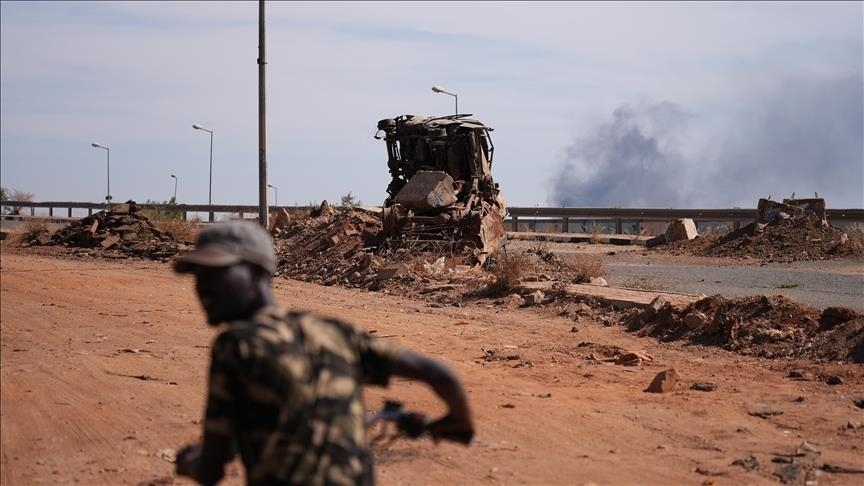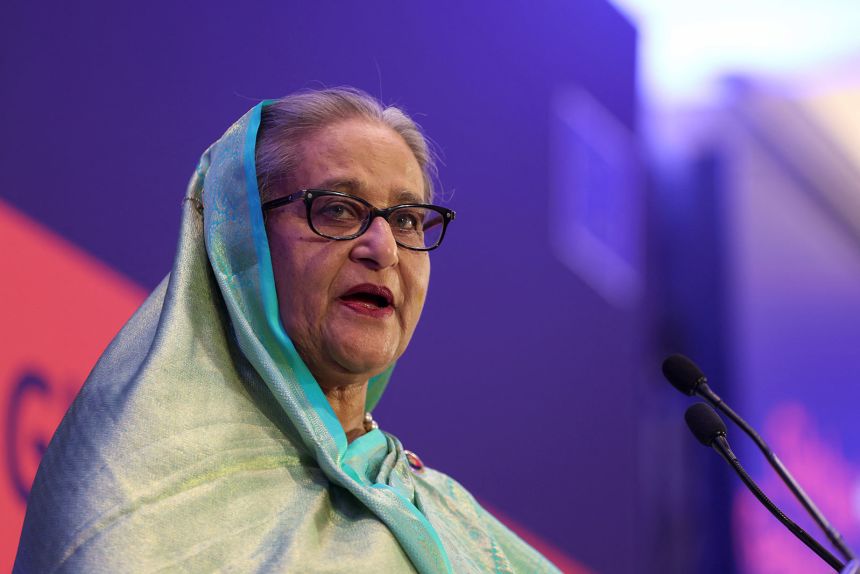

A historic and deeply contentious moment has unfolded in Bangladesh after a special court sentenced former Prime Minister Sheikh Hasina to death, a ruling that has triggered international alarm, domestic tension and widespread questions about judicial fairness and political motivation. According to Al Jazeera, the International Crimes Tribunal in Dhaka delivered the verdict in connection with Hasina’s role in a violent crackdown on anti government protests. Additional reporting from Associated Press and global media confirms extensive reactions from rights groups, diplomats and political analysts who warn that the decision could plunge the country into prolonged instability.

Sheikh Hasina, who led Bangladesh for more than fifteen years across multiple terms, was convicted in absentia. Since leaving office during a period of intense political turmoil, she has remained outside Bangladesh. The tribunal accused her of authorising excessive force by security agencies during mass protests, some of which turned deadly. Prosecutors argued that state actions under her watch amounted to crimes against humanity. Hasina and her supporters insist the charges are politically motivated, designed to eliminate her influence and reshape the political landscape ahead of future elections.
To understand the scale of global concern, it is important to situate this ruling within Bangladesh’s complex political climate. Hasina was one of South Asia’s most powerful political figures, and her tenure shaped economic growth, infrastructure development, counter terrorism policy and foreign relations