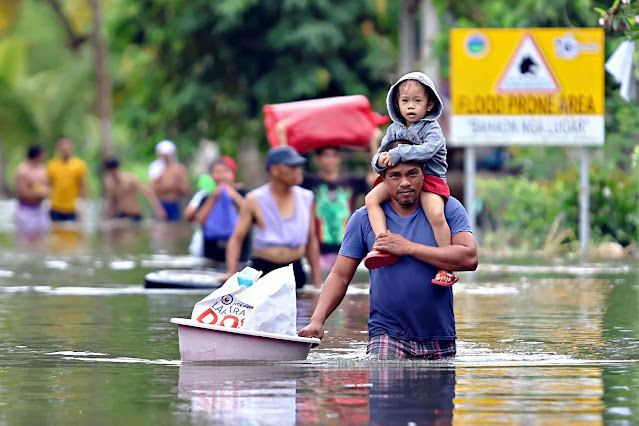

Almost one million people have been evacuated across the Philippines as Super Typhoon Fung-wong barrels toward the country’s eastern seaboard, bringing winds exceeding 250 km/h (155 mph) and waves as high as 12 metres.

The typhoon, which intensified rapidly over the Pacific Ocean, is expected to make landfall near Catanduanes and Albay provinces late Sunday evening, according to the Philippine Atmospheric, Geophysical and Astronomical Services Administration (PAGASA).
“This storm is extremely dangerous,” said PAGASA Director Nathaniel Servando. “We urge residents in coastal and low-lying areas to evacuate immediately. Do not wait for the winds to arrive.”
Mass Evacuations Underway
Government officials say the evacuations, among the largest since Typhoon Haiyan in 2013, were carried out across seven regions, including the Bicol Peninsula, Eastern Visayas, and Northern Mindanao.
Schools and offices have been closed, flights cancelled, and electricity grids placed on high alert. The Armed Forces of the Philippines and the Philippine Red Cross have mobilised emergency teams and supplies to evacuation centres.
President Ferdinand Marcos Jr. called an emergency cabinet meeting Sunday morning, saying that the government’s priority is “zero casualties.”
“We’ve learned from Haiyan,” Marcos said. “Preparation and discipline save lives. The order is simple: evacuate early, and don’t take chances.”
Storm Path and Global Tracking
Meteorologists say Fung-wong’s eye is roughly 180 kilometres east of Catanduanes