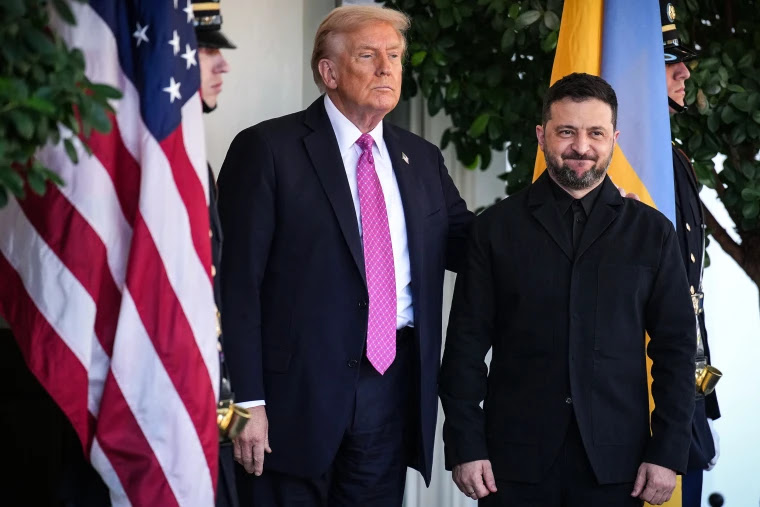

U.S. president Donald Trump signaled on Saturday that Washington’s controversial proposal to end the war in Ukraine may not be the final version, a shift that comes as global officials arrive in Geneva for a diplomatic summit aimed at testing whether a negotiated settlement is even possible. The comments follow days of criticism from Ukrainian leaders who described the initial terms as deeply unfavorable and reminiscent of historical concessions that failed to secure lasting peace.
Trump told reporters at the White House that the plan was “not my final offer,” insisting that adjustments remained possible despite the administration’s formal submission of a detailed framework earlier in the week. The proposal, which includes territorial concessions to Russia, limits on Ukraine’s long-term security arrangements, and a phased rollback of U.S. military support, has drawn sharp responses both in Kyiv and across Europe.
Ukrainian president Volodymyr Zelenskyy said the plan forces Ukraine to choose between dignity and dependence, warning that the terms effectively reward Russia for its invasion while undermining Ukraine’s future security. Several European allies privately expressed similar concerns, according to diplomats familiar with the discussions, arguing that a poorly calibrated agreement could fracture support for Ukraine at a critical moment.
The Geneva summit opens under that shadow. Officials from the United States, the European Union, and several non-aligned states are expected to engage in a series of technical sessions focused on ceasefire logistics, border monitoring, and the status of occupied territories. Though Russia is not formally represented, Moscow has been briefed on several components of the U.S. plan, and Kremlin officials have signaled cautious interest in a negotiated pathway that could freeze the conflict on terms favorable to Russian positions.