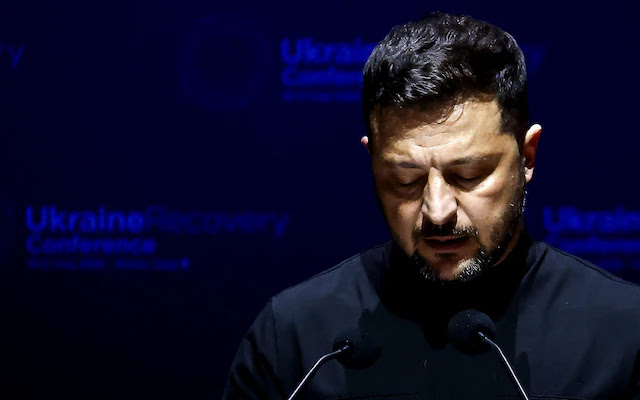

Ukraine’s President Volodymyr Zelenskyy is under renewed pressure to reform how he governs after a major corruption scandal involving senior officials triggered public anger and international concern. The issue has become a critical test of leadership at a moment when Ukraine relies heavily on national cohesion and foreign support while fighting Russia’s invasion.

The scandal has unsettled public confidence at home and redirected attention toward internal accountability. Zelenskyy, who won office in 2019 on an anti-corruption mandate, now faces heightened scrutiny from lawmakers, civil society groups and European partners who say meaningful reforms cannot wait until after the war.
Critics argue that power has become too centralized within a small inner circle of trusted allies, creating blind spots that allowed the scandal to develop. Ukrainian anti-corruption watchdogs have pressed for stronger oversight of government spending, greater transparency and more independence for investigative bodies. European partners, who remain essential to Ukraine’s wartime financing and long-term reconstruction, have also tied future support to visible improvements in governance.
Zelenskyy has dismissed implicated officials and ordered further investigations, but analysts say these steps address symptoms rather than structure. The broader expectation, both domestically and internationally, is that Ukraine must reinforce democratic checks even during conflict. Reform advocates stress that corruption scandals weaken morale, complicate diplomacy and provide opportunities for disinformation campaigns by Russia.
Public frustration is rising as economic hardship deepens and the war prolongs. Polling shows that Ukrainians remain committed to resisting Russia, but trust in institutions is vulnerable when accountability appears inconsistent. Observers warn that failing to act decisively could widen political fractures at a critical moment in Ukraine’s defensive effort.