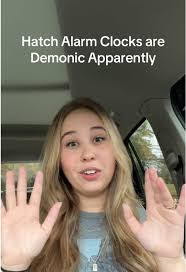

A sleep-wellness company launched a horror-styled ad for its sunrise alarm clock, and now Christian influencers are trashing the devices, calling them demonic. It’s not just about marketing gone odd - it’s a case study in how tech aimed at better health can stumble into cultural fault lines.

Sleep-tech brand Hatch released a Halloween-themed promotion for its adult sunrise alarm devices (models like the Restore 2/3) under its Hatch+ subscription service. The ad featured horror-style imagery, a red light “date-night” mode, and a pop-culture tie-in with the vampire franchise The Twilight Saga.
Some Christian social-media influencers interpreted the campaign - and the devices’ subtle “vampire alarm” mode - as occult imagery and “openly blasphemous”, resulting in videos of them discarding the devices and calling for others to do the same.
Hatch responded by clarifying that the adult-oriented “Twilight” programming was not used in their kids-targeted line, and launched a “RePossession Programme” to refurbish and redistribute devices people were returning in protest.
Analysis
Here’s what most commentary is missing:
-
Brand identity vs audience perception: Hatch positioned the ad to dramatize the “doomscrolling phone” culture and promote light-based sleep hygiene. Yet when the same imagery reached a religious audience sensitive to “dark” symbolism, it triggered a backlash that the brand likely didn’t anticipate.
Tech wellness meets cultural values: A sleep-aid is usually functional and benign - but once it carries aesthetic cues of horror, vampire films, red lighting, “date-night modes”, it enters a different semantic register. For users who live by a worldview where darkness and light have moral/spiritual weight, the product crosses a boundary.
Influencer activism & brand ripple-effects