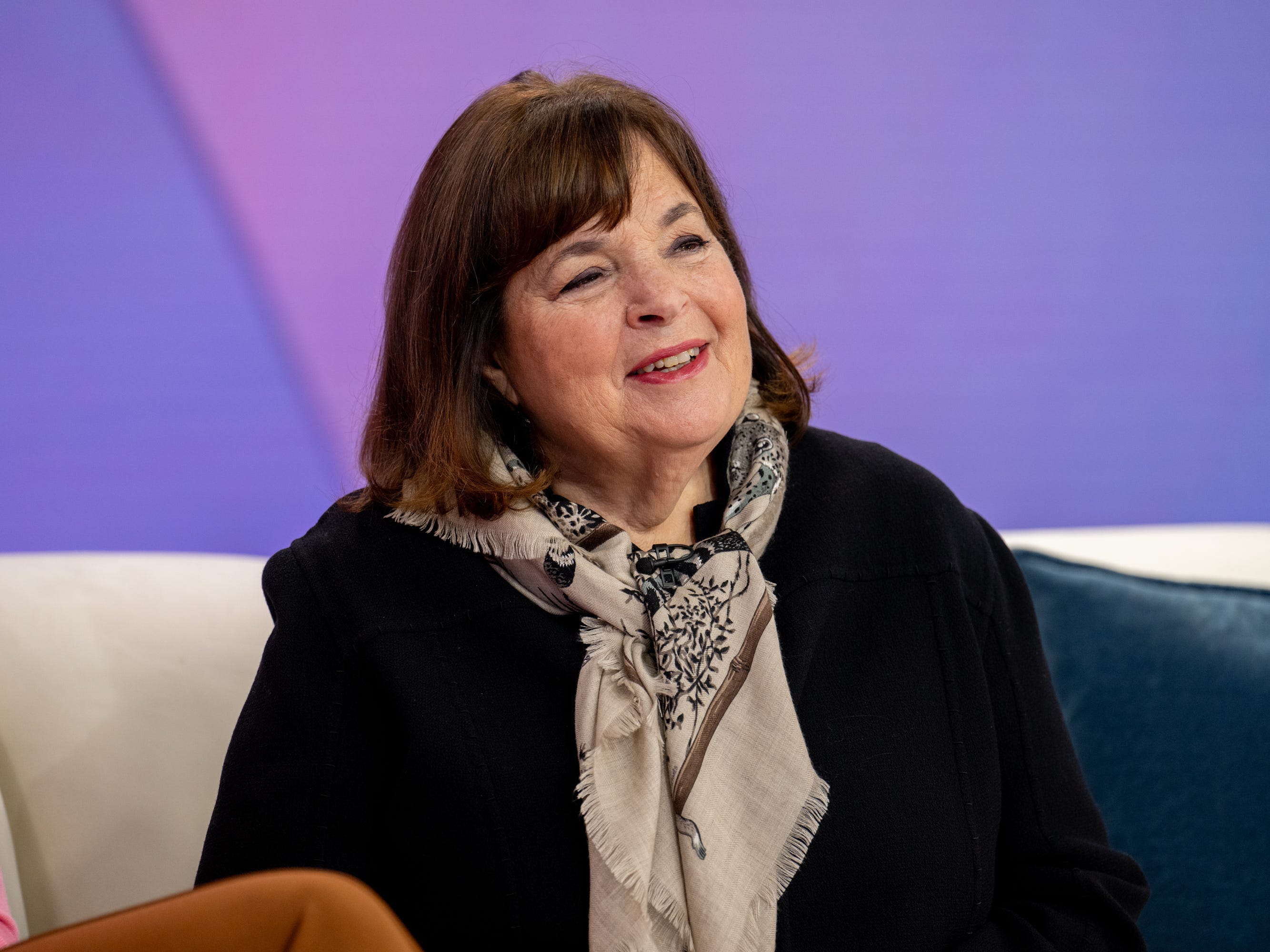

For nearly sixty years, the partnership between Ina Garten and her husband Jeffrey has been a cultural touchstone, admired as one of the most enduring celebrity marriages. The Food Network star, now 77, says the real secret is neither complicated nor glamorous. It is a principle so straightforward it almost feels radical in an era of fractured relationships and escalating conflicts about roles, careers, and expectations.

Speaking on the latest episode of Good Hang with Amy Poehler, Garten described the single practice that, in her words, has held their marriage together since the 1960s. “We keep it very simple,” she told Poehler. “Every decision we make has to work for both of us. Not one person wins, not one person compromises away their happiness. It has to work for the two of us, together.”
Garten and Jeffrey met as teenagers at Dartmouth College and married when she was just 20. Their marriage predates her global fame, his academic career, and the evolution of their public personas. Over the years, they have become one of America’s most recognizable long-term couples, maintaining a steady partnership away from the volatility of celebrity culture.
What makes their approach striking is how consistently they apply it, from major life choices to everyday routines. Career pivots, home decisions, travel plans, even something as small as choosing a movie are navigated through the same filter, she said. “It’s not about whose choice wins. It’s about figuring out how we both get to do what we want to do.”
Garten attributes the philosophy to Jeffrey. “He taught me this idea that the best decisions are the ones where both people’s needs are met. When someone is always losing, eventually the relationship loses too.”
That sense of mutual respect, she said, has shaped their marriage more deeply than traditional expectations ever could. In the early years, they slipped into conventional gender roles—assumptions that she would cook after work, take on domestic responsibilities, and fill the “wife” space as society defined it at the time. Garten said she quickly realized she did not want to live inside those roles.