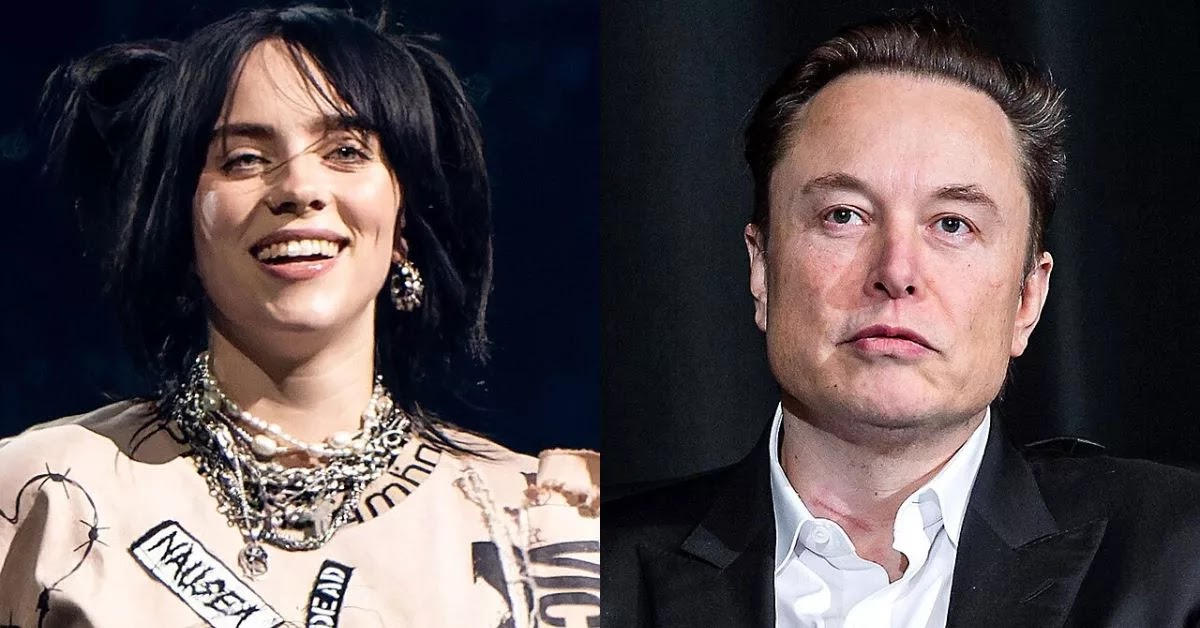

The public exchange between Elon Musk and Billie Eilish has ignited a global debate about wealth concentration, celebrity influence and the responsibility of public figures in an era defined by economic inequality. The confrontation began when Eilish urged Musk to redistribute a portion of his fortune, calling him a “coward” for what she described as extreme hoarding of resources. Musk responded by dismissing the criticism and questioning her intelligence, underscoring how personal disputes between influential figures can draw attention to broader societal tensions.

The catalyst for the dispute came during a Los Angeles event focused on youth empowerment and social issues. Eilish, known for weaving activism into her artistic identity, spoke about rising inequality and the role of billionaires in shaping global systems. Her comments singled out Musk by name, arguing that figures with vast wealth should be more accountable for how they use their economic power. She stated that withholding resources from communities that need them was both immoral and cowardly, prompting widespread discussion across social media.
Musk’s response, in which he labeled Eilish “not the sharpest tool in the shed.” He defended his record by pointing to investments in space exploration, clean energy and infrastructure, describing them as major contributions to humanity’s future. Musk argued that his financial resources are directed into ventures that aim to solve long term problems rather than personal luxury or political influence. The framing suggested that he views criticism from entertainers as misinformed and rooted in misunderstanding of the complexities behind large scale innovation.
Billie via her Instagram story‼️ pic.twitter.com/VkE8415gqZ