
With matches spread across North America, critics warn that soaring secondary-market costs are turning the tournament into one of the most financially exclusive editions in modern history.
Demand is especially intense for the opening match in Mexico City between Mexico and South Africa. On resale platforms, the highest-listed ticket has climbed to $5,324, up sharply from its original $895 face value - nearly a sixfold increase within months of release.
The financial barrier is even steeper for the final on July 19 at MetLife Stadium in East Rutherford, New Jersey. A three-seat package is currently listed at $143,750, roughly 41 times its original $3,450. price. Even the lowest available resale ticket for the championship match stands at $9,775, putting entry out of reach for many lifelong supporters.
On official channels, the numbers are equally jarring. On FIFA’s resale marketplace, a final ticket was listed this week for as much as $230,000. While FIFA does not directly set resale prices, it collects a reported 30% commission on secondary transactions, allowing the governing body to benefit from the inflated market
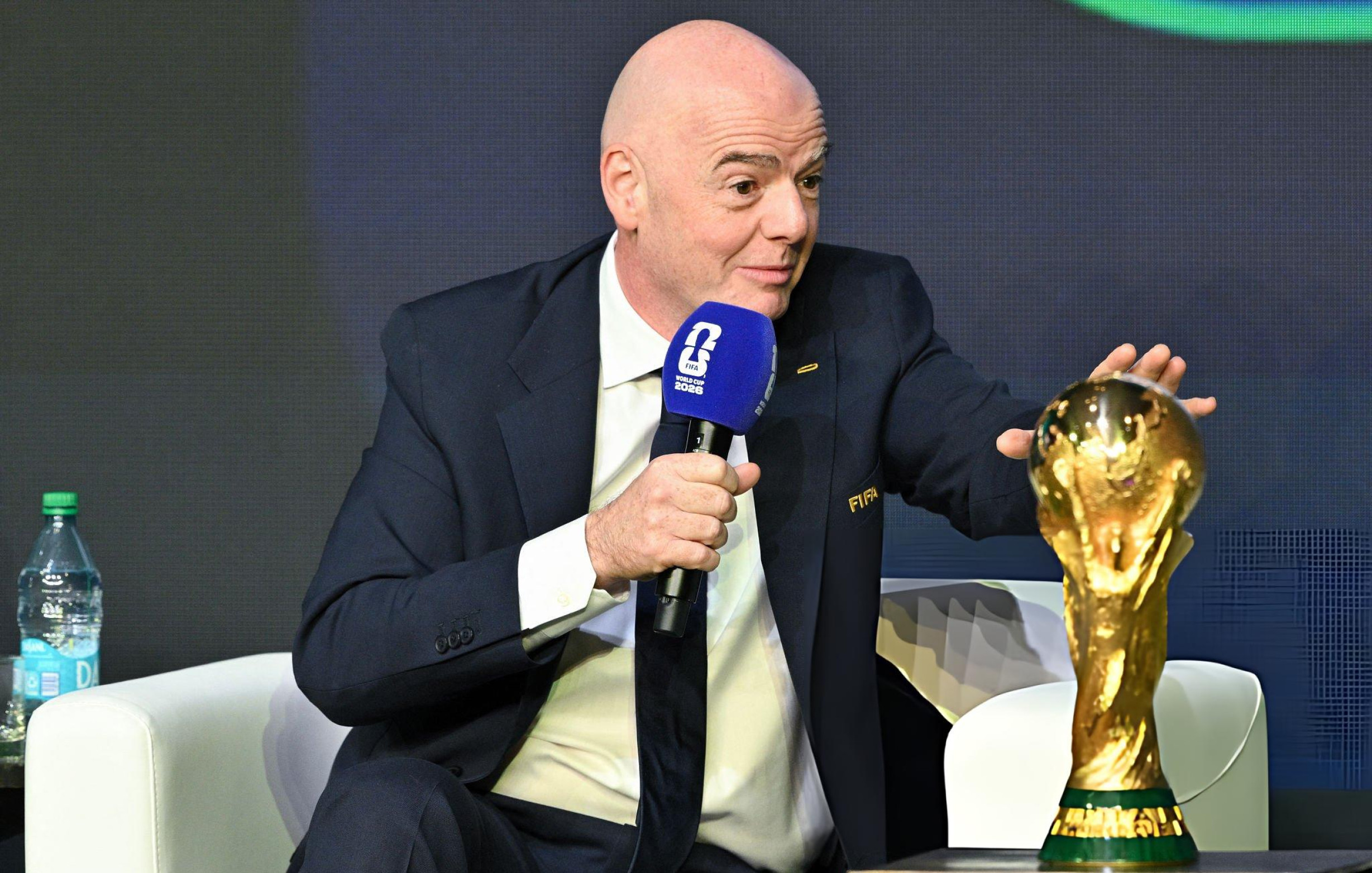
FIFA President Gianni Infantino addressed the overwhelming demand at the World Economic Forum in Davos, noting that ticket applications have shattered historical records.
“In almost 100 years of World Cup history, FIFA sold around 50 million tickets in total,” Infantino said. “Now, for this World Cup in four weeks on sale, we have the request for 1,000 years of World Cups at once. This is unique. It’s incredible.”
Regulatory disparities across host nations have further fueled price disparities. The resale market operates largely unregulated in the United States and Canada.
Mexico prohibits reselling tickets above face value if purchased locally in pesos, but cross-border transactions in US dollars create loopholes that international brokers exploit.
FIFA has defended its pricing model, stating that it reflects prevailing market practices for major global sporting and entertainment events. However, with the draw approaching and resale listings climbing by the day, analysts warn that prices may continue to rise - potentially leaving iconic World Cup stands thinner on grassroots supporters and louder with corporate hospitality.