
The fallout has already left more than 70 people dead, including 25 National Guard members, stranded foreign tourists, and raised fresh concerns in Washington over fentanyl flows and cartel fragmentation.
The killing removes one of the most powerful drug traffickers in the Western Hemisphere, but it also risks triggering a violent succession battle that could destabilize large swaths of Mexico and reshape narcotics routes into the United States.
The Raid That Changed the Balance
Mexican special forces tracked El Mencho to a hideout in Tapalpa, Jalisco, after surveillance operations targeting his romantic partner. The operation culminated in a February 22 firefight.
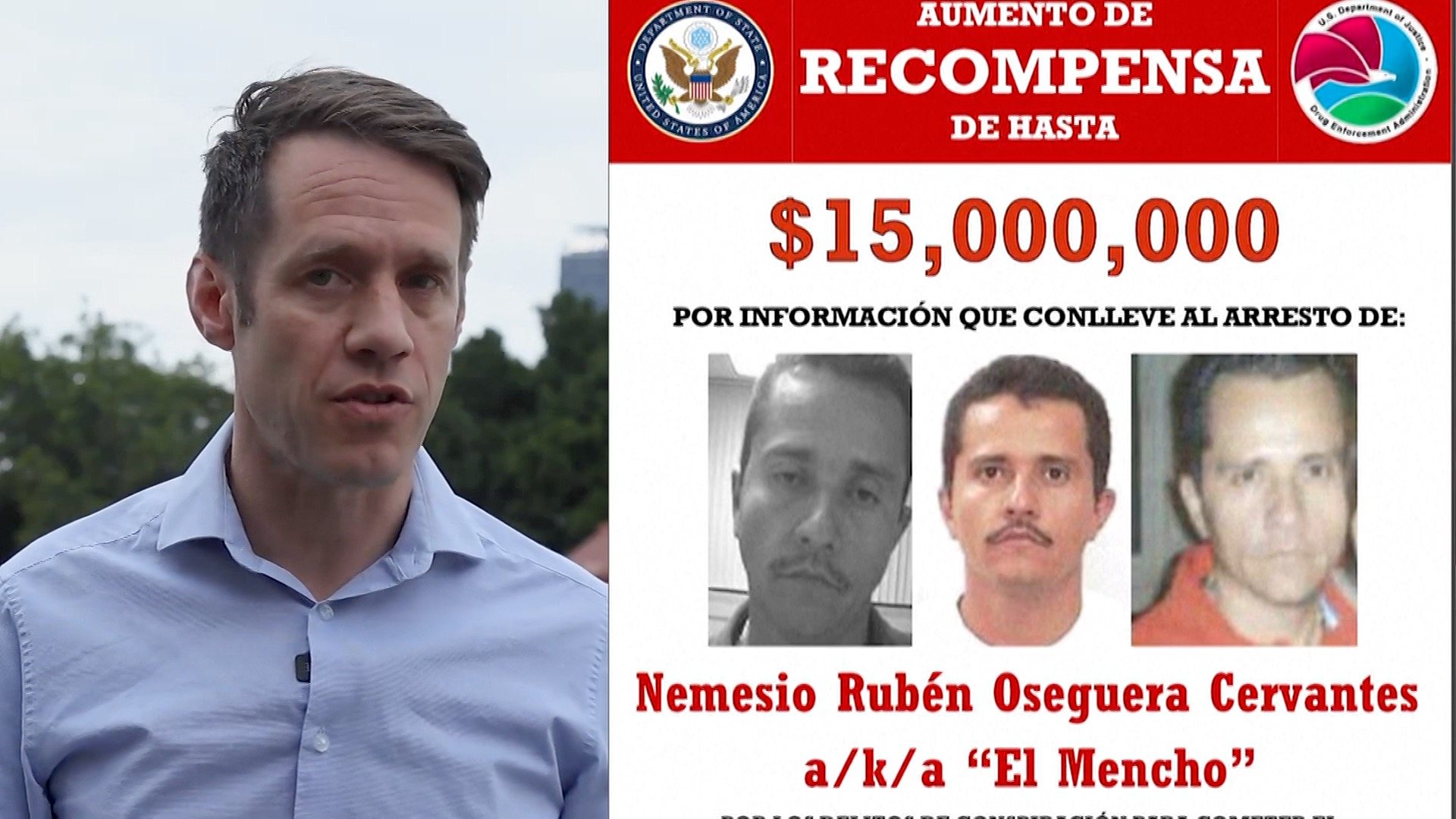
According to Mexican authorities, El Mencho was wounded during the clash and died while being transported to Mexico City. Eight gunmen were killed at the scene and three soldiers were injured. The United States had placed a $15 million bounty on him, and US intelligence reportedly supported the mission.
El Mencho led the Jalisco New Generation Cartel, known as CJNG, a paramilitary-style criminal organization that became one of the world’s most aggressive fentanyl trafficking networks.

Immediate Retaliation Across 20 States
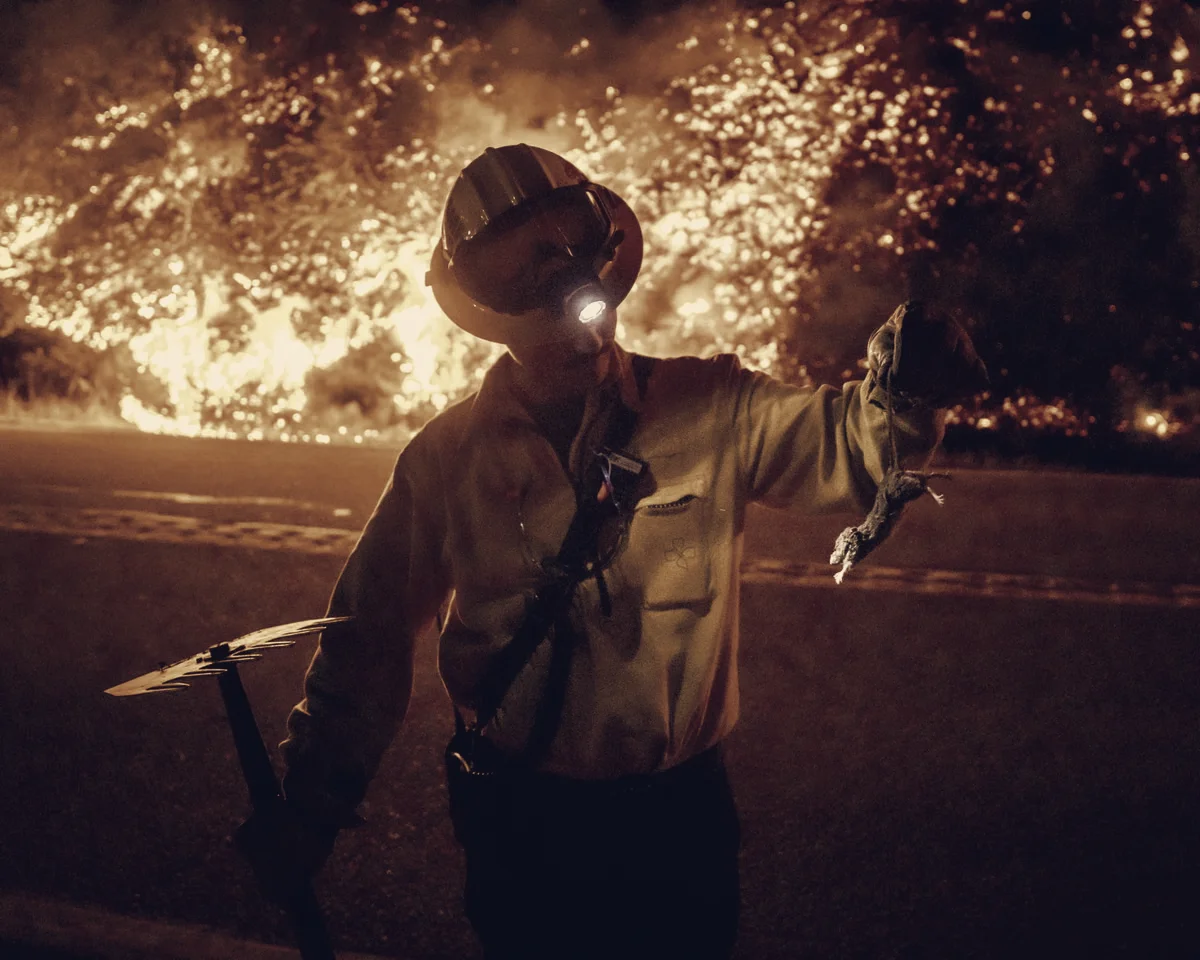
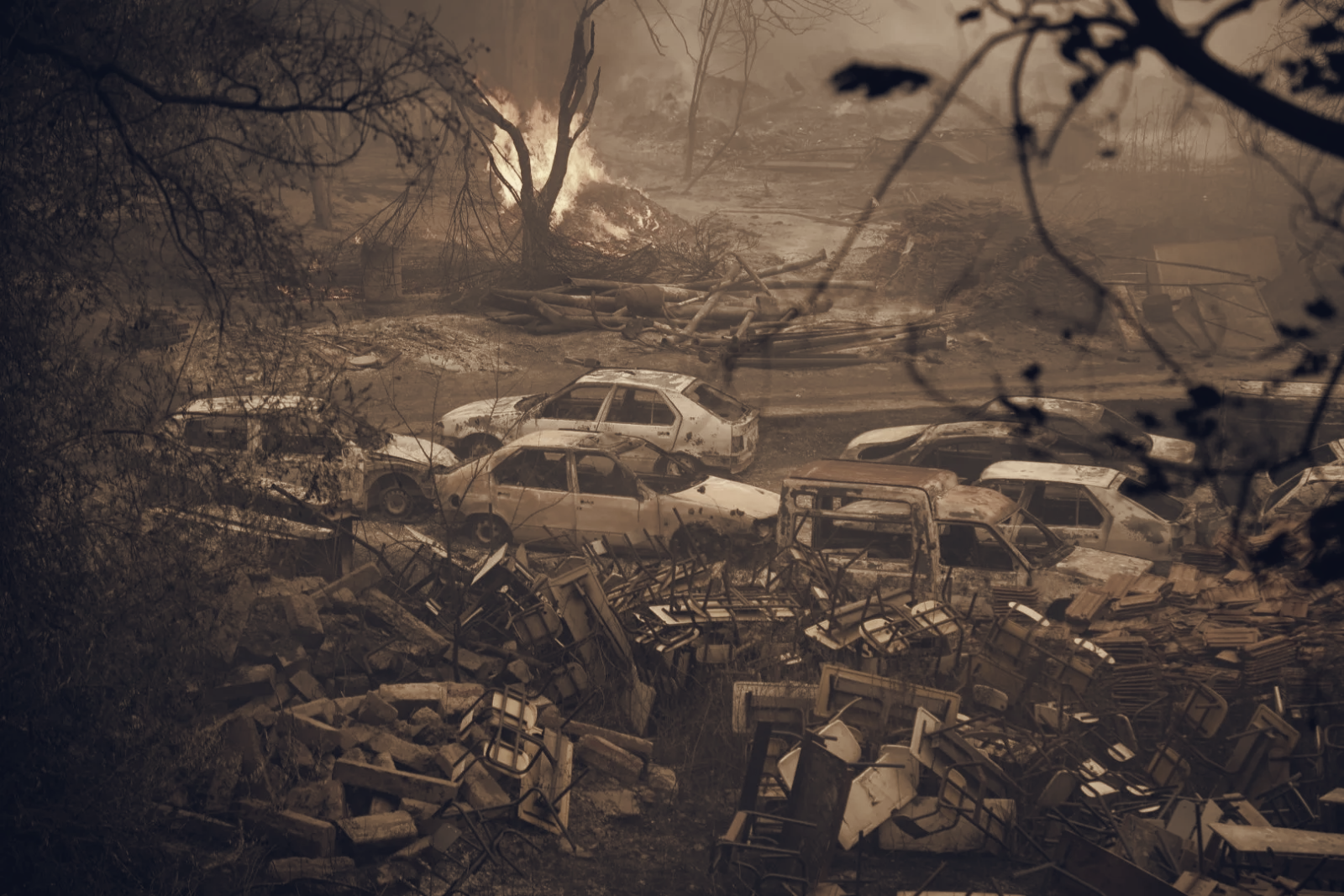
CJNG responded with coordinated violence across at least 20 Mexican states. Armed groups blocked highways, hijacked buses, torched vehicles, and attacked gas stations. Roads were spiked to prevent military movement.
Security Minister Omar García Harfuch confirmed that at least 25 National Guard members were killed in six separate ambushes in Jalisco. A state attorney official also died. Total fatalities have exceeded 70, according to preliminary government tallies.
The US State Department issued shelter-in-place advisories for Jalisco, Tamaulipas, Michoacán, Guerrero, and Nuevo León as American tourists reported being stranded amid roadblocks and suspended transport routes.
Political Stakes for Sheinbaum
President Claudia Sheinbaum described the operation as a decisive blow against organized crime, signaling a tougher posture early in her administration. The removal of Mexico’s most-wanted fugitive marks a symbolic and operational victory for federal forces.
Yet the risks are immediate. Without El Mencho’s centralized command, CJNG could fracture into rival factions. That fragmentation may intensify territorial disputes not only within Jalisco but also in key trafficking corridors bordering the United States.
Security analysts warn that a weakened hierarchy does not necessarily mean reduced violence. Instead, splinter groups often compete aggressively to secure revenue streams, including synthetic opioid routes that feed US demand.

What Happens Next
The death of El Mencho reshapes Mexico’s criminal landscape. Rival cartels, including Sinaloa factions, may attempt to seize CJNG-controlled territories. That struggle could prolong instability and further militarize conflict zones.
For the United States, the question is whether fentanyl production and trafficking slow under pressure or accelerate under fragmented control. For Mexico, the immediate challenge is restoring order in regions now paralyzed by retaliatory attacks.
A tactical victory has been secured. Whether it delivers strategic stability remains uncertain.