
Pakistan has declared what it called “open war” with Afghanistan after launching airstrikes in Kabul and three other provinces, marking a dramatic escalation in cross-border hostilities between the two neighbours.
According to Afghan authorities, Pakistani forces carried out overnight strikes in Kabul, Kandahar and Paktia. At least three explosions were reported in the Afghan capital, though casualty figures were not immediately confirmed.
Pakistan’s Defence Minister, Khawaja Muhammad Asif, said Islamabad had run out of “patience” following what it described as repeated cross-border militant attacks.
“Our patience has now run out. Now it is open war between us,” he wrote on X.
Operation ‘Righteous Fury’
The Pakistani military has named the offensive “Operation Ghazab lil-Haq” (“Righteous Fury”), targeting what it says are militant positions inside Afghanistan.
Taliban spokesperson Zabihullah Mujahid confirmed the strikes, including in Kandahar - the spiritual stronghold of the Taliban leadership, where supreme leader Haibatullah Akhundzada is based.
The escalation follows a cross-border attack earlier in the week that had already strained a fragile, Qatar-mediated ceasefire.
Islamabad has long accused Kabul of harbouring militants responsible for attacks inside Pakistan - allegations the Taliban government denies, insisting Pakistan’s security crisis is an internal matter.
Kabul Claims Drone Retaliation
Afghanistan’s defence ministry said it had “successfully conducted” drone strikes against military targets inside Pakistan.
However, Pakistan’s Information Minister Attaullah Tarar said attempted drone attacks were intercepted by anti-drone systems and caused no casualties.
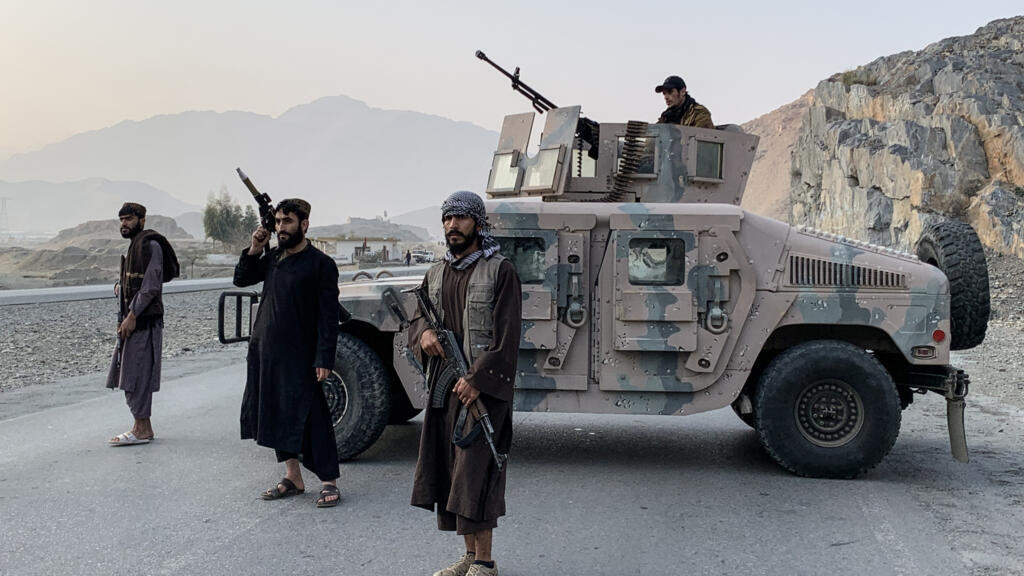
Clashes were also reported near the strategically vital Torkham border crossing, a key transit point between the two countries. Witnesses described incoming shelling, gunfire, and civilians fleeing from a nearby displacement camp after overnight fighting reportedly wounded women and children.
Regional Powers Urge Restraint
Russia and China both called for an immediate ceasefire.
Russia, according to state news agency RIA, urged both sides to halt cross-border attacks and resolve disputes through diplomatic channels.
China’s foreign ministry said it was “deeply concerned” and called on both countries to exercise restraint and avoid further bloodshed.
Iran also offered to facilitate dialogue, with Foreign Minister Abbas Araghchi stating Tehran stood ready to assist efforts to reduce tensions.
Meanwhile, Pakistan Prime Minister Shehbaz Sharif is reportedly planning a visit to Russia from March 3–5, according to Russian state media - a trip that could now take place against the backdrop of heightened regional instability.
A Dangerous Inflection Point
Relations between Islamabad and Kabul have deteriorated steadily since the Taliban returned to power in 2021, with recurring clashes along the disputed Durand Line border.
This latest escalation - involving airstrikes on Kabul and open declarations of war - marks one of the most serious confrontations between the two sides in years.
With both governments trading accusations and conducting cross-border operations, the risk of a broader regional spillover is rising, particularly as major powers signal concern but stop short of direct intervention.
The coming days will determine whether diplomatic pressure can contain the crisis - or whether the conflict deepens into sustained interstate warfare.