
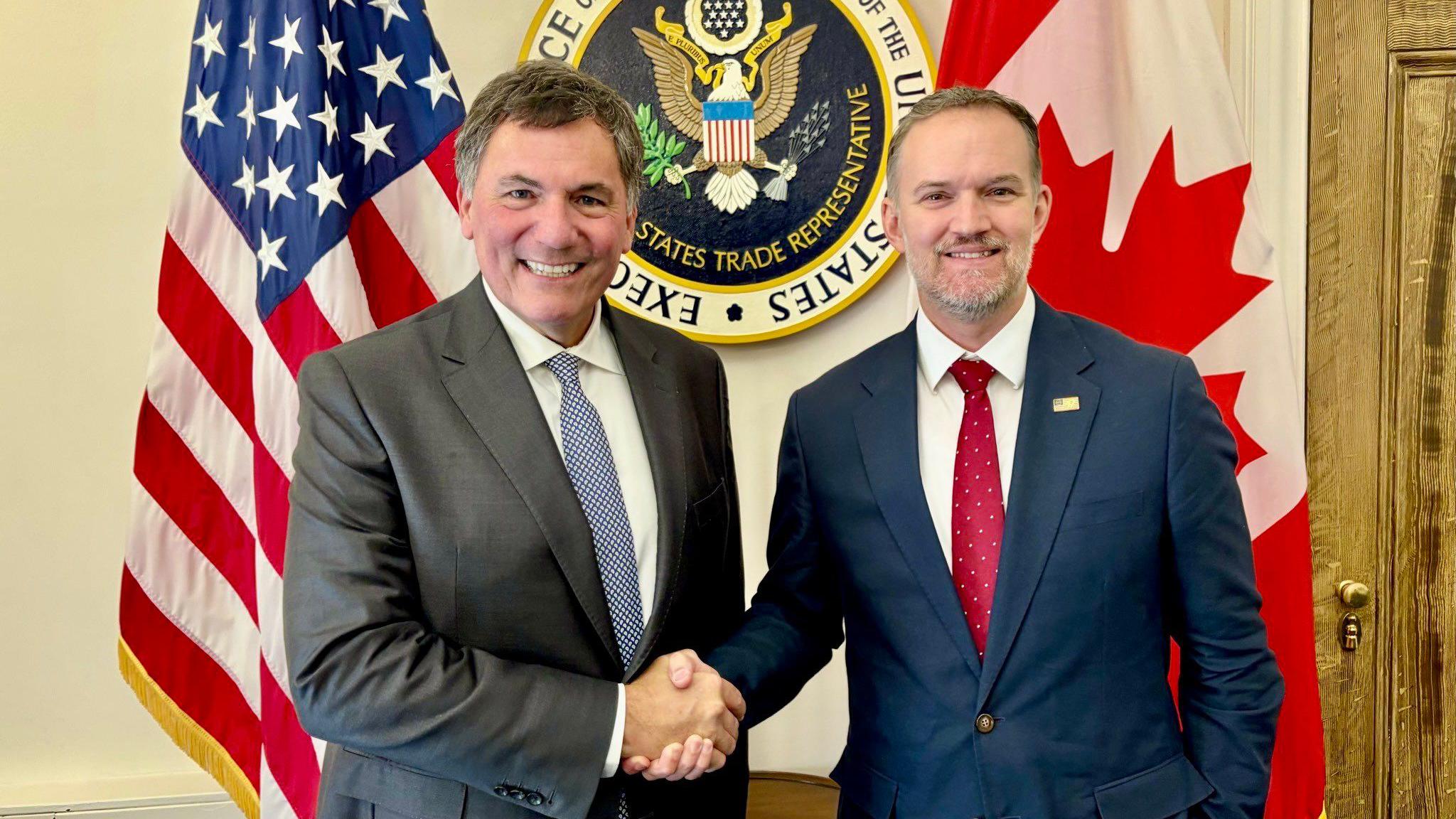
A pending agreement could halve US tariffs on Canadian steel and aluminium to 25% from 50% and cut the headline tariff on Canadian-made vehicles toward 15%, if negotiators finalise terms by Friday. Talks accelerated this week, with trade teams meeting for a third straight day after President Donald Trump paused a fresh round of tariffs he had threatened to impose overnight. Officials have not released a text, but multiple reports say the package may also touch vehicles and alcohol.
The White House and Ottawa framed the negotiations as broadly positive. US Trade Representative Jamieson Greer told reporters he was "very happy" with the outcome so far and that the deal removes "some of the irritants" the United States had with Canada. Greer added he felt confident the pact would protect American workers, jobs and supply chains, and said he would brief Congress and US stakeholders on details soon.
Prime Minister Mark Carney posted that negotiators had made "significant progress" and that talks were moving toward an agreement addressing "Canada's most important strategic sectors." President Trump said the proposal should be welcomed by US farmers and manufacturers and claimed Canada had agreed to eliminate tariffs on US farmers, though he did not specify which agricultural sectors would benefit. On whether the US would lower its own tariffs, Trump said by "a little bit".
Canada has been seeking the rollback or reduction of US measures on steel, aluminium, autos and lumber, while the US has pressed Ottawa to remove retaliatory duties on American autos and to alter dairy quotas to increase access for US producers. Ottawa's trade minister, Minister LeBlanc, said Canada's dairy supply management programme would remain "entirely intact".
Domestic politics complicate any deal. Most provinces banned US alcohol sales last year in retaliation to tariffs, and Carney briefed cabinet and provincial leaders on Wednesday. Nova Scotia Premier Tim Houston said the prime minister had asked provinces to return US alcohol to Canadian shelves, noting American concerns about the ban, and questioned whether consumers would resume purchases if imports returned.
Business groups pressed for a settlement. Dennis Darby, president of Canadian Manufacturers and Exporters and a member of Carney's advisory committee on Canada-US trade, said the committee was told negotiations were continuing and that they were "close," and he expressed guarded optimism. Companies on both sides have warned renewed tariffs would harm trade flows and supply chains. What happens next rests on negotiators turning draft terms into formal language and on Washington and Ottawa winning assent at home, with Greer set to brief Congress and a tentative completion window of Friday still in play.