
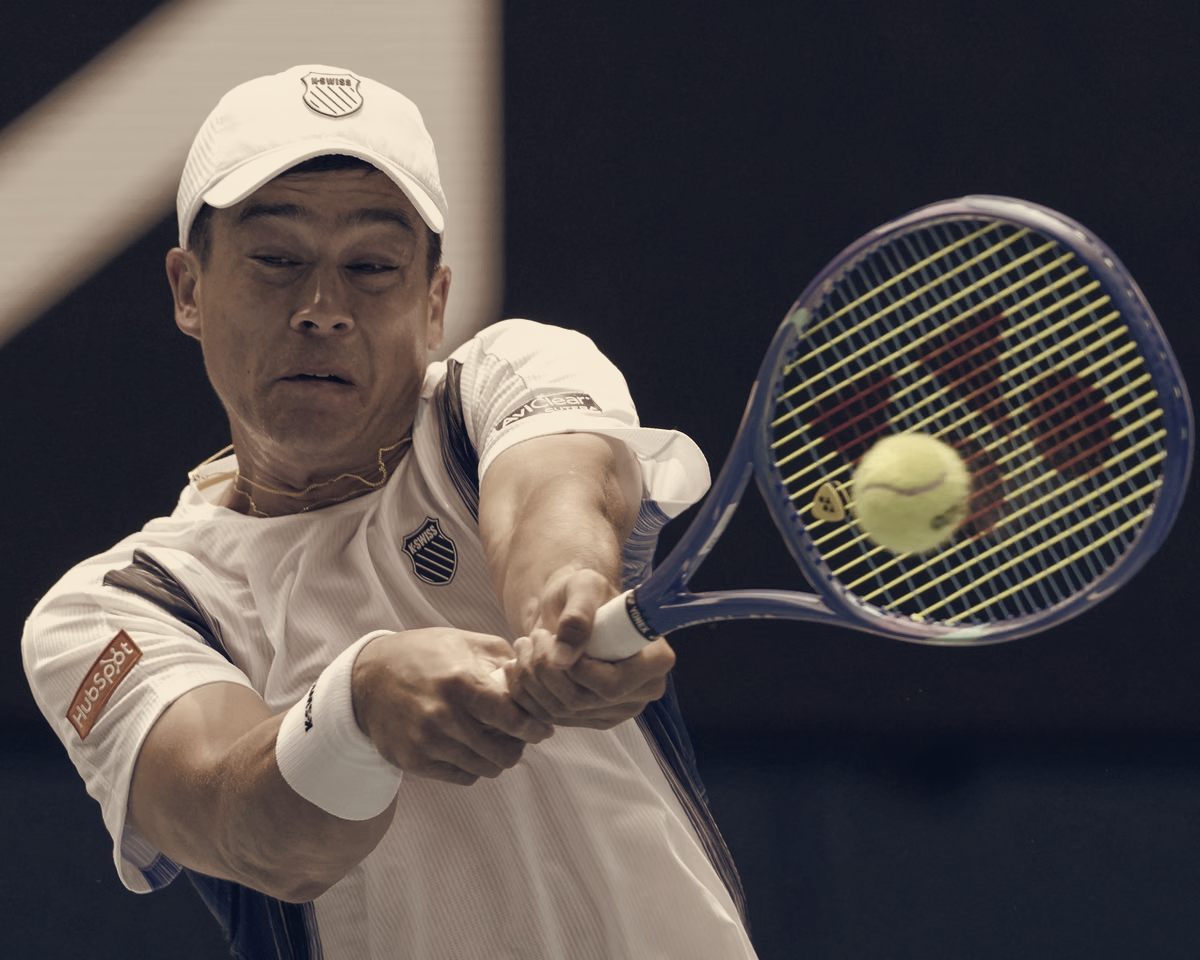

Lower-ranked players risk their livelihoods when they play through injury to secure prize money, Mackenzie McDonald says. After a decade on the ATP Tour the 31-year-old points to a sport whose biggest tournaments generate more than $2bn combined yet do not formally fund player welfare or pensions, leaving fragile careers reliant on sporadic payouts.
McDonald frames the grand slams as the engine that enables players to make a living and argues their current share of revenues, about 15%, is insufficient. Players and representatives are lobbying for the slams to raise prize distribution to 22% of revenues, a change he says could separate “putting food on the table and making a living.”
The immediate pressure is visible at the US Open, where first-round losers in singles will receive a record $140,000 (£103,000). McDonald warns many entrants will still take to the court while carrying serious injuries because the money matters to paying rent, supporting a team and covering travel. “I know a good handful of players right now that are seriously hurt,” he says. “But I know they’re going to show up to the US Open and get on court to make sure they can make some money because they’ve got bills to pay. They want to get an apartment and they want to pay their team – a coach, physio, trainer. The grand slams are the engine that enables them to make a living and they have to capitalise on that. It’s the difference between putting food on the table and making a living. That’s what’s at stake for some people.”
McDonald describes the tour's economics from experience. He has earned more than $7m in total prize money, but has still faced moments without income after a serious hamstring injury at the French Open in 2019, followed by a comeback derailed by the Covid-19 pandemic. He highlights uneven medical coverage, with comprehensive insurance limited to the top 150 players while the next 100 receive only a basic package from the ATP.
He also lays out the arithmetic many readers miss, noting travel, coaching and support-team costs are borne by players. “I’d say if you’re ranked 250 in the world right now you’re making about $200,000. I know for a fact that only 88 players last year made a million dollars. But that’s before taxes and all your costs, which are very significant,” he says. The result, he adds bluntly, is a career where missing time through injury can erase earnings and derail a ranking, narrowing future earning opportunities. “If you got off the hamster wheel you’re not making money. When you’re on the hamster wheel you’ve got to keep going. It’s pretty brutal.”
The USTA has taken a step by committing $2m to a new player support programme as part of this year’s $108m prize fund, a move that helped avert a repeat of the French Open media boycott by players. But the broader dispute remains alive: players want the other slams to match commitments and for a fixed revenue-share scheme to be implemented. “I hope in the future that the money-making engines of tennis would help to contribute to player welfare,” McDonald says. “It’s going in that direction, but how fast it happens is a different question.”