

Women in Cameroon face heightened risk, as a recent string of killings has intensified public pressure on authorities to protect women and girls. At least eight women were killed over the space of a week, and state figures show 50 women died between January and April this year, compared with 77 in the previous year.
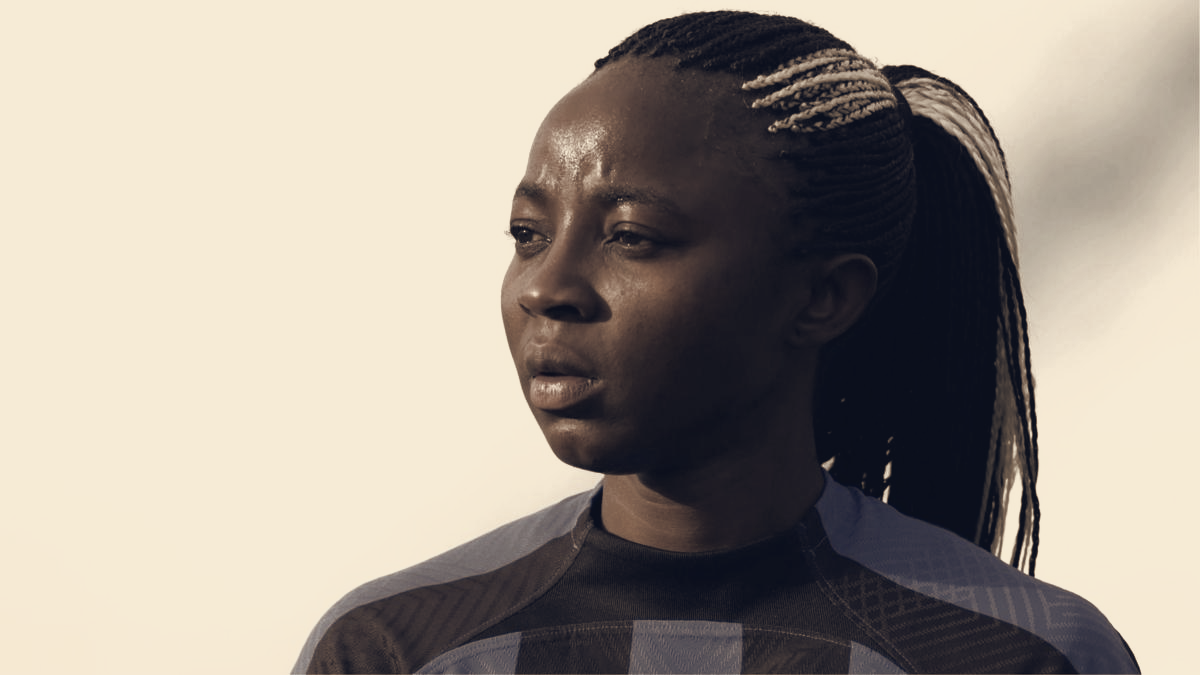
The killings drew condemnation from Nchout Njoya Ajara, a 33-year-old striker regarded as one of the country's leading female footballers. She said, "In the face of the tragic wave of femicides that has hit our country in recent days, silence is complicity," and added, "Being a woman in Cameroon should never be a risk." Ajara has played professionally in Russia, Sweden, Norway, Spain, Italy and Saudi Arabia, including spells with Atlético Madrid and Inter Milan.
The latest reported case took place in Yaoundé, where a 44-year-old woman was found stabbed to death in a hotel room. A 22-year-old suspect was arrested in connection with that killing. Most of the recent femicide reports are linked to domestic violence and have emerged from different regions of the country.
Government ministers have publicly expressed alarm. Marie-Thérèse Abena Ondoa, the minister for Women's Empowerment and the Family, described the rise in killings as "worrying" and said a bill to protect women against gender-based violence is under review by the prime minister. Opposition voices, including the Cameroon Renaissance Movement, said they are outraged by what they called a "tragic recurrence of domestic femicides" and accused the government of passivity.
Civil society groups say the response has been too slow and remain sceptical about the bill's prospects. Viviane Tathi, who documents femicide cases, warned the November parliamentary session, described as the last for the year, concentrates on budget debates, and said, "We are worried because the November parliamentary session focuses on budgetary debates…So, we don't know by what magic this bill will be passed." She urged creation of a special court to handle family disputes that often escalate into lethal violence.
International data underline the scale of the problem on the continent, with the latest UN figures indicating Africa recorded the highest total number and highest rate of femicide in 2024, an estimated 22,600 cases. For now, activists, opposition politicians and prominent public figures are converging on the same demand: the government must translate promises into a law and institutions that reduce the lethal risk women face.