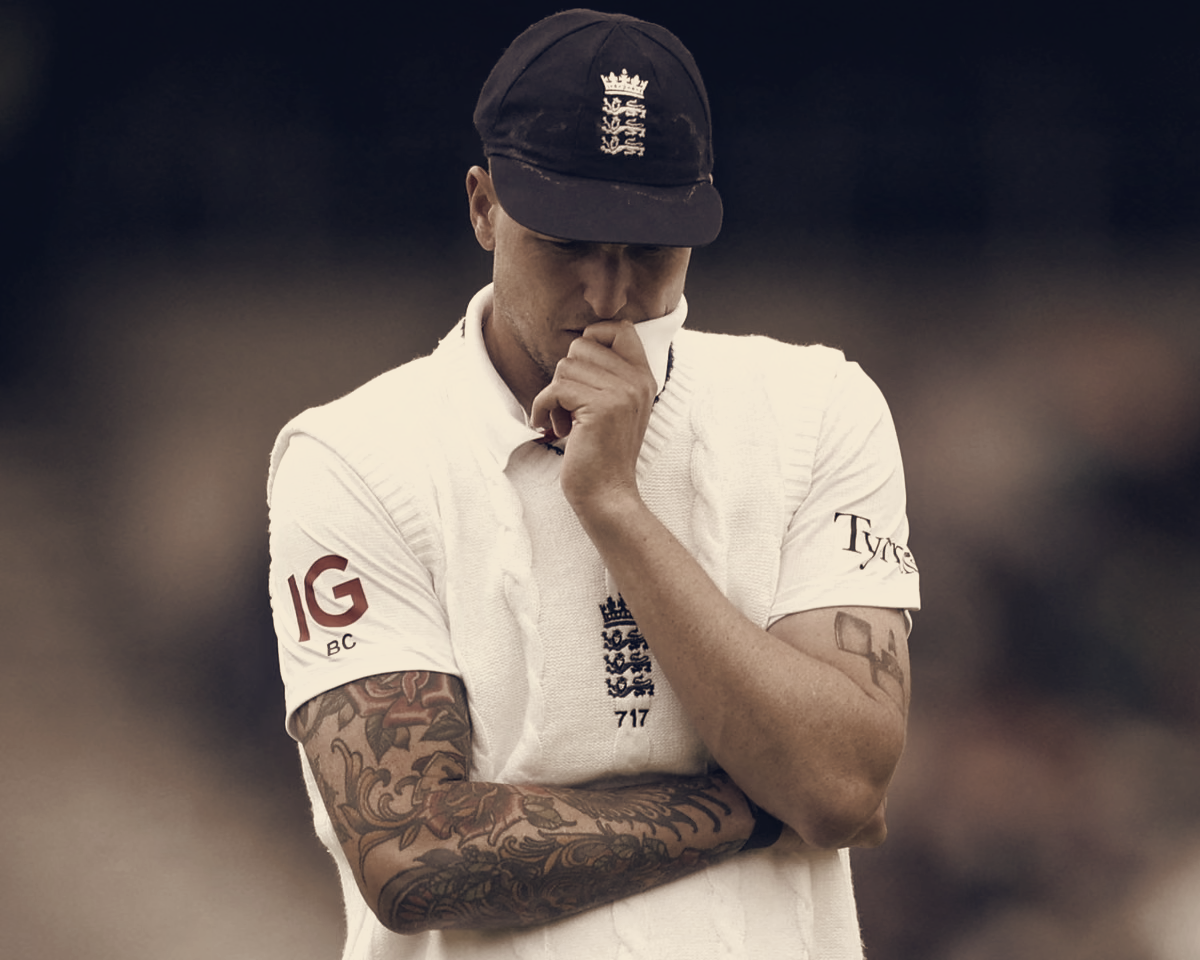

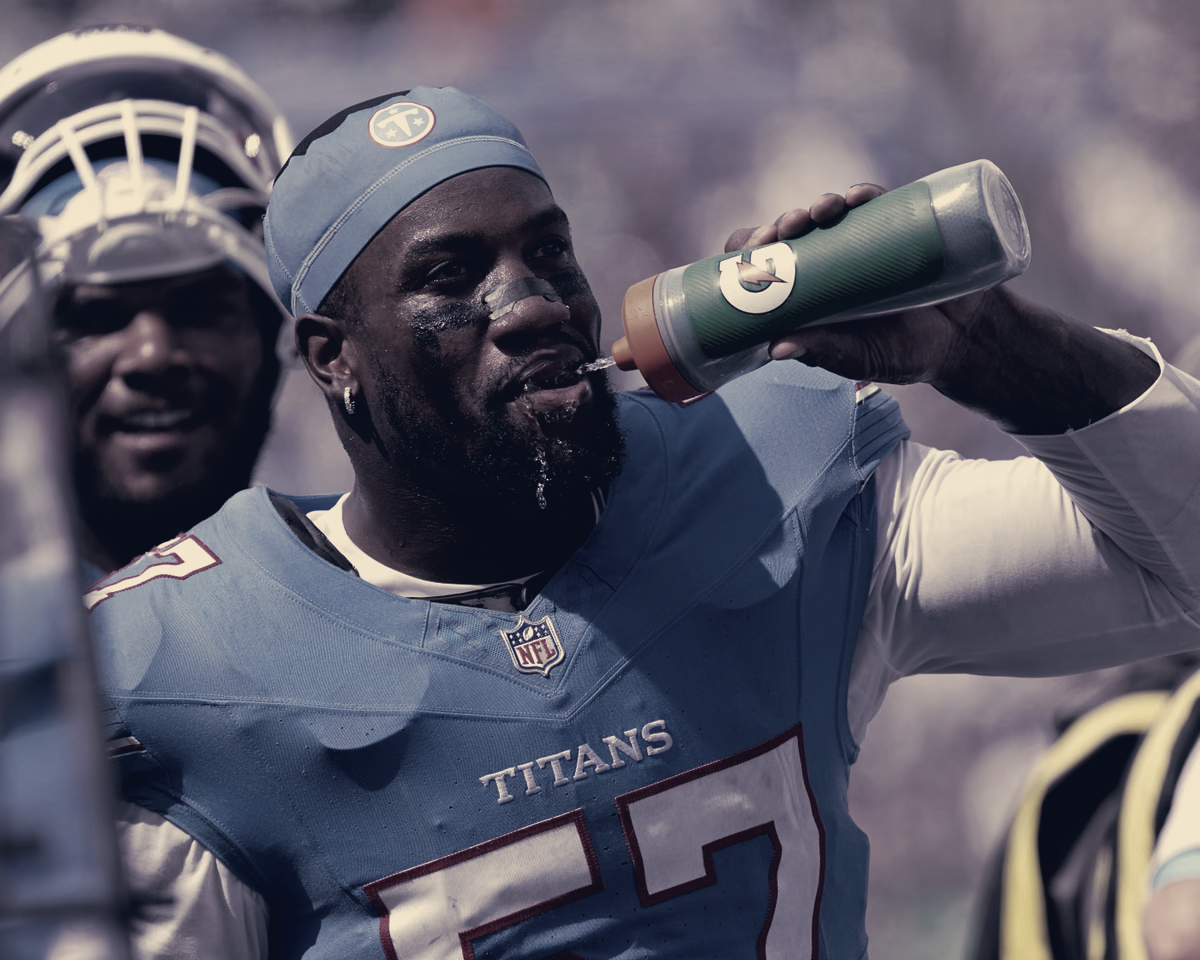
Players and staff faced immediate heat risk after the artificial turf at Nissan Stadium registered 157F (69.4C) during the Eagles-Titans game, prompting midgame equipment changes and medical attention on the sideline. The stadium air temperature at kickoff was 95F (35C), with a heat index of 105F (40.5C), but the Fox broadcast recorded the playing surface far hotter than the ambient conditions, and team personnel responded on-site.
Philadelphia coach Nick Sirianni said the conditions affected everyone, declaring, "It was hot as shit, everybody was as hot as shit." He added that he required medical attention during the game, saying, "I didn’t play a snap and I had to get an IV. I … appreciate how much the players fought through because it wasn’t easy." Broadcast footage showed staff pouring water on players' shoes to reduce temperature on contact points.
Eagles lineman Cam Jurgens said he changed cleats multiple times after damage and described the halftime response as organized, likening it to "a Nascar pit crew helping me get ready for the second half." Jurgens also said, "That turf was just radiating." Teammate Jordan Mailata singled out the surface as a safety concern and urged the players union to act, saying, "[The heat] just sits there and bounces up into you," and, "[The union] have got to bring it up. This is why we want all grass fields, to create a standard of play in the league where we’re not putting players in dangerous positions if we don’t have to."
The episode mirrored problems Tennessee experienced in its season opener, where Titans safety Amani Hooker reported a shoe midsole "melted completely off." Several players and staff questioned the decision to schedule an afternoon kickoff in a city prone to late-summer heat and humidity, linking timing and surface choice to the heightened risk on Sunday.
The events in Nashville come amid broader attention to heat-related illness in football and follow a 2024 case in which former Eagles safety Reed Blankenship left a game with a heat-related illness. The immediate outcome was increased sideline medical care and improvised cooling measures; the longer-term outcome will depend on how club and league medical staffs, the players union, and stadium operators interpret the incident.
What happens next could include formal reviews of surface temperatures, scheduling practices for afternoon games in hot climates, and renewed calls from players and safety advocates for grass fields or stricter artificial-turf standards. League and stadium officials have the option to treat this as an isolated weather event or as part of a pattern that requires policy change on field surfaces and kickoff timing.