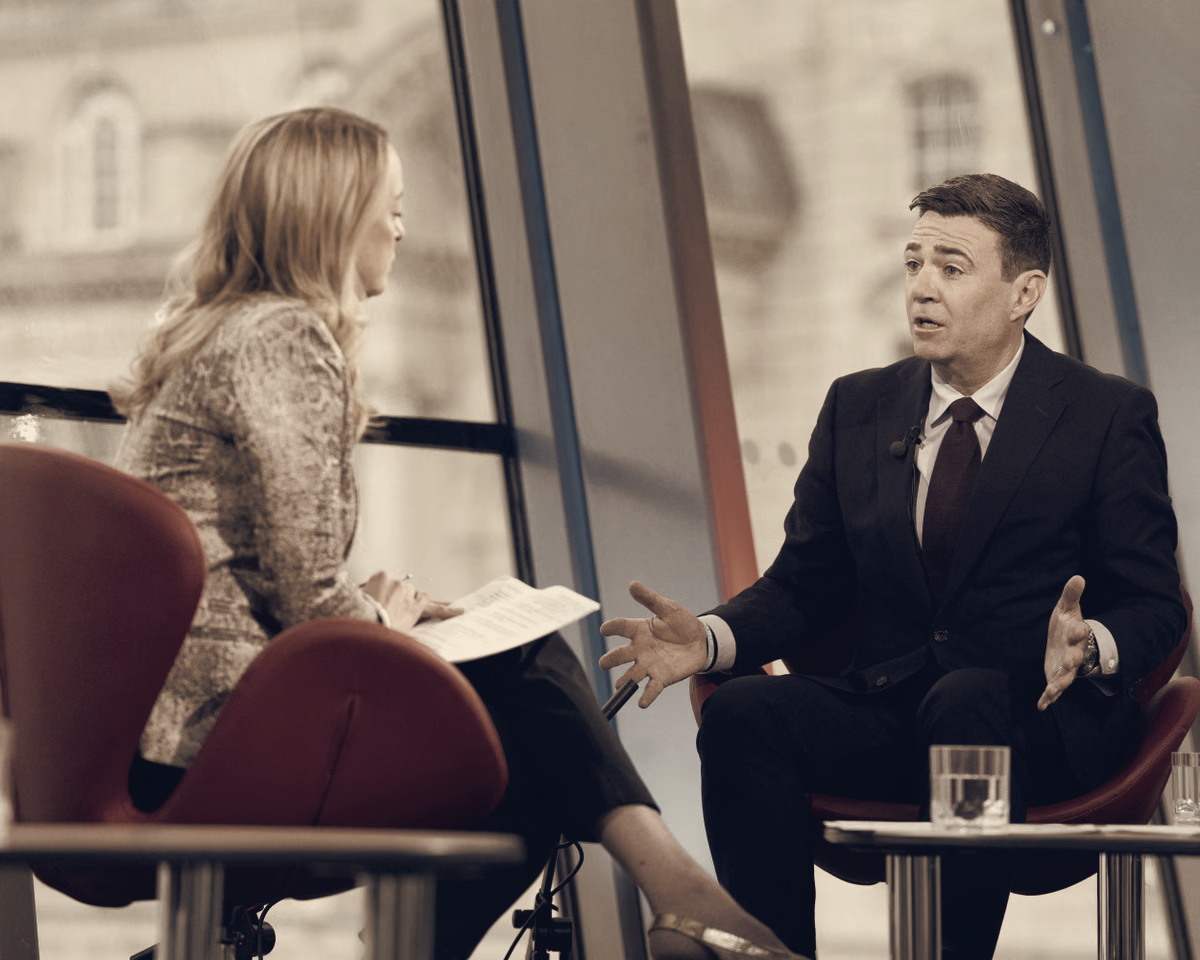
McFadden framed the push as a moral obligation, saying it is unacceptable that many young people become trapped on sickness and disability benefits rather than finding sustained employment. He used the phrase "moral crusade" to describe efforts to move more young people into work, and warned that both the financial and human costs of the current system were too high.
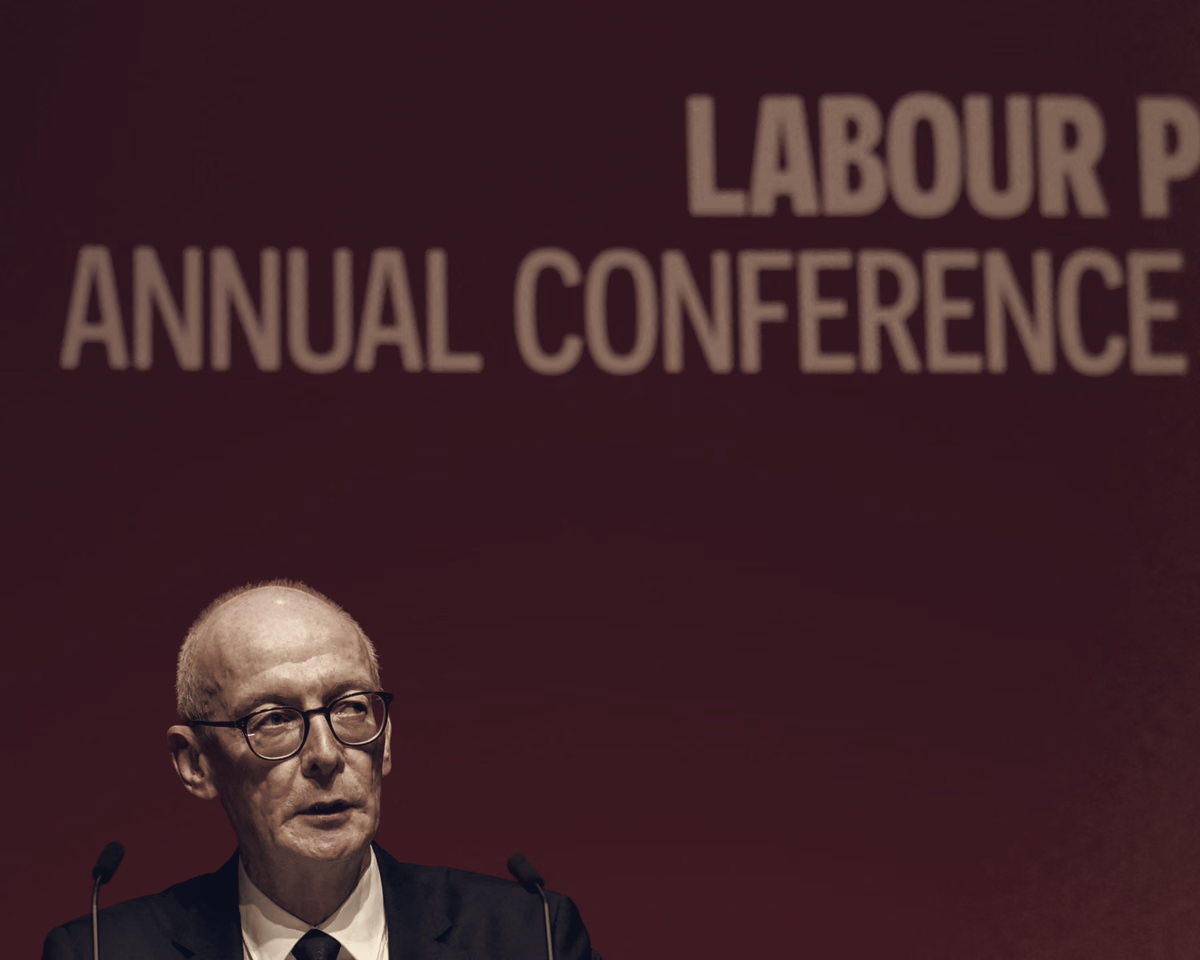
The cabinet minister’s speech came ahead of final reports from two panels: the Milburn review into support for young people, and the Timms panel on a key disability benefit. Officials expect the findings to feed into a redesigned assessment process for disability support that could require new legislation. Labour is also reviewing how to expand employment and training routes for younger claimants, building on a current jobs guarantee that funds six-month placements for under-25s, with fast-track access for disabled young people.
Ministers are weighing international models, with officials examining Dutch youth hubs and Denmark’s approach that limits access to its disability pension for people under 40 while offering flexible work and training support. Those comparisons come as a million young people in the UK stand outside work, education and training, and spending on working-age disability benefits is projected to rise from £14bn in 2019 to £34bn in 2030.
Political context underlines the sensitivity of changes. The government reversed a proposed £5bn-a-year package of disability cuts after a backbench revolt last year that highlighted the risk of pushing disabled people into poverty. Charities that support disabled people have warned they are nervous about further reform. Milburn’s interim report said people with lifelong complex needs must be protected, while it suggested those with less severe conditions could be supported back into work with reduced long-term benefit reliance. The Timms interim findings criticised the personal independence payment process as unfit for purpose and degrading to vulnerable claimants.
McFadden and ministers will now await the full reviews before setting detailed policy. The next phase is expected to include design work on new assessments and entitlements, and ministers must decide how much change Labour will pursue to rebalance support toward employment without removing protection for those unable to work.