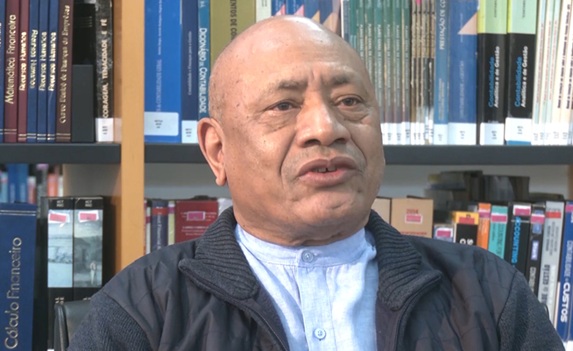

Trust among Mozambicans is at risk if the country’s "inclusive national dialogue" is treated as a political contest, Lourenço do Rosário warned in Maputo. The prominent Mozambican academic urged those involved to resist turning the talks into another arena for party or factional advantage, arguing that past deals failed largely for that reason.
Do Rosário framed his warning around a simple diagnosis, he said previous peace agreements collapsed because they became overly politicized, rather than concentrating on rebuilding confidence among citizens. He positioned trust, not tactical negotiation, as the missing element in prior arrangements, and flagged that repeating the same approach would reproduce earlier failures.
The statement places a clear criterion on the national dialogue, the academic suggested, one that prioritizes social confidence over political maneuvering. By attributing the breakdown of earlier accords to politicization, Do Rosário implies the success of any current or future talks will depend on their ability to reduce partisan calculation and increase mutual reassurance among Mozambicans.
His remarks serve as a warning to organisers, participants and observers: if the process becomes dominated by partisan interests, it risks undermining the very aims the dialogue is supposed to advance. The emphasis on fostering trust points to a different measure of effectiveness than most political negotiators use, focused less on immediate gains than on durable social foundations.
Do Rosário’s assessment draws attention back to why the form of the talks matters. If his diagnosis holds, repeating the same politicized patterns will likely produce the same fragile outcomes. That, he suggested, is the central danger the national dialogue must avoid.