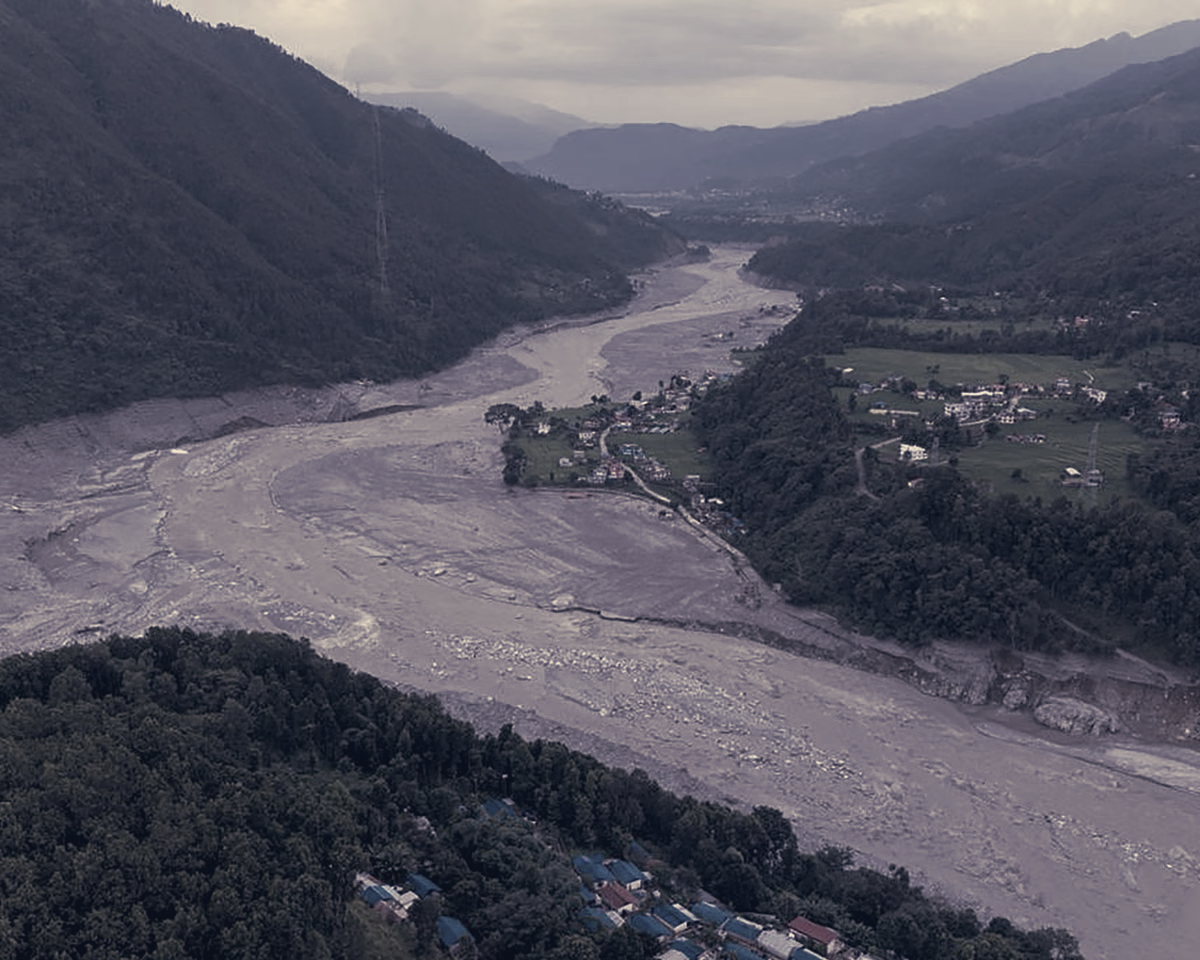
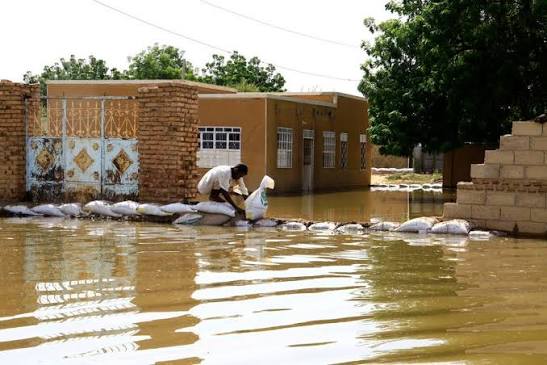
Thousands of displaced people in Blue Nile State are losing shelter and access to lifesaving aid as heavy rainfall and widespread flooding destroy camps and damage temporary housing. Field reporting collected by Darfur Network for Human Rights shows Damazin city and several surrounding areas are at the centre of the emergency, with large parts of displacement sites under water.
The floods have collapsed or severely damaged multiple temporary shelters, the report says, and standing water has made movement within camps difficult. Humanitarian convoys face access problems, reducing delivery of food, medicine and shelter materials to populations already dependent on external assistance.
Health risks are rising. The field information names malaria and waterborne diseases as immediate threats, linked to stagnant water, failing sanitation services and a shortage of safe drinking water. Access to healthcare remains limited, increasing danger for children, women, older people and persons with disabilities.
Displaced communities have issued an urgent appeal to humanitarian organizations, relevant authorities and the international community for immediate emergency shelter, food supplies, medicine and clean drinking water. They also call for improved sanitation services and measures aimed at reducing flood and disease risk.
Field data indicates the rainfall, coupled with the ongoing armed conflict that produced the displacement, will probably worsen conditions if it continues. The combination of damaged shelters, restricted aid access and escalating public health threats means a coordinated humanitarian response is required now to prevent further loss of life and protect the most vulnerable.