
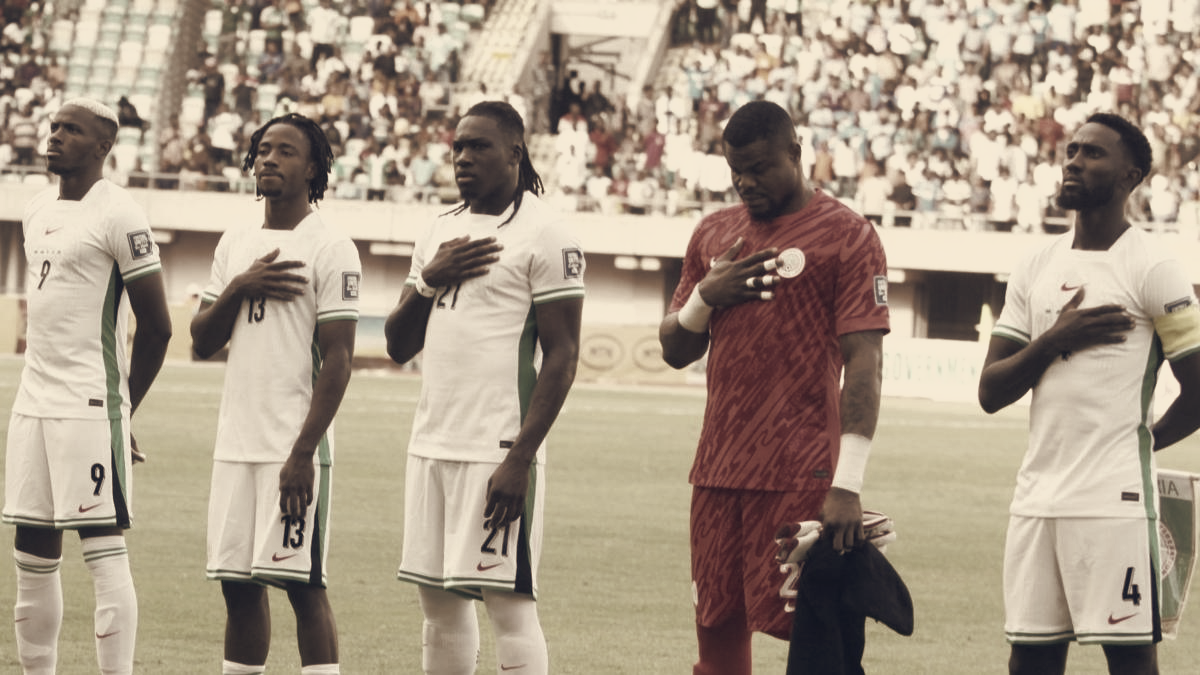
Nigeria's football governance is headed for a structural overhaul after senior Nigeria Football Federation officials resigned and a joint FIFA and Confederation of African Football delegation began work with the National Sports Commission on a reform roadmap. The immediate consequence is a pause in normal federation politics, with national elections that had been set for 27 September now suspended and interim administrators in place.
The resignations came amid a run of poor results at senior, age-grade and club levels. Both the men's Super Eagles and the women's Super Falcons failed to qualify for recent World Cups, and several junior sides and Nigerian clubs underperformed, even though an under-20 women's team reached a World Cup quarter-final. Public anger at those outcomes helped trigger the departure of NFF president Ibrahim Gusau, general secretary Mohammed Sanusi and multiple executive committee members.
Emmanuel Ikpeme has been named interim general secretary and Ademola Olajire interim deputy general secretary, a stopgap that hands short-term stewardship to caretakers while the FIFA-CAF discussions continue. Those talks will shape the next official structures and the timetable for returning the federation to an elected leadership.
Former international Segun Odegbami framed the scale of the crisis in stark terms, calling it the nation's "worst time" in football history and a "tectonic shift" for a country long seen as a continental force. He said, "It has never been this bad in our entire history that we didn't qualify for the World Cup," and added, "Our girls, who were African champions, failed to win a competition that was just there for their taking. All our junior teams are not doing well." Odegbami also warned that the domestic league "is not bringing in money" and that administrators had failed to guide long-term development.
Voices inside the game and journalists argue the response must reach beyond personnel changes. Fisayo Dairo said the reset should establish lasting systems, calling for grassroots development, clearer governance and stronger corporate representation so administrations can generate funds. Commentators have also pointed to gaps in coaching methods, player development pathways and the culture and style of Nigerian football.
Infrastructure decay and weak investment were cited as additional pressures that any reform plan must address. The coming phase will test whether the FIFA and CAF-backed roadmap can restore funding, tighten governance and deliver a coherent long-term strategy for player development, or whether the crisis will produce only short-term fixes.