
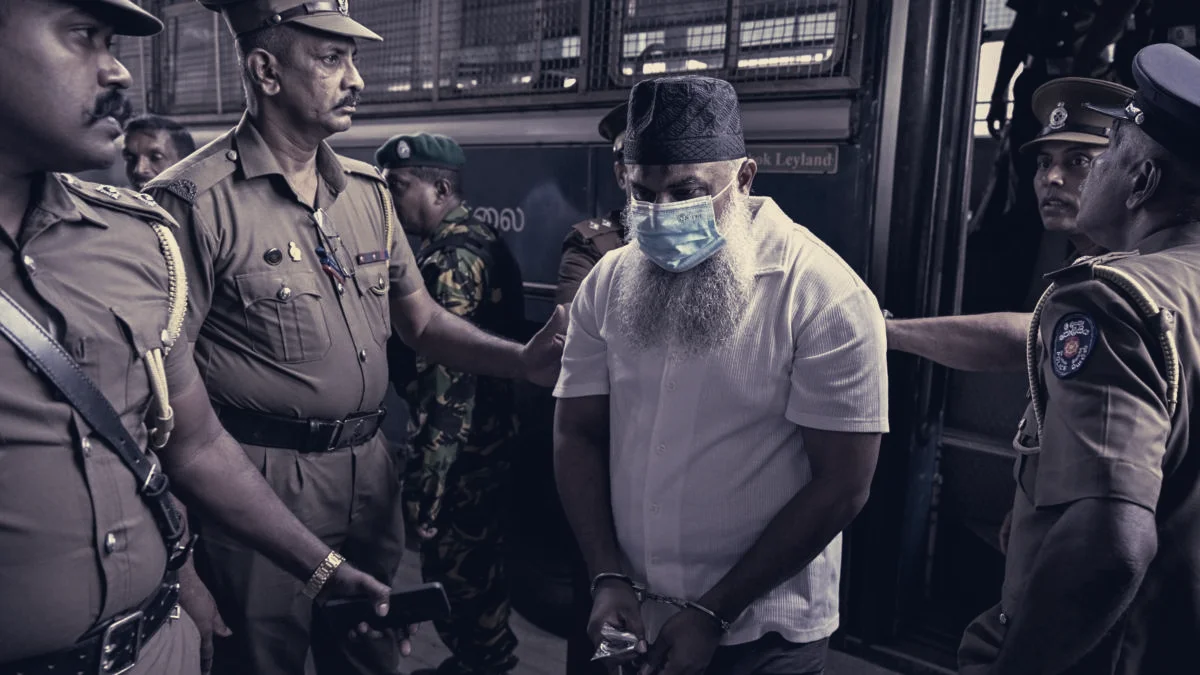
Victims of the 2019 Easter Sunday attacks scored a legal advance when Sri Lanka's High Court found 15 men guilty of roles in the bombings that killed 270 people and injured more than 500. The convictions include Naufer Moulavi, whom prosecutors said orchestrated the suicide attacks that struck churches and luxury hotels.
Nine other defendants on the same indictment were acquitted. Prosecutors had charged 25 men in total; one of the accused died while in custody. All of the suicide bombers who carried out the strikes died on the day of the attacks, and investigators previously blamed Islamist extremists for the coordinated operation.
The case presented to the court was massive in scale. The accused faced more than 23,000 alleged offences, covering counts such as murder, conspiracy to commit terrorism and weapons offences. More than 2,300 witnesses gave testimony for the prosecution, and officials entered 2,076 items of material evidence, including explosives, swords and firearms.
The victims included 45 foreign nationals among the dead, making the attacks the deadliest peacetime violence Sri Lanka has seen since the civil war ended in 2009. In the assaults' aftermath authorities publicly acknowledged a major intelligence failure, and parliamentary evidence showed a tip-off from India had not been properly shared with local agencies.
The convictions come amid broader legal accountability for the security collapse that preceded the blasts. In 2023 the Supreme Court held former president Maithripala Sirisena liable and ordered him to pay millions in compensation to victims. Last month two former senior officials were handed death sentences for criminal negligence linked to the attacks, though Sri Lanka has a long-standing moratorium that typically leads to death penalties being commuted to life imprisonment.
The High Court verdicts represent a significant milestone in a multi-year judicial process that has already produced landmark rulings against senior officials. Sentencing for the newly convicted defendants and any subsequent appeals will determine final punishments and shape how those rulings translate into lasting accountability.