
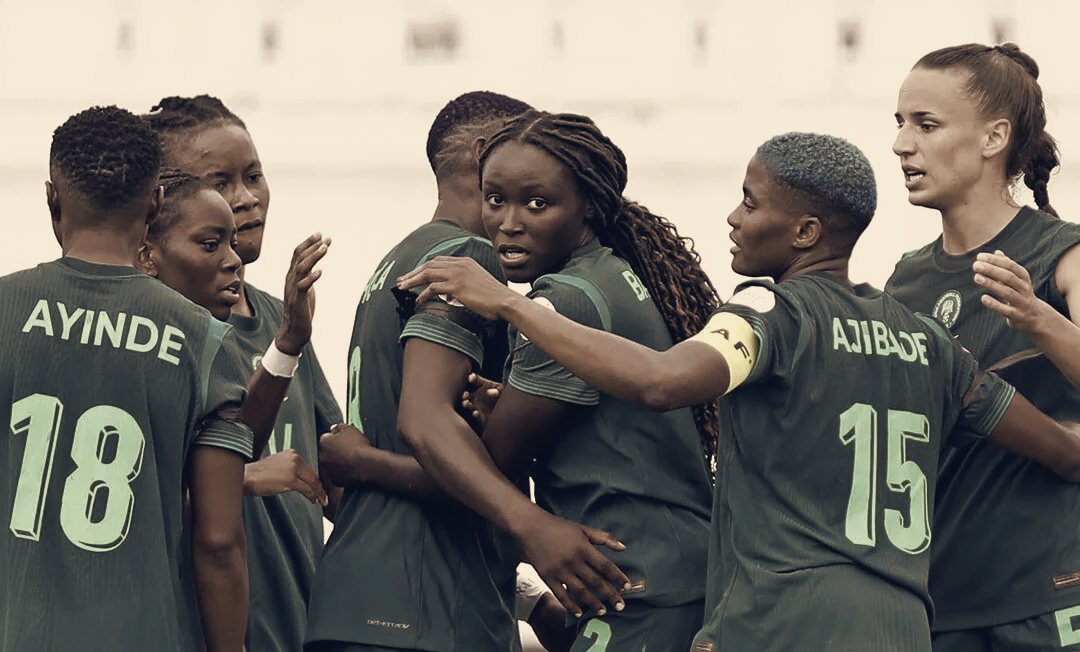

Nigeria's football governance faces sweeping reform after a Nigeria Football Federation fact-finding panel identified systemic administrative, technical and structural failings and alleged pay-for-selection practices.
Chaired by former NFF general secretary Ambassador Fanny Amun, the six-member committee delivered its report dated August 21, 2026, after reviewing the Super Falcons' campaign at the 2026 Women's Africa Cup of Nations in Morocco. Nigeria failed to retain the continental title and did not qualify for the 2027 FIFA Women's World Cup in Brazil, outcomes the panel linked to deeper institutional weaknesses.
The committee, which included former internationals Desire Oparanozie and Mutiu Adepoju, plus Dr Alex Mana, Ladan Bosso and secretary Nasiru Jibril, examined governance, financing, technical development, grassroots football, league administration and national-team management. It accused some board members, officials and coaches of having the power to influence player selection for financial gain, and reported instances where incentives were allegedly demanded or accepted to secure national-team camp invitations.
Investigators also flagged unequal treatment within delegations, saying board members and management staff sometimes received payments while players and their officials were left unpaid. The panel found no evidence that individual players had exerted undue influence over selections during the Morocco campaign, and it confirmed Ashleigh Plumptre's absence was medically justified after surgery, with her condition validated by medical staff in Nigeria and at her club abroad.
The report called for tighter controls on access to team camps, insisting camp management must be structured and secure. It urged earlier, coordinated preparations for national teams, with selection grounded in current fitness, objective performance metrics and proper medical assessment rather than external pressure.
On the domestic game, the committee recommended a comprehensive overhaul of the NPFL, NNL, NLO and NWFL, along with upgraded coaching education, certification, scouting and player development. It pressed the federation to deploy modern data and verification technology to tackle discrepancies in player records and age verification, and to use digital systems to attract corporate investment. The panel also advised stronger oversight of social media and other external influences that can undermine team cohesion.
Governance reforms were explicit: NFF Congress members should be credible, experienced and limited to two terms, and the federation must guard against officials remaining too long in lucrative roles, which the committee warned fosters rivalry and impedes efficiency. It recommended a deliberate development template for both men's and women's football, backed by continuous training for administrative, technical and secretariat staff. The report identified the Super Six competition as potentially important for scouting and development and said improved league funding is essential to produce players capable of competing internationally.
On accountability, the panel urged the NFF to investigate allegations through its internal mechanisms and to implement practical changes supported by genuine political will. It commended the Super Falcons and the wider delegation for their efforts in Morocco and said the priority is to learn from failures and rebuild Nigerian football on a more professional, transparent and sustainable foundation.