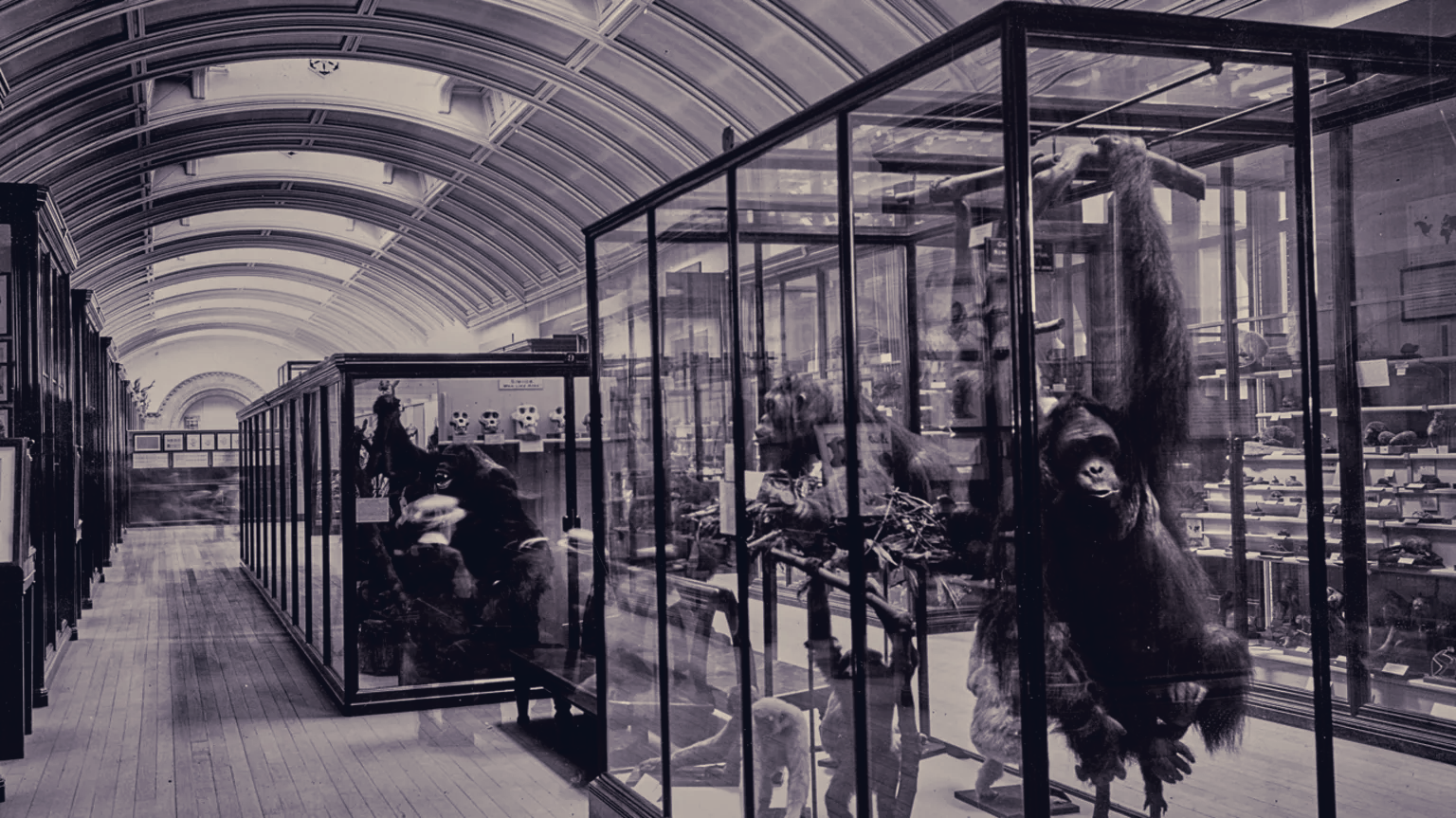

Visitors will be able to enter a gallery that has been closed since World War Two when the Natural History Museum reopens the space on 16 September. Named Nature and Us, the temporary display assembles 50 objects intended to trace how humans have understood and interacted with the natural world. The museum has positioned the reopening as part of NHM150, its programme to introduce a new or refreshed showcase each year until the museum's 150th anniversary in 2031.
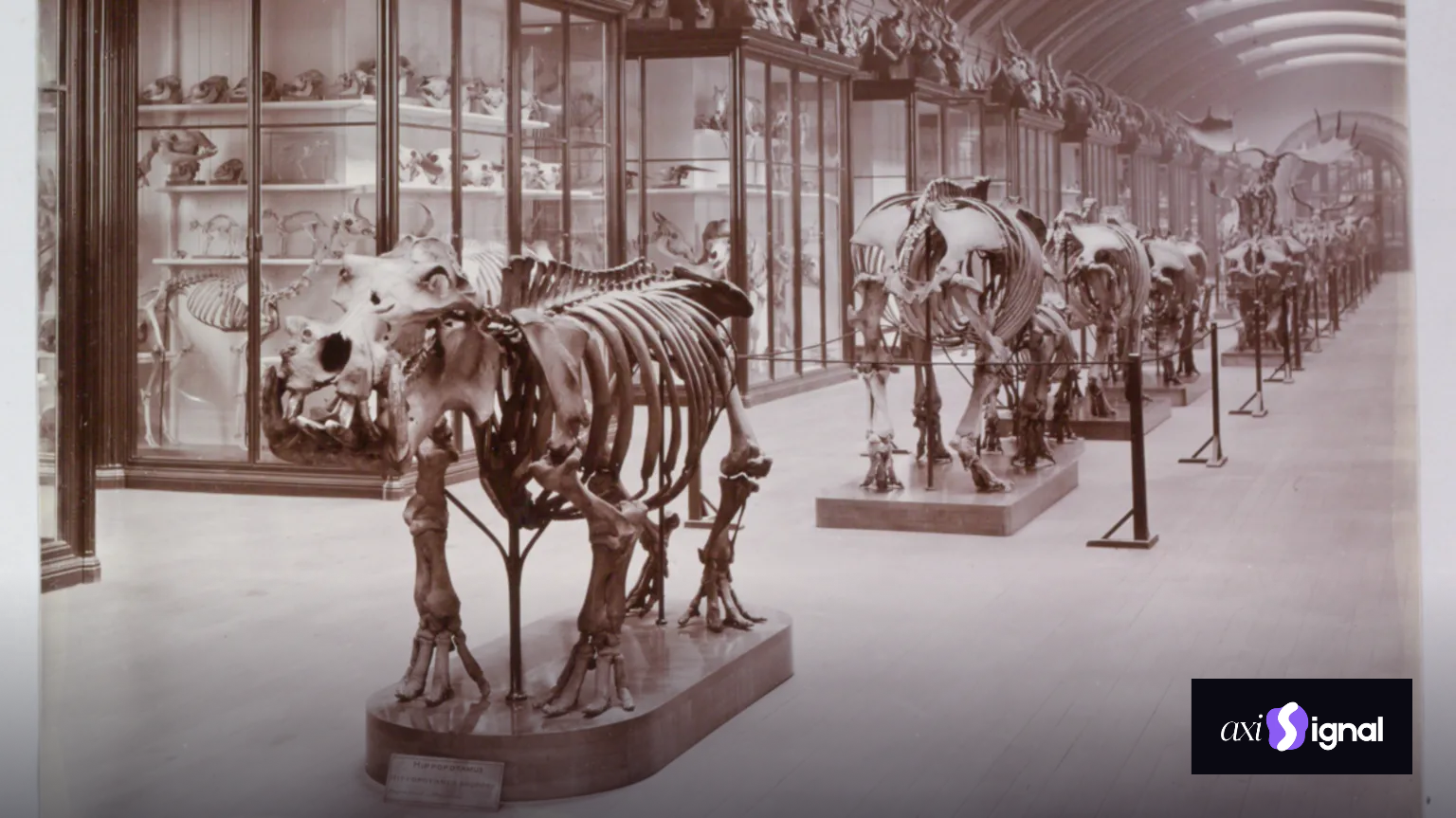
Dr Doug Gurr, director of the Natural History Museum, emphasised the scope of the moment, saying, "For the first time in over 80 years, visitors will be able to step into this beautiful historic space and explore our changing relationship with the natural world." The museum will run the exhibition as an experimental presentation during an initial 18-month period, inviting visitors to share their views on what should appear in the permanent gallery planned for 2029.
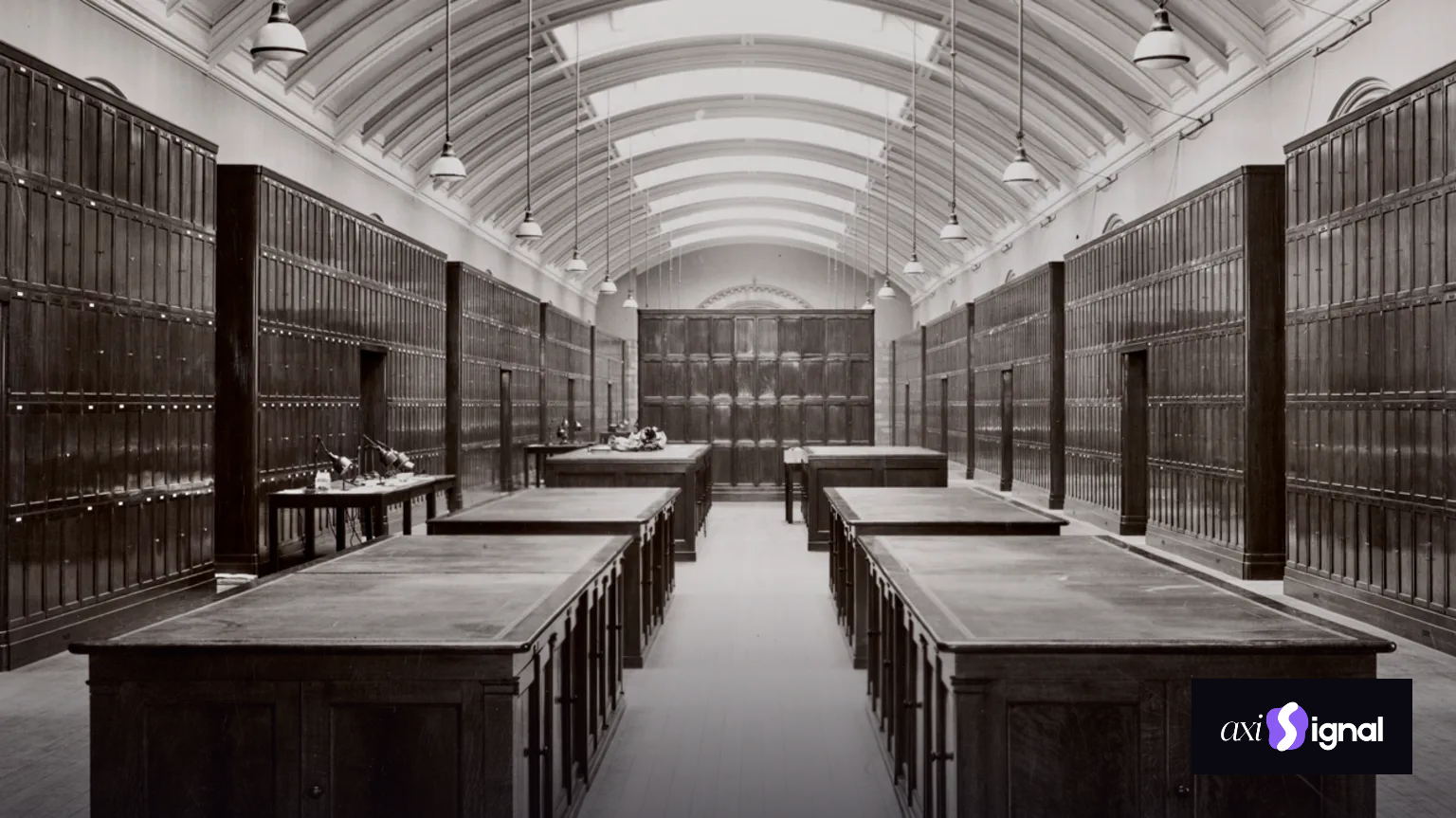
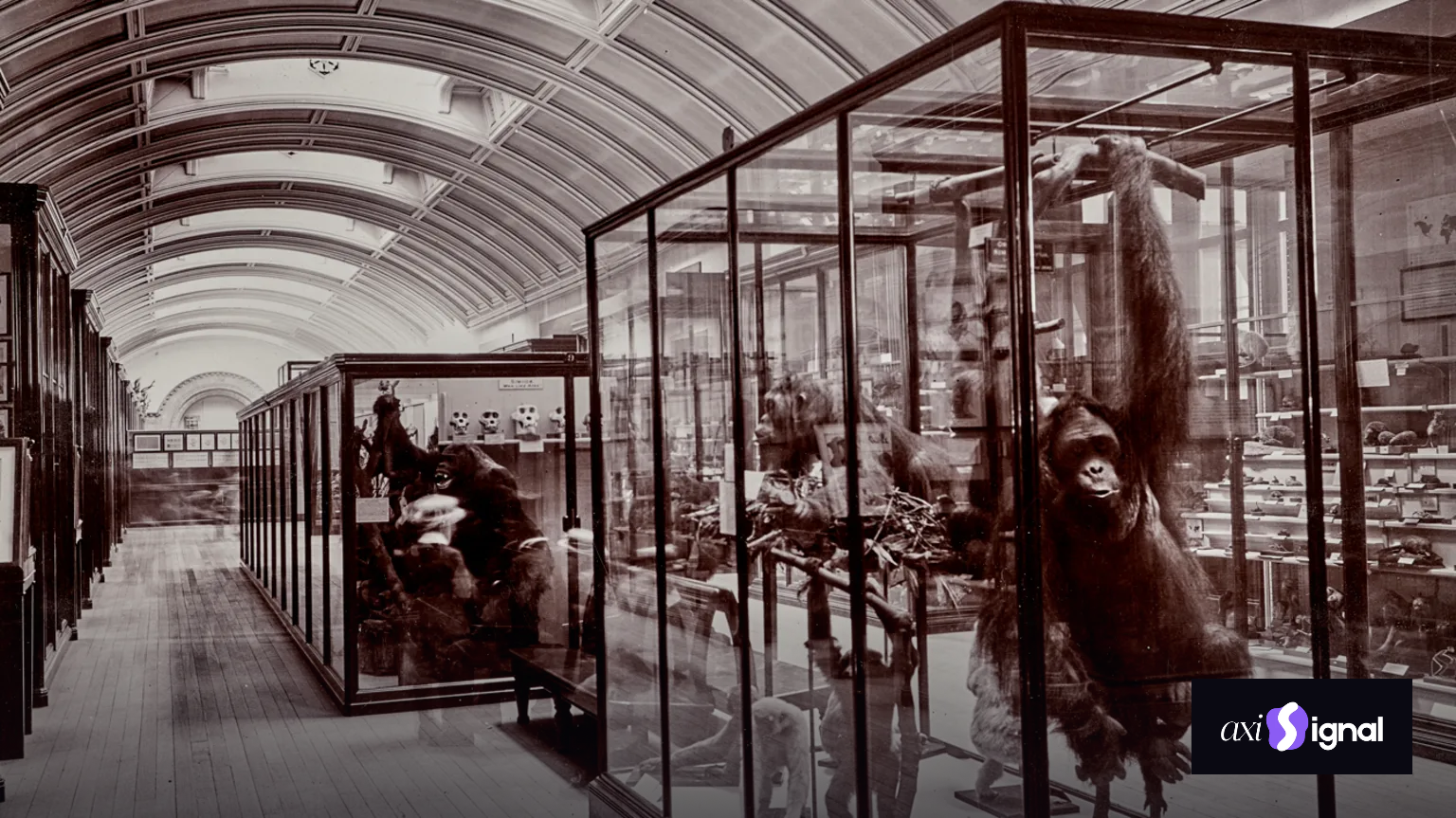
The display occupies the second floor of the main Waterhouse Building. The room originally held the museum's herbarium, but that collection was damaged during World War Two and the space was later repurposed to store botanical holdings, keeping it off-limits to the public for decades.
Selected objects underline shifts in science, display practices and human attitudes to animals. Highlights include a miniature model of a Crystal Palace dinosaur that reflects early reconstructions of prehistoric life, a Victorian skeleton of a monk seal named Jenny that points to past exploitation of wild animals for human entertainment, and the jaw of one of Britain’s earliest known domesticated dogs, dated to about 14,300 years ago.
The Natural History Museum, in South Kensington, remains free to visit and open seven days a week. The institution will monitor audience responses during the trial, feeding that input into plans for a permanent gallery due to open in 2029 and into the wider NHM150 schedule of annual gallery openings through 2031.