Aid workers are at greater risk as cheap, weaponised drones put lethal capability into more hands and allow strikes to reach deeper into populated areas. The UN Office for the Coordination of Humanitarian Affairs marked World Humanitarian Day by warning that 907 aid workers were victims of violence last year while carrying out lifesaving tasks. Fatalities fell in 2025 but remained historically high, with 350 humanitarian staff killed, the second-highest toll on record.
The wider pattern did not ease in 2026. The Humanitarian Outcomes' Aid Worker Security Database, funded by the Australian and Canadian Governments, recorded another 322 aid workers injured and 235 kidnapped so far. Globally in 2026 to date, 82 aid workers have been killed, 97 injured and 39 kidnapped.
The UN singled out Gaza as the deadliest context for aid personnel in 2025 for the third year running, with 186 killed, 68 percent by aerial bombardment. Sudan saw a record 71 aid workers killed in 2025, mostly from small arms fire. Other high-insecurity contexts in 2025 included Ukraine, Ethiopia, Syria, Haiti, Chad and Cameroon, where kidnappings and aerial bombardment were common.
The changing battlefield is evident in civilian casualty patterns. OCHA reported armed drones were responsible for 80 percent of civilian deaths in Sudan during the first four months of 2026, striking markets and health facilities. In Ukraine, drones killed 80 civilians in April 2026 alone, and in Russia drone attacks have also killed civilians and damaged civilian infrastructure. Colombia experienced a fourfold jump in attacks involving weaponised drones between 2024 and 2025.
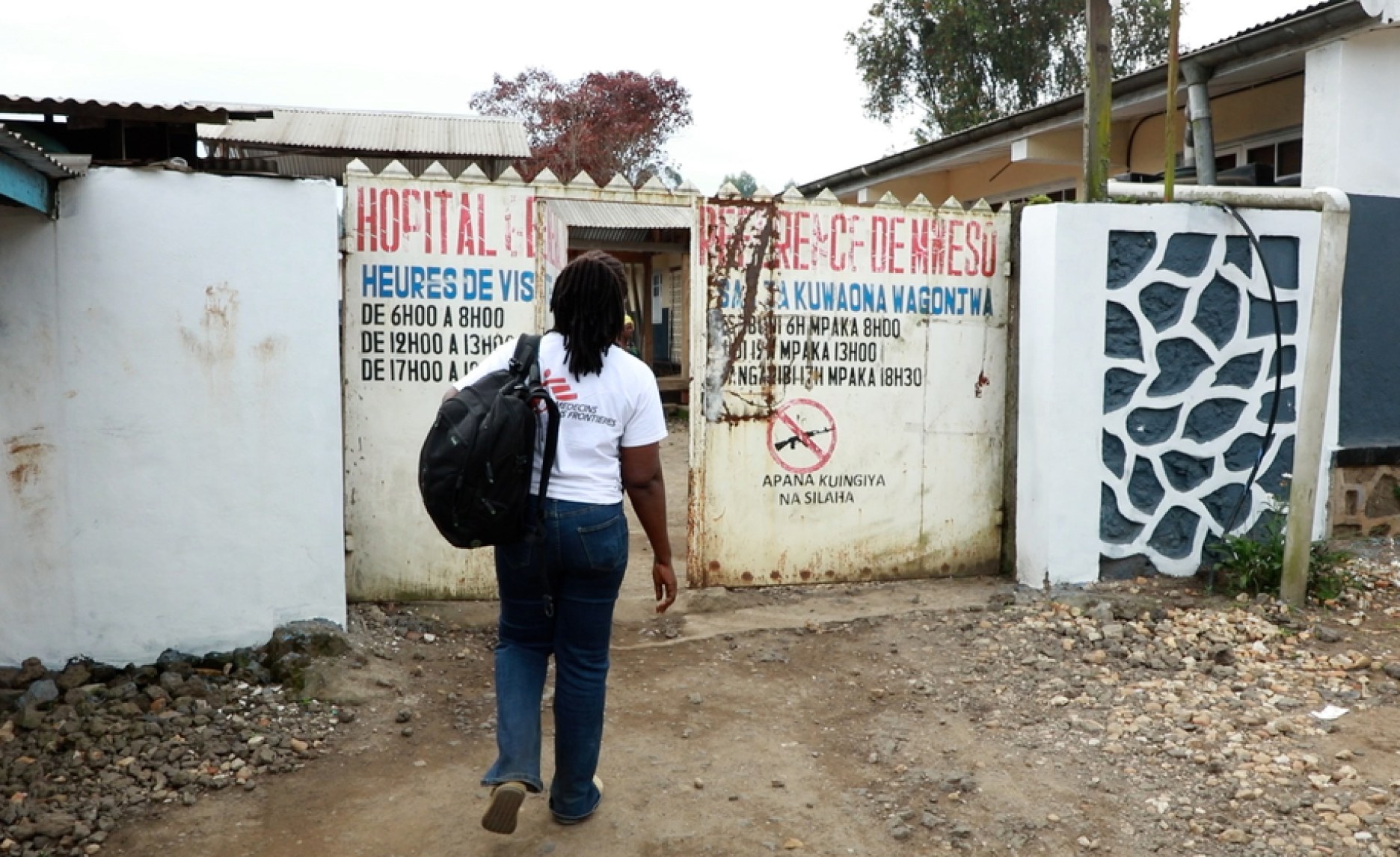
Health and aid services are direct targets. The World Health Organization has recorded 639 attacks on healthcare so far this year. In March an aid worker was killed when a drone struck a residential building in the Democratic Republic of the Congo. In May four humanitarian convoys in Ukraine were hit by attacks within a single week.
UN Secretary-General António Guterres honoured aid workers and warned that "Disinformation is eroding trust. Humanitarian funding is being cut. And humanitarian access is being restricted," calling on Member States to stand up for teams in the field. Tom Fletcher, UN Humanitarian Affairs and Emergency Relief Coordinator, said, "More than 1,000 aid workers have been killed in just three years and that is utterly unacceptable." He added, "But just calling it out will not protect the next aid worker. States must uphold international humanitarian law and use every tool to protect civilians and our colleagues. And for those who break the rules, there must be real consequences."
The human stories behind the statistics underscore the stakes. Emmanuel Madragule, a humanitarian driver who survived an armed-group attack during a mission in eastern DR Congo in June 2024, returned to field work because he felt he could not abandon colleagues, saying, "I cannot leave my colleagues like this. I have to stay with my colleagues." His commitment traces back to 2008, when humanitarian workers saved his uncle's life.
International humanitarian law obliges parties to armed conflict to protect civilians and humanitarian personnel. Humanitarian organisations are attempting to reach 87 million people facing the most severe needs this year, even as access tightens and funding falls. The UN has urged states and powerful actors to "Act for Humanity," but the immediate consequence is clear: without meaningful protection and accountability, aid workers will keep operating under growing danger.