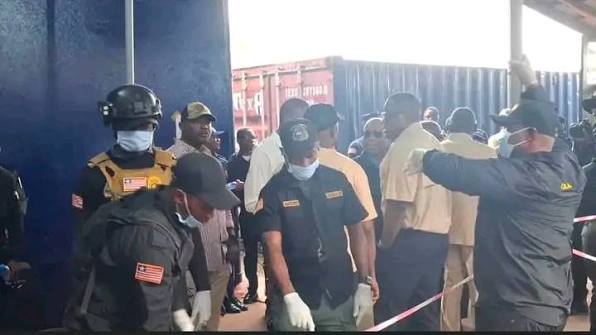

Niger state declared three days of mourning and delayed the start of election campaigning after 37 people detained on suspicion of illegal mining were found dead in a facility run by the Nigeria Security and Civil Defence Corps.
Officials arrested the group on Tuesday near Borgu, a district in the mineral-rich state known for small-scale gold mining. Two days after the arrests, the detainees were discovered dead inside the NSCDC detention centre, prompting immediate action from state authorities.
The NSCDC said the deaths were linked to a possible diphtheria outbreak, a bacterial infection that can be fatal. State governor Mohammed Umaru Bago described the losses as "sad and tragic." Niger's police chief has ordered an inquiry, with a spokesman, Wasiu Abiodun, writing that the probe follows "the unfortunate death of suspected illegal miners while in the detention facility of the NSCDC." An NSCDC commander has been detained as the investigation proceeds. The bodies were taken to the general hospital in Minna for examination.
That official explanation has been contested. An intelligence report shared with investigators suggested the deaths were more likely to have resulted from overcrowding and poor ventilation in the detention centre. Relatives of the deceased have also disputed the disease account, alleging the detainees were deliberately killed.
Authorities and experts have warned that the scramble for gold in parts of Niger state has fuelled criminal gang violence around illegal mining sites. A 2024 SwissAid report cited in official briefings found much of the region's gold is trafficked through global supply chains. The combination of security pressure on mining sites and the informal gold economy has framed this incident as both a law enforcement and a public order challenge.
For now, the immediate steps are forensic examinations at Minna general hospital and a police investigation into the circumstances of the deaths. The detention centre's conditions and the conduct of the NSCDC will be central to the inquiry, which will determine whether disease, neglect or other factors caused the fatalities.