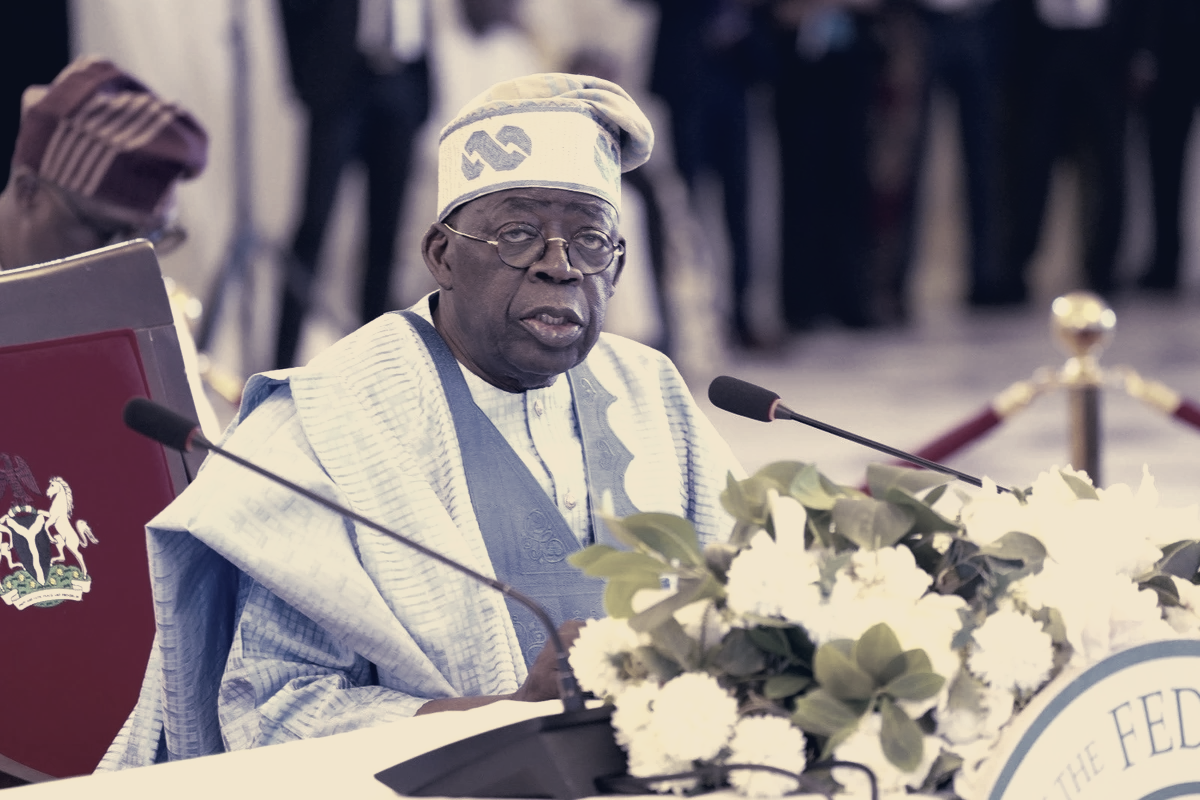
More Nigerians should begin to pay less for transport from October 1, President Bola Tinubu said on September 19, 2026, citing more than ₦3.5 billion in commuter savings from CNG buses in Kaduna’s first year. Tinubu delivered the update on the National Affordable CNG Transit Programme after meeting the governors of the 36 states on August 27, and he said an implementation committee has been set up under the Nigeria Governors’ Forum, chaired by Kwara State Governor AbdulRahman AbdulRazaq.
The announcement arrives as petrol prices climb. Retail Premium Motor Spirit is trading between ₦1,400 and ₦1,450 per litre across major cities, with Lagos stations selling at about ₦1,400 to ₦1,430 and Abuja at ₦1,400 to ₦1,450. Tinubu did not directly address the latest petrol hike, but his update frames CNG and electric vehicles as alternative ways to ease pressure on households and transport operators.
Officials involved in the initiative, including Pi-CNG & EV, state governments and other stakeholders, are tasked with identifying priority transport corridors, selecting suitable interventions and making the logistical arrangements required for rollout. The president pointed to past examples where alternative-energy transit cut fares: a Lagos, Ibadan fare dropped from about ₦8,000 to ₦3,200 during early CNG deployments in Oyo, Adamawa saw fares fall by as much as 50 percent, and some Abuja routes recorded roughly 40 percent reductions after CNG conversions. Niger and Abia states have also recorded lower fares through CNG or electric transport projects.
Funding and infrastructure are already being mobilised. The Midstream and Downstream Gas Infrastructure Fund is financing more than 100 gas projects, including 15 CNG mother stations and 86 daughter stations. The federal plan adds another 500 CNG refuelling stations to an earlier 500 ordered by the Fund, bringing the planned nationwide rollout to 1,000 stations.
Despite the push, an exclusive report found that fuel savings have not consistently reached passengers. CNG operators say they pay less for fuel, but commuters in many areas still face high fares because of other operating costs, gaps in refuelling coverage and broader infrastructure shortfalls. The government aims to convert one million commercial petrol vehicles to CNG by 2027, but Pi-CNG & EV has converted only 120,000 vehicles so far, despite the initiative attracting more than $2.5 billion in investment. The implementation committee’s corridor selections and the speed of station rollout will determine whether the October 1 timeline produces visible relief for commuters.