
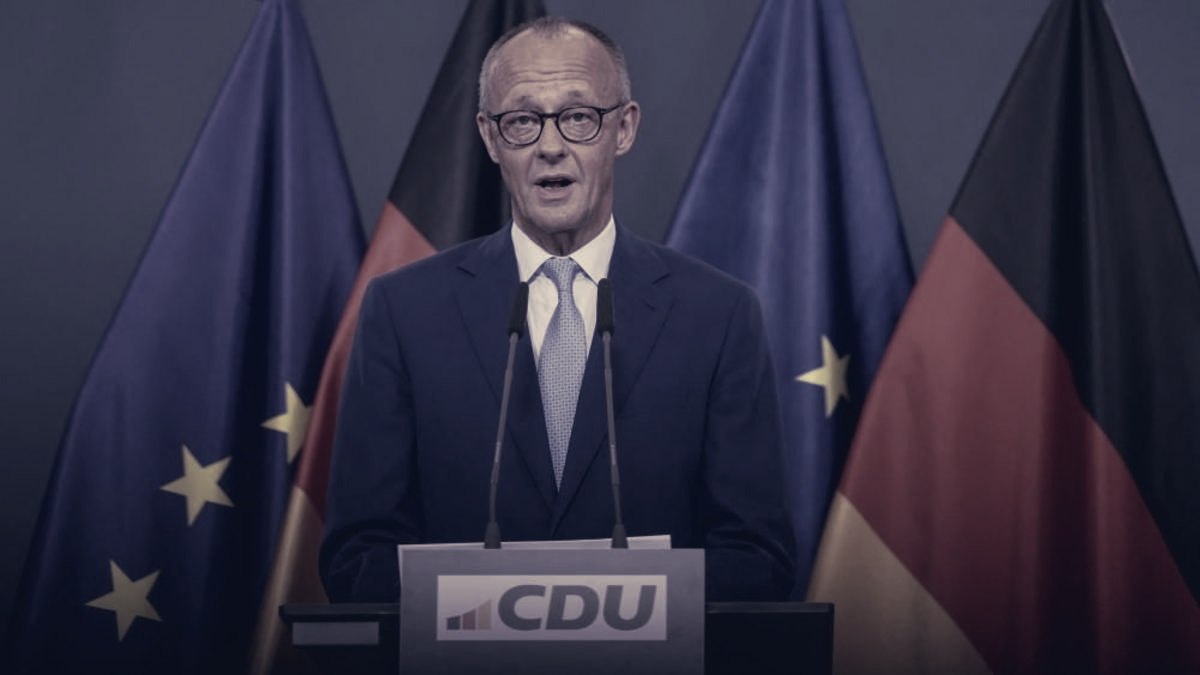
Merz pledged to remain chancellor, but exit polls showing big losses for the CDU in two state votes deepen the political pressure on his leadership. The early returns put the centre-right party on the defensive in Berlin and left it fighting to keep a foothold in Mecklenburg-Vorpommern, raising fresh questions about whether his position can hold.
In the north-east state of Mecklenburg-Vorpommern, broadcaster ZDF projected the far-right Alternative for Germany on 38% of the vote, with the CDU facing the prospect of only just scraping into the regional parliament. ZDF added that, despite the AfD lead, it is unlikely to govern because other parties refuse to work with it.
In Berlin, ZDF placed the CDU on 20% when polls closed, behind Die Linke on nearly 26%, signalling a projected defeat for the incumbent CDU administration in the capital. Polling stations closed at 18:00 local time, 17:00 BST, and a final result was expected in the coming hours.
Speaking from Berlin after the exit polls were announced, Merz described the outcome as "a disaster" but said he would stay on as chancellor. His declaration came amid growing speculation about his future following a run of poor numbers for the party at the ballot box.
These setbacks follow a major AfD victory in Saxony-Anhalt a fortnight earlier, when the CDU's vote share was halved. Merz has held the chancellorship for 16 months, and his tenure has been shadowed by low approval ratings and rumours that he could be replaced mid-term. Earlier this week the leaders of eight German states publicly backed him.
Final results from both states will determine how acute the consequences become for the CDU at the national level. For now, the exit polls confirm a continued shift in regional voting patterns and leave Merz facing intensified scrutiny from inside and outside his party.