The shape of the economic agenda for President Donald Trump and President Xi Jinping is emerging after Treasury Secretary Scott Bessent met Chinese Vice Premier He Lifeng in New York, a meeting U.S. officials say focuses on trade, artificial intelligence and rare-earths ahead of the Sept. 24 leaders' summit in Washington.
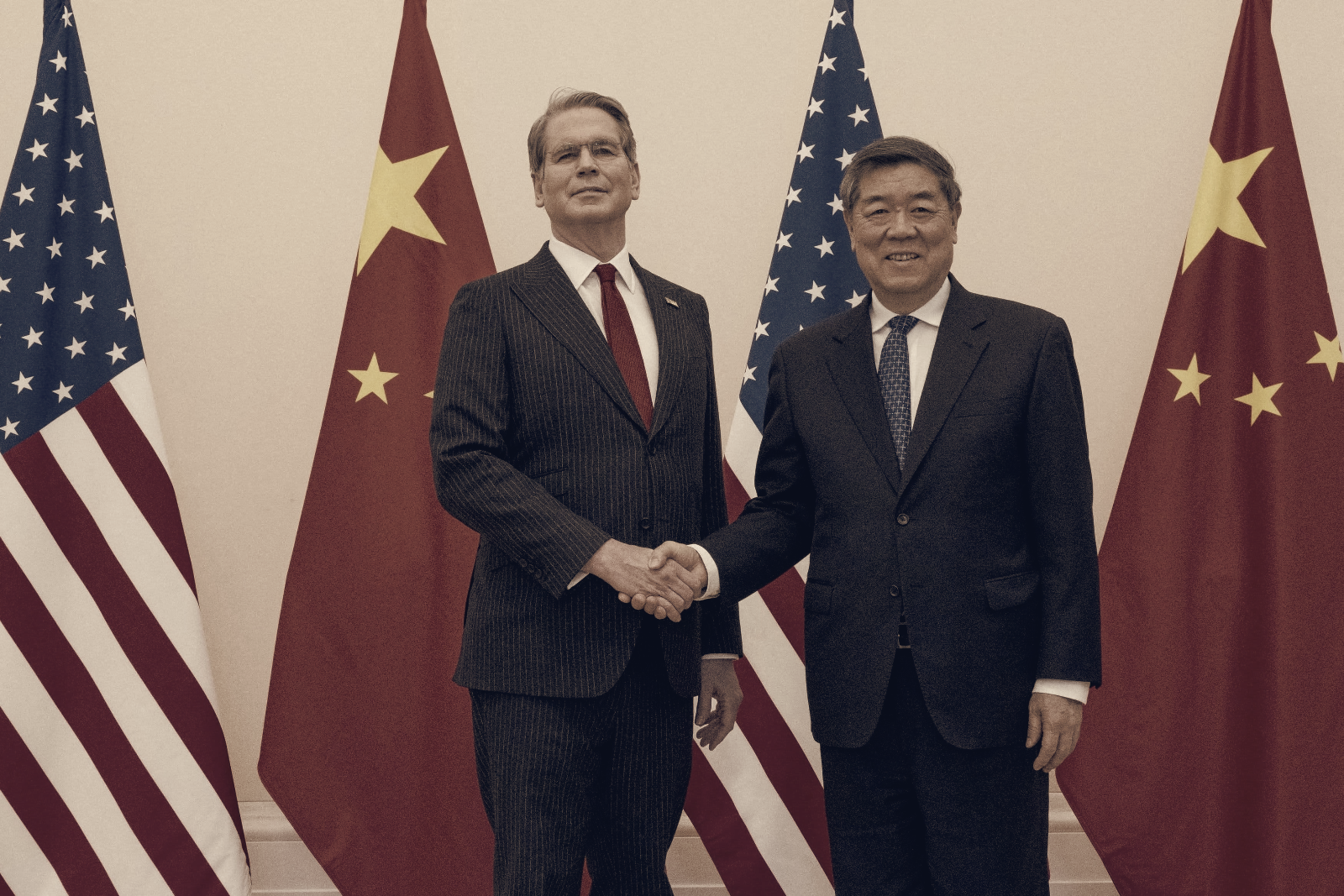
Bessent posted a photograph of the two men on X, saying, "In New York City, Vice Premier He Lifeng and I are continuing our discussions on the U.S.-China economic and trade relationship ahead of [President Donald Trump's] historic summit with President Xi in Washington." He added, "These talks help lay the groundwork for President Trump to advance America's economic interests and deliver results for the American people." Speaking briefly to reporters before the meeting at JPMorgan Chase, Bessent said he looks forward to "focused, fulsome and constructive talks today that will set the stage" for the leaders' summit.
The meeting is part of a coordinated U.S. team approach, with U.S. Trade Representative Jamieson Greer expected to take part in follow-up discussions that will cover market access, tariffs and supply-chain issues. Negotiators are working against a deadline: the current truce that paused heightened reciprocal tariffs is set to expire on Nov. 10, and the existing arrangement includes Chinese commitments on rare-earth exports and U.S. agricultural purchases.
Artificial intelligence has become a central bargaining thread. Washington and Beijing are contesting technological leadership while U.S. policymakers debate regulatory options. The administration has signalled a preference for voluntary, national-security-focused safeguards rather than broad mandatory rules for AI developers, a posture likely to shape how the two sides discuss cooperation and limits.
Political optics and corporate interests are joining the policy debate. JPMorgan CEO Jamie Dimon and Citigroup chief Jane Fraser are expected at a state dinner in Washington, alongside technology executives including OpenAI CEO Sam Altman and Nvidia chief Jensen Huang, underscoring the economic stakes that could flow from any agreement.
With both capitals under domestic pressure on trade, national security and industrial policy, the next milestone is the leaders' meeting on Sept. 24. Negotiators will now try to convert these preparatory exchanges into concrete commitments that either extend the tariff truce beyond Nov. 10 or replace it with new terms on AI, critical minerals and other elements of the economic relationship between the two largest economies.