
Investors now face a trade-off, Broadcom raised multi-year AI and earnings expectations while flagging a near-term revenue miss. The company set targets of $115 billion in AI revenue for fiscal 2027 and $230 billion for fiscal 2028, and said it is aiming for earnings per share above $30. For the fiscal fourth quarter Broadcom forecast revenue of $34.8 billion, slightly below the LSEG consensus of $35.03 billion.
Quarterly results showed a dramatic year-over-year profit surge, but with uneven segment performance. Net income rose to $13.09 billion, or $2.68 per share, from $4.14 billion, or 85 cents a year earlier. Overall revenue climbed 86% from $15.95 billion a year earlier. Semiconductor revenue more than tripled to $16.7 billion, above the StreetAccount estimate of $15.2 billion, while infrastructure software produced $8.75 billion, just below the $8.82 billion StreetAccount consensus.
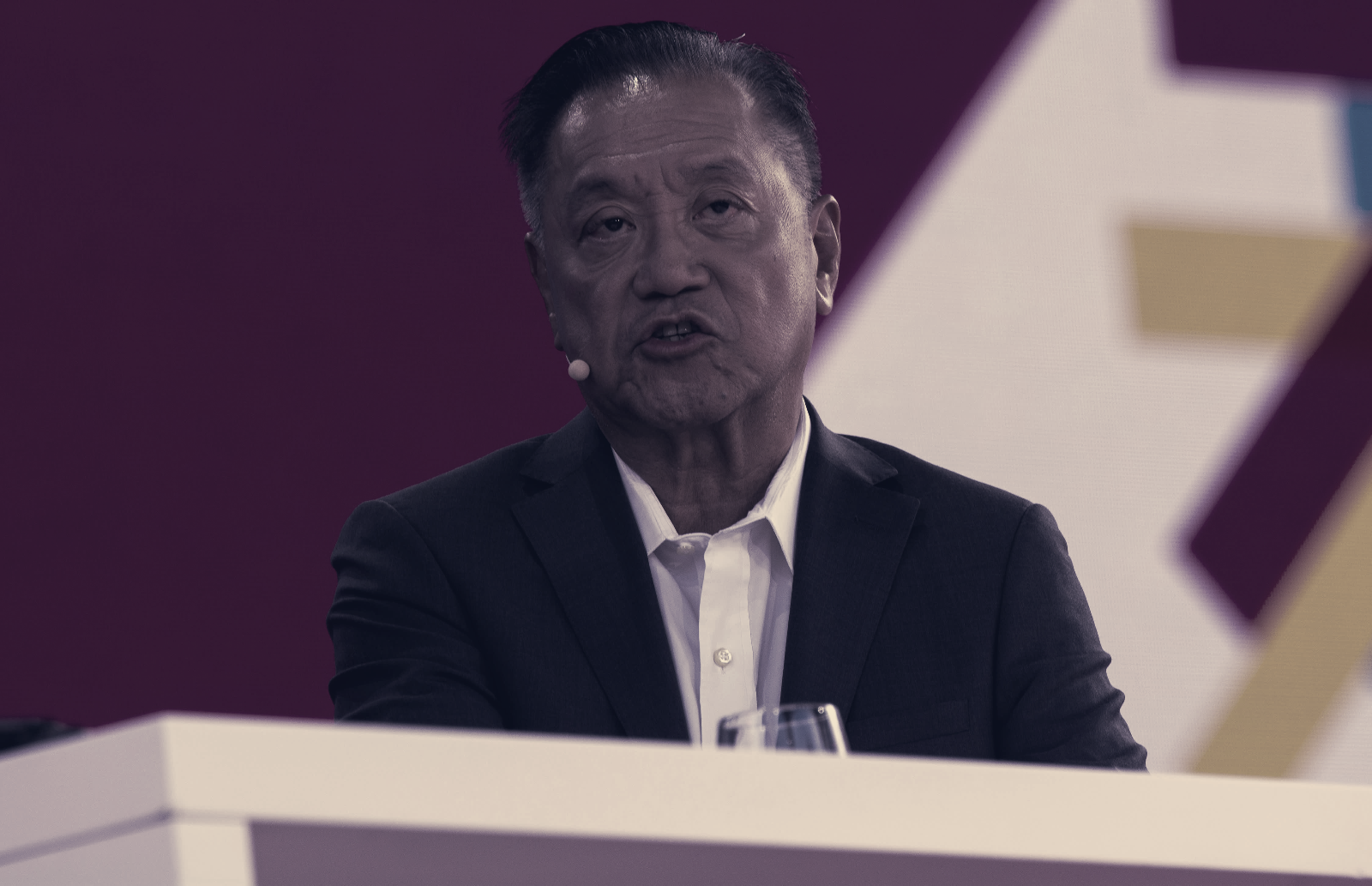
Management cast the plan as a bet on supplying the compute backbone for the largest AI developers, and outlined specific deployment targets and chip shipments. CEO Hock Tan said Broadcom plans to accelerate shipments of Google Ironwood tensor processing units to Anthropic and TPU 8i chips to Google, and projected the company will deliver tens of billions of dollars of processors to Google each year for the next several years. He also said Anthropic aims to deploy 5 gigawatts of TPU 8i chips in 2027, with line of sight to another 10 gigawatts. On OpenAI he said the company is preparing to tape out a second-generation chip and is planning a third version, and Broadcom is looking at a 1.3 gigawatt deployment of Jalapeno in 2027 with line of sight to over 5 gigawatts for Jalapeno and the second generation.
Tan reopened a previously touted product path, and he committed to continued shipments for other partners. “Shipments of Jalapeno for OpenAI will continue, and for Meta, we expect production shipments of their custom MTIA accelerator optimized for inference and recommendation at scale.”
Broadcom also described customer support arrangements that shift some risk onto the company’s balance sheet as it helps labs scale compute. Finance chief Amie Thuener said, “We are empowering two of our most strategic customers, the leading AI labs, to bridge the gap between their current cash flow and the significant upfront investments required for their businesses.” She added Broadcom may provide residual value guarantees that constitute contingent liabilities.
Market response to the set of figures and targets was muted. Shares ticked higher in after-hours trading, leaving the stock with roughly a 6% gain year-to-date in 2026, versus the S&P 500’s 12% rise. Broadcom’s market capitalisation sits near $1.8 trillion after a more than sixfold jump since the end of 2022, a period that tracked rising demand for generative AI services.
The immediate questions are execution and margins. Investors will watch quarterly delivery against the gigawatt deployment plans and whether Broadcom can sustain the margin profile implied by its EPS target while extending significant capital and guarantees to customers. Those outcomes will determine if the company’s bullish multi-year narrative can absorb the near-term revenue variance.