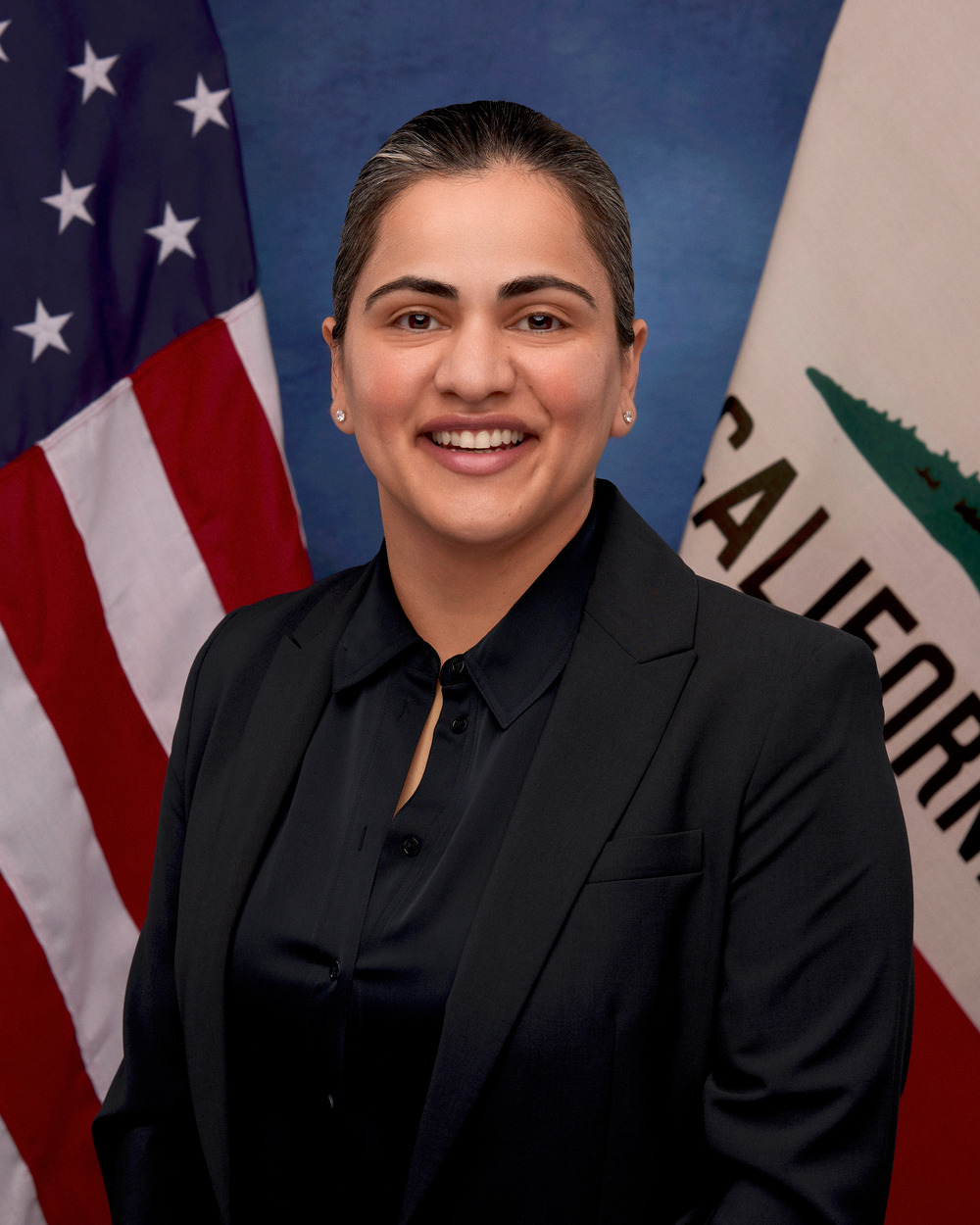

What happens next, the Accord Party presidential candidate is proposing a ₦605 per litre cap as a first benchmark on a plan to push pump prices toward ₦200, ₦300. The figure is offered as a cost-based alternative to reintroducing the opaque subsidy arrangements that preceded the 2023 reform.
The campaign anchors the calculation in a domestic crude production assumption of $45 per barrel, which it says combines NNPC costs and a standard industry upper limit of $30 plus a $15 margin. Treating a standard barrel as 159 litres, the campaign divides $57 by 159 to arrive at roughly $0.3585 per litre, which at an illustrative exchange rate of ₦1,400 per dollar becomes about ₦502 per litre.
To that base the campaign adds refining costs of $5 per barrel and distribution, transportation and insurance costs of $7 per barrel. Applying those benchmarks and an Energy Stabilisation Tax of approximately ₦104 per litre produces a figure close to the ₦605 target, the campaign said. Advisers cautioned the arithmetic is a benchmark rather than a full refinery cost accounting, noting a barrel yields a basket of products rather than 159 litres of petrol alone.
Hashim used the numbers to press for a full, independent forensic audit of the petroleum value chain, covering crude exploration and production, contracting, procurement, security, transportation, refining, storage, insurance, pipelines and distribution. “Show Nigerians the books. Publish the production cost. Publish refinery cost. Publish transportation. Publish insurance. Publish every margin. Let the data speak,” he said.
He questioned whether Nigerians should automatically carry every international opportunity cost attached to crude produced in the country, calling the conventional justification for subsidy removal “