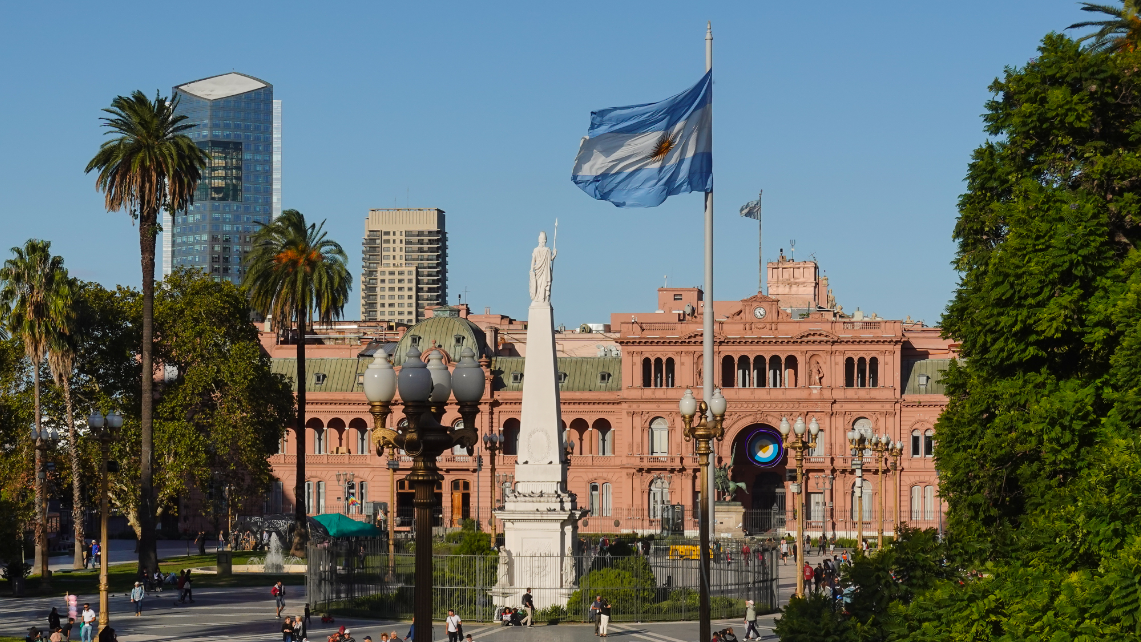

British diplomats in six locations around the world, including Buenos Aires and Santiago in South America, will no longer be eligible for hardship payments. The UK government has removed these cities, along with Panama City, Pyongyang, Bamako, and Sarajevo, from the list of locations that qualify for such payments. The decision affects civil servants who work in cities considered risky due to high crime rates, air pollution, or other factors that impact quality of life.
The hardship payment system, which has been in place for 30 years, is designed to compensate civil servants and their families for the additional costs and challenges of living overseas in difficult locations. The payments are reviewed regularly and take into account factors such as security measures, climate, natural disasters, and isolation. While the exact amounts of the payments are not publicly disclosed, previous data shows that postings to cities like Karachi, Pakistan, and Abuja, Nigeria, can result in significant extra pay, with the highest payment being £26,647 for a posting to Karachi.
The removal of Buenos Aires and Santiago from the list has sparked criticism from the Conservative party, with chairman Kevin Hollinrake arguing that it is unfair for taxpayers to foot the bill for hardship payments in popular holiday destinations like Bali and Rio de Janeiro. However, the Foreign, Commonwealth and Development Office has defended the scheme, stating that it has a duty of care to ensure its staff are properly supported and that compensation reflects the circumstances of the posting.
Foreign Office minister Lord Wood of Anfield emphasized that assessments of hardship take into account factors that may require staff to take additional breaks for their physical or mental health. He noted that these arrangements have been in place for decades and are not new. The list of cities that still qualify for hardship payments includes Bangkok, Cape Town, and Kuala Lumpur, as well as Dubai, Abu Dhabi, and Muscat.
The controversy surrounding hardship payments has led to pledges from the Conservative party to cut the size of the civil service if they return to power. Hollinrake argued that it is unfair for taxpayers to fund "jollies" to popular destinations while businesses and families are paying higher taxes to fund government policies. The debate highlights the ongoing discussion about the role of civil servants and the compensation they receive for working in challenging environments.