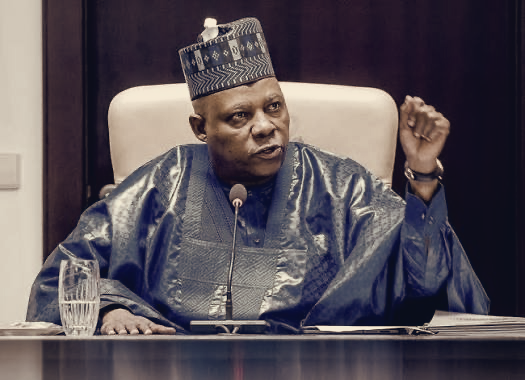

Nigeria has signalled a firmer diplomatic posture after a string of attacks on its nationals in South Africa, Vice‑President Kashim Shettima said as he prepared to return from Luanda. Speaking as President Bola Tinubu's representative at the 21st Extraordinary Session of the African Union Assembly, Shettima framed the response as moral and political and said the federal government was pained by the humiliation suffered by Nigerians and other African nationals.
Shettima warned that peaceful engagement remains Nigeria's preference, but added the country will insist on safety and dignity for its citizens. He used pointed language to mark the shift, saying, "Those whose palm kernels were cracked by benevolent spirits should learn to be humble. We were part of the struggle for the liberation of our brothers and sisters in southern Africa, and we feel personally pained that our people have been picked up for humiliation." He followed with another explicit rebuke: "The government and people of Nigeria will no longer countenance a situation whereby our people are dehumanised and put into very, very unacceptable situations."
The vice‑president called for robust and candid dialogue with South African leaders, urging conversations aimed at resolving the crisis without inflaming public sentiment. He repeated Nigeria's demand that its nationals be treated with respect under the rule of law, and urged South African authorities to ensure that immigration enforcement protects lives and upholds human dignity.
Nigeria has already taken the dispute to the African Union, a move Shettima referenced as part of a broader strategy to press Pretoria through regional institutions as well as direct engagement. He reaffirmed that Lagos favours diplomacy and engagement while reserving the right to make its position unmistakably clear when Nigerians are threatened, signalling a twin track of formal complaints at the AU and bilateral pressure in Pretoria.
The vice‑president's remarks set expectations of ongoing diplomatic activity and public readiness to escalate if incidents against Nigerians persist. For now, Abuja has placed the issue squarely in regional and bilateral channels, signalling that future steps will depend on whether South African authorities curb violence and uphold protections for foreign nationals.