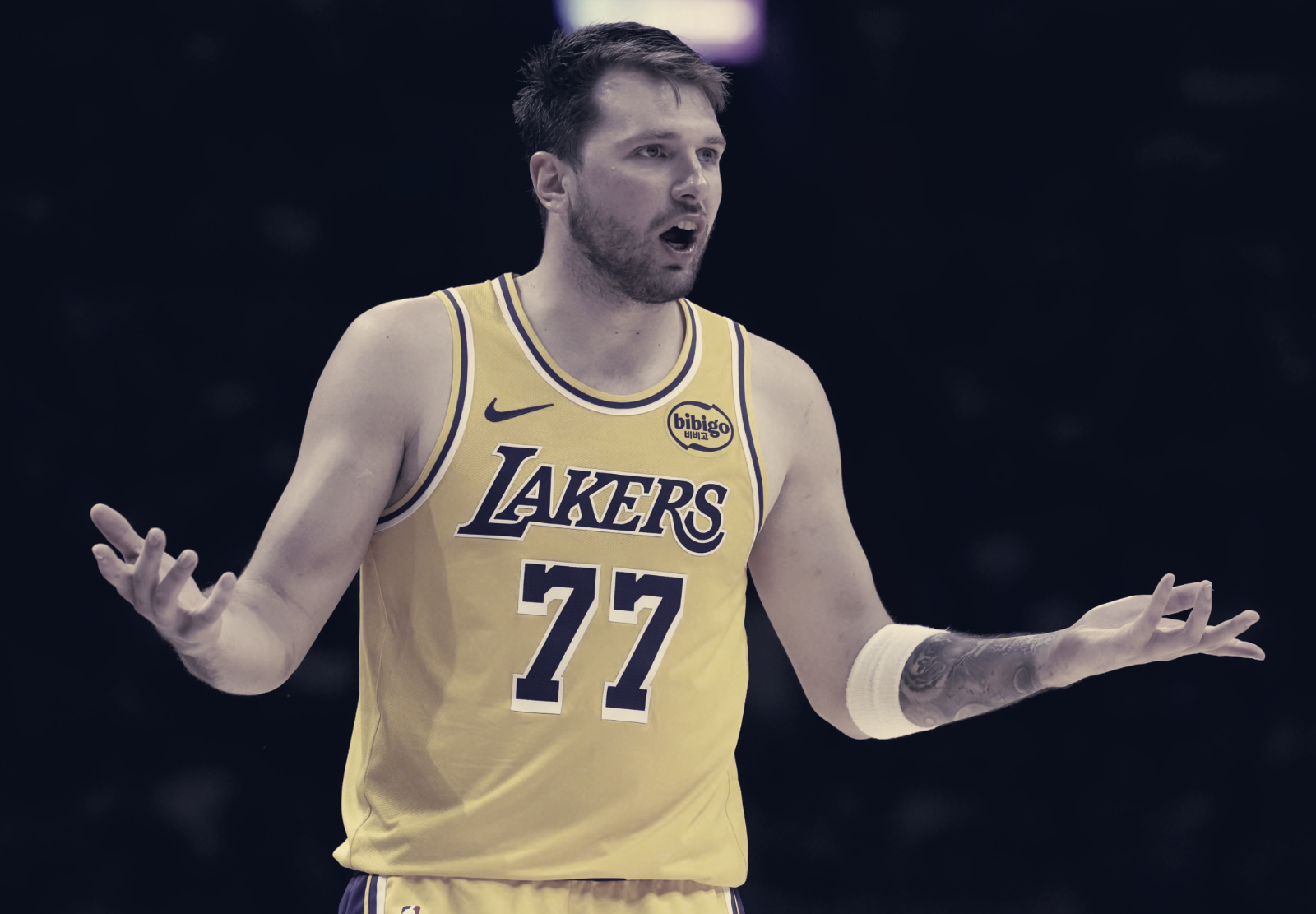

Luka Dončić’s legacy is at risk, caught between personal upheaval, recurring injuries and a Los Angeles roster that has not yet bent fully to his strengths. The Slovenian announced a separation from his fiancee in March and reports have described a protracted custody dispute over their two daughters. With his children living in Slovenia while he plays in the NBA, those matters have compounded the pressure on and off the court.
On the court, Dončić produced a striking run in March, a 15-2 stretch that included a 60-point outing against the Miami Heat and a surge that made the Lakers look like contenders. That momentum ended in April after a hamstring tweak, and he watched while Los Angeles bowed out in the second round to the Oklahoma City Thunder.
Those recent setbacks sit atop a short but eventful track record. Dončić reached his first NBA finals in 2024, carrying the Dallas Mavericks to that series while playing through injuries. The Mavericks lost to the Boston Celtics in five games, a series in which Dončić led his team in points, rebounds, assists and steals. The Mavericks then traded him to the Lakers, publicly citing defensive concerns while handing Dončić to a team built in the shadow of the LeBron James and Anthony Davis era.
In Los Angeles, Dončić has found close chemistry with Austin Reaves and the chance to play alongside his childhood idol, LeBron James. Yet the roster remained constrained by limited shooting and defensive shortfalls. Now LeBron has departed for the Philadelphia 76ers, and the Lakers have added Walker Kessler, their first centre not named Deandre Ayton in recent plans. Kessler’s arrival and his cost change the financial and tactical balance, and this season will be the first in which Dončić can genuinely run the Lakers as his own team.
That prospect is a mixed blessing. If the roster coalesces Dončić could finally steer a deeper playoff run. If the Lakers fail to close the gap on teams like the Thunder and Spurs, critics will focus on Dončić’s shortcomings, from defensive lapses to the availability problems that follow injuries. He is 27, playing in an era crowded with Nikola Jokić, Shai Gilgeous-Alexander and the rising Victor Wembanyama, and commentators already worry about a Harden-like legacy narrative that reduces a great player to the absence of rings.
Beyond trophies, the more striking question is how Dončić feels. He dominates games yet shows visible frustration with referees and frequent signs of discontent. That impatience has been as telling as any statistic, including his famous game-winner reaction over Rudy Gobert. This season will test whether Dončić can convert control of the Lakers into postseason success while finding any measure of personal steadiness. If he cannot, the tally of what lies against him will grow, even when much of it lies outside his control.