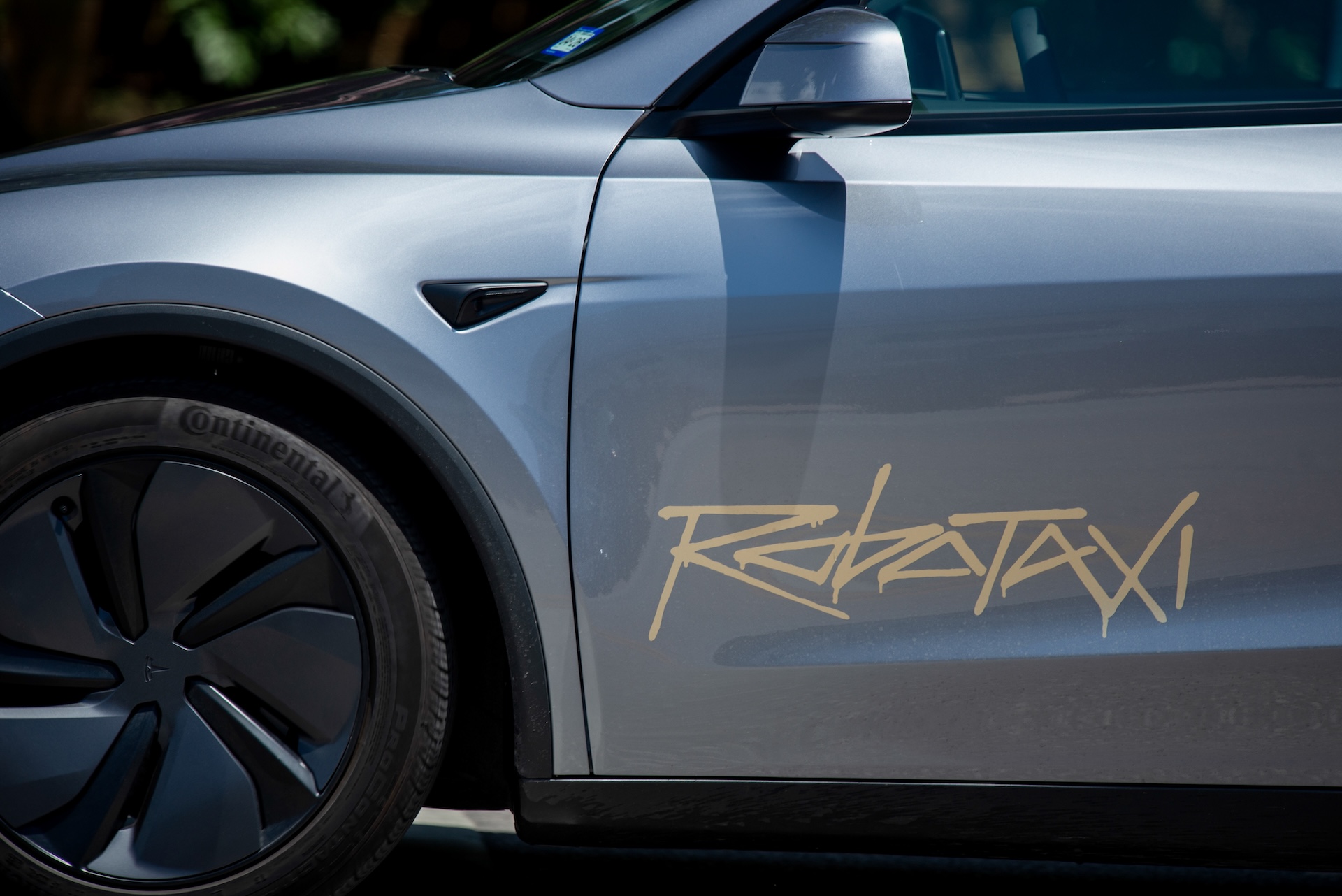

Clark County faces a rapid influx of robotaxis after the Nevada Transportation Authority unanimously approved three permits Thursday allowing Tesla, Uber and Waymo to run commercial autonomous services in the Las Vegas area.
The approvals together authorize as many as 8,000 vehicles over the next 12 months, split across the companies. Tesla’s permit covers up to 5,000 robotaxis, Waymo may operate up to 1,000 vehicles, and Uber received authorization for 1,000 vehicles that it will field through partnerships with Motional, a Hyundai subsidiary, and Zoox. Zoox already holds a separate permit to run 100 robotaxis under its autonomous vehicle network company authorization.
Permits set maximums, not guarantees, and company testimony at the hearing cast doubt on full-scale rollouts within a year. Tesla Cybercab chief engineer Eric Early said, “The 5,000 has always been a ceiling for us,” and added, “I don’t think we’ll be in a position by this time next year to deploy 5,000 vehicles, and it’s not [because of] the technology. … I think we would be extremely happy and satisfied if we could get ourselves up to 2,500, maybe a bit higher than that in the next year.”
Even if operators reach only a portion of those caps, Las Vegas is poised to become a competitive market for on-demand autonomous rides. That pace and scale will affect employment in the city, with proponents saying new roles will emerge to maintain, charge and clean fleets, while critics warn of displacement among existing taxi and gig drivers.
Opposition from local livery groups focused on industry and traffic impacts. Kimberly Maxson-Rushton, counsel for the Livery Operators Association, told regulators, “These applications raise two grave concerns.” She said one concern was “the oversaturation of the commercial transportation industry as a whole in Nevada,” and the other was “the overcrowding of the roadways, and specifically the Golden Triangle,” the testing corridor between the airport and Las Vegas Boulevard.
Motional is conducting tests in downtown Las Vegas and at a shopping area known as Town Square, underscoring how concentrated AV activity already is in the city. At the hearing, Uber argued for a hybrid approach that blends human drivers and robotaxis, proposing rules that would require autonomous vehicles to operate alongside human-driven ride-hailing cars. That position serves as both regulatory advocacy and a business hedge against uncertain autonomous rollouts, and the company said a gradual, mixed network would better match peak demand than a sudden flood of driverless cars.
The permits give companies the legal authority to scale up, but they do not resolve how many vehicles will actually hit Clark County streets in the coming year. Regulators, operators and local stakeholders will watch deployment numbers closely as companies translate authorization into service, and Las Vegas will be an early test of whether fast, large-scale robotaxi fleets deliver new mobility or accelerate disruption for existing drivers.