

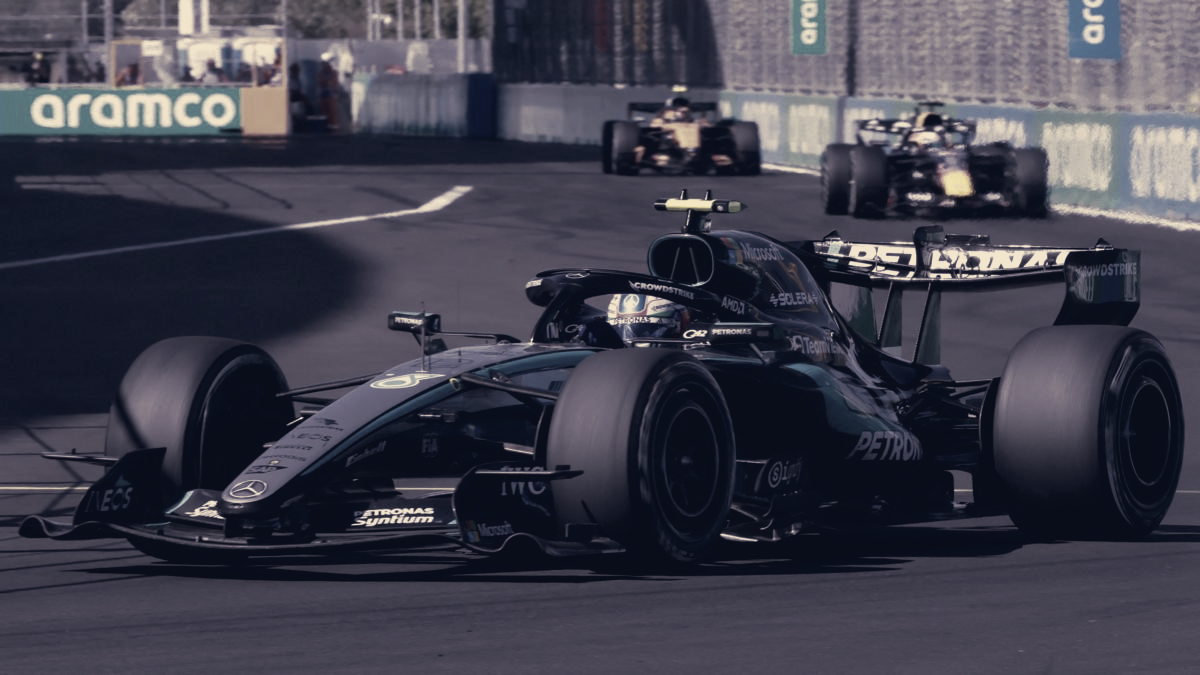
The Madring’s configuration made overtaking effectively impossible at the Spanish Grand Prix, reducing on-track drama and putting pressure on organisers to alter the layout before the race returns next year.
Kimi Antonelli won the first Spanish Grand Prix held at the Madring, stretching his lead in the drivers' standings. Max Verstappen finished second and McLaren's Lando Norris was third after losing the lead when he passed the pit entry immediately before a virtual safety car was called.
Drivers had warned ahead of the weekend that passing would be extremely difficult, and the race confirmed those fears. The circuit was built partly from scratch and partly on existing roads around the Ifema exhibition centre near Madrid's Barajas airport, a setting some compared to staging a grand prix at the NEC in Birmingham. That patchwork siting contributed to several practical problems.
The design faults cited by drivers and teams include the absence of a long straight leading into a heavy braking zone, numerous corners that force drivers to brake and turn at the same time, and walls that angle back toward the racing line on exits. The pit lane is the longest on the calendar, which increases the time loss of a stop and makes multi-stop strategies less viable. High tyre degradation combined with long pit losses encourages tyre management, reduces wheel-to-wheel attempts, and lowers the likelihood of incidents that produce a safety car.
Lando Norris was blunt after the race, saying, "I don't know how someone looks at this design and goes: 'Mint.'" He also offered concrete fixes, calling for the removal of turns 18 and 19 to create a straight from 17 to 20 with a wider entry, likening the idea to the big hairpin approach used at Austin. He suggested reworking the clumsy chicane at Turn Five and the section up to Turn Seven, and urged moving the pits and paddock so they are contiguous and entirely outside the track complex.
The virtual safety car highlighted a separate concern. The VSC freezes the race rather than bunching the field, and pitting under it typically costs less time than during normal racing. Norris’s loss, the result of his track position when the VSC began, appeared to be a rare and unusually decisive example of that effect. It emerged after the race that the issue "has been spoken about many, many times." Whether that will prompt a rule tweak, for example requiring a minimum of a full lap under a VSC, remains an open question.
The verdict from teams and drivers is clear: the Madring is fixable, but organisers must make specific changes to create more overtaking opportunities and simplify the paddock and pit layout if the venue is to become a regular stop on the F1 calendar.