
Leicester City’s identity and their chances of an immediate return up the leagues are under threat after a troubling opening to the League One season. The Foxes sit 18th with five points from their first five matches and suffered a 4-0 home defeat to Oxford United at the weekend, results that underline how sharply the club has slipped on the pitch.
The Story in Pictures
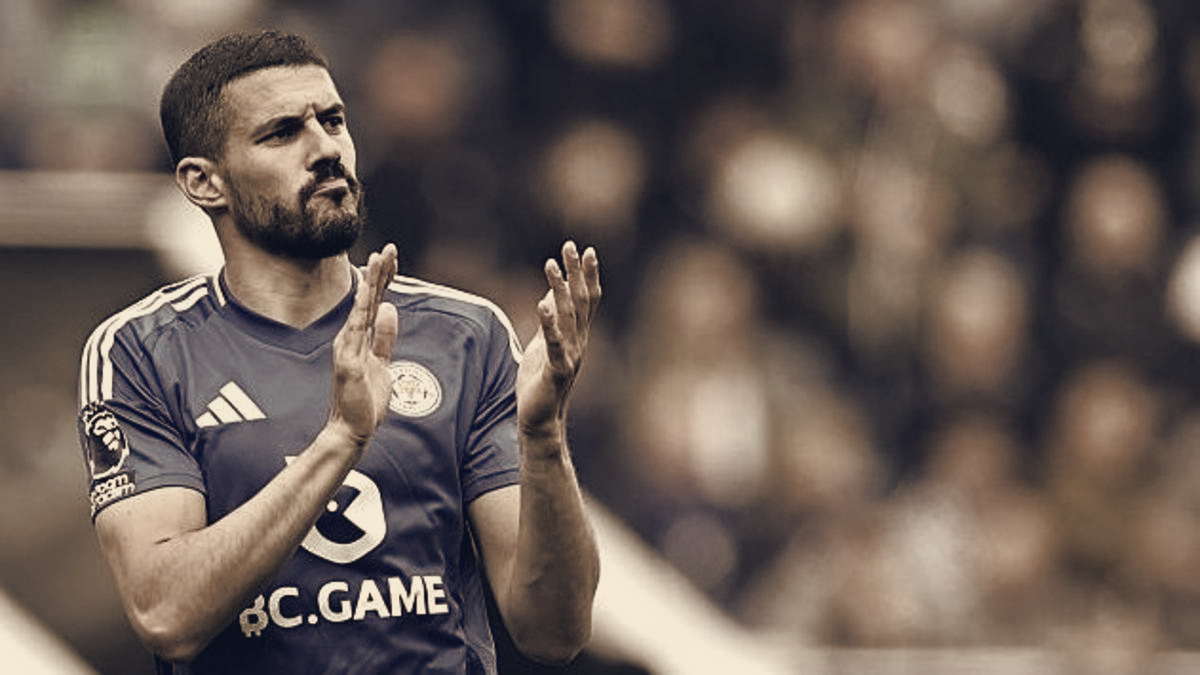
Conor Coady, who made 43 appearances and scored two goals for Leicester, said he sensed problems while he was at the club and argued they run deeper than the current squad or manager. “There’s got to be something deep down that’s wrong here because it’s been going on for too many years,” he told BBC Radio 5 Live. He accepted personal responsibility for his own performances, adding, “They haven’t been good enough. I was there, I felt it, I wasn’t good enough when I was there.”
Coady contrasted the present group with sides that made the King Power a difficult place to visit, naming Jamie Vardy, James Maddison, Youri Tielemans, Wilfred Ndidi, Wes Morgan and Robert Huth as part of a former identity that combined aggression and resilience. He also highlighted an extended period of change, saying the club has been “in transition too long” after three relegations in four years.
Rory Smith, writing in the Observer, has questioned recent managerial appointments and whether ownership has a coherent long-term plan, arguing differing managerial styles do not "suggest there’s any real strategy" for the club’s direction. That debate has been intensified by an ownership decision: Khun Aiyawatt "Top" Srivaddhanaprabha has acknowledged responsibility for decline and put Leicester on the market with an asking price of more than £200m.
On the touchline, Russell Martin has been in charge for less than three months and has won two of his first seven competitive matches. Former striker Chris Sutton warned that a possession-oriented approach may exhaust patience if results do not turn, saying, "He needs a result or two quickly to turn the tide," and noting supporters expect the team to press for a swift return up the leagues.
With fragile form, public doubts over strategy, and ownership in the market, Leicester face both a sporting and institutional test. The immediate task is to stabilise results; the wider question is whether short-term fixes will suffice or whether deeper structural change will be required to reverse the decline Coady describes.