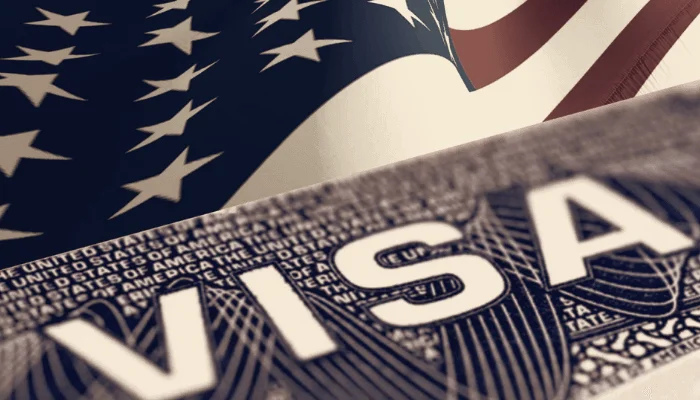
South African officials now face US visa restrictions after Secretary of State Marco Rubio said Pretoria had not addressed US concerns over racial inequality. Rubio announced the measures on Tuesday, saying the policy targets people who promote "race-based discrimination, incite violence, or enable land confiscation without compensation in South Africa." He did not name individuals.
The move marks a further deterioration in ties since President Donald Trump returned to office early last year. The administration has already reduced aid, expelled the South African ambassador and offered what it described as "refuge" to white South Africans it said were fleeing persecution. In August, Washington also applied 30% tariffs to goods exported from South Africa, the highest rate in sub-Saharan Africa.
Rubio added on social media that South Africa's government pursued a "racial grievance against the Afrikaner minority" and that those responsible for the alleged injustices "have no place in the United States." He said the South African government "has not adequately addressed the previously laid out concerns," and warned the United States would not allow such behaviour to go unchecked because it undermined "peace, economic stability and the rule of law."
The US embassy in Pretoria said dialogue had run its course and described the visa restrictions as a first step. "This visa restriction policy is only the first step in a series of escalatory measures that will show America's firm resolve in this matter," the embassy said.
South African officials have repeatedly denied claims that the state is persecuting white citizens or arbitrarily confiscating land. The government has said allegations of a white genocide lack reliable evidence and pointed to official crime statistics that do not show white people suffering disproportionately from violent crime.
The visa policy directly references land reform, a sensitive issue more than three decades after apartheid. South Africa's law now allows the state to expropriate property in the public interest and, in rare instances, set compensation at zero. The legislation also requires authorities, in most cases, to try to reach an agreement with owners first, and allows disputes to be settled in court. Most private farmland remains owned by white South Africans, who make up just over 7% of the population.
The South African government has not yet responded to the restrictions. Washington's declaration that tougher measures may follow leaves bilateral relations poised to worsen further unless the two sides resume credible talks.