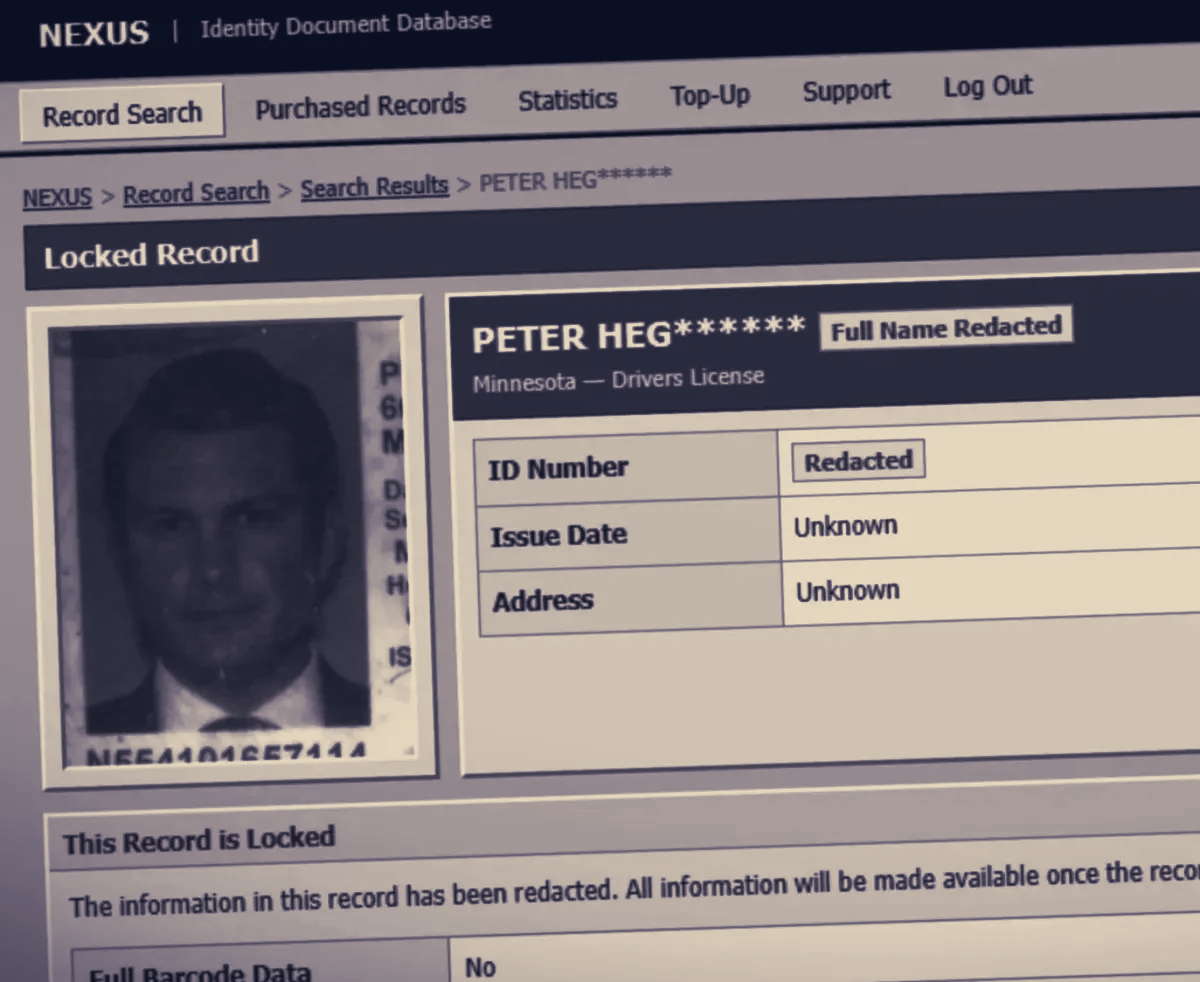

Millions of people face potential exposure after an identity-theft search site said it obtained a trove of drivers’ license images taken from an identity verification provider. The site’s claim put the number of affected photos above 150 million, and it identified the source of the images as a service used to check identity documents.
The allegation centres on a large dataset of licence photos and the implication that those images were removed from a commercial system built to confirm people’s identities. The claim does not name the verification platform, and the site presented the files as evidence of a breach. At this stage the report is a third-party assertion about files in circulation, not an official confirmation from the verification supplier or a law enforcement finding.
If the claim is accurate, the consequences would be broad. Images of identity documents are a primary asset for fraudsters seeking to impersonate others or to bypass automated checks. Organisations that depend on document-photo verification to onboard customers remotely, or to grant access to services, will have to reassess the risk of accepting such images as proof of identity.
The scale invoked by the site raises questions about how the images were stored and who had access to them. Security controls, retention policies and third-party sharing agreements are the sorts of details that clients and regulators will scrutinise. For users whose photos appear in the dataset, the immediate risk is misuse of their document images; for companies that bought or integrated the verification service, the risk is reputational and operational.
Next steps hinge on verification. Confirmation would require the verification provider to acknowledge the incident and disclose scope, impact and remediation measures, while customers of the service will demand evidence and protections. Absent that confirmation, the claim stands as a serious allegation that will force customers, regulators and security teams to press for full transparency and forensic review.