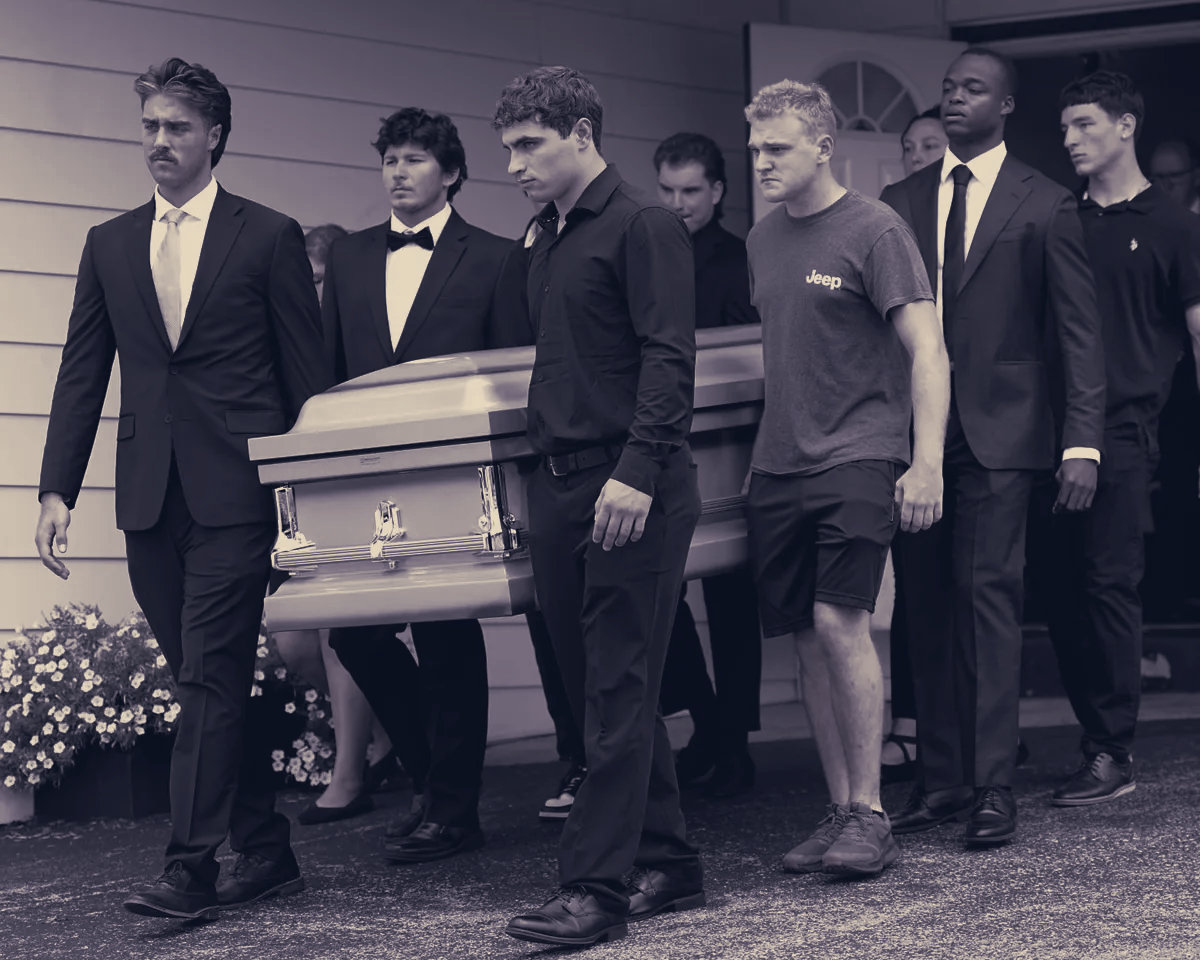

A Pennsylvania police officer has been charged with voluntary manslaughter after the fatal shooting of 22-year-old Glenwood Pysher IV, a college student who went to the wrong house and was unarmed at the time. The charge marks a shift from incident to indictment, placing the matter squarely into the criminal justice system where prosecutors must decide whether to pursue a trial or accept a negotiated resolution.
The filing of a voluntary manslaughter charge means the state alleges the officer caused the death without lawful justification under a standard that prosecutors must now prove in court. For the family of Glenwood Pysher IV and for local residents, the criminal charge changes the dispute from an administrative or policy question into a legal case with formal evidence disclosure, motions and the potential for courtroom testimony.
This development will concentrate scrutiny on how the encounter unfolded, including why a college student ended up at the wrong address and how responding officers assessed threat and used force. While details about the encounter and the officer’s identity have not been supplied here, the presence of a criminal charge ensures that those facts will be subject to examination in filings and, if the case proceeds, in public hearings.
The proceeding will chart the immediate next steps. Prosecutors must move the case toward arraignment, pretrial motions and either a trial or plea bargaining. Beyond the courtroom, the charge will influence local debate over policing practices and accountability, and officials, lawyers and community members will be watching for the evidence and legal arguments that follow.