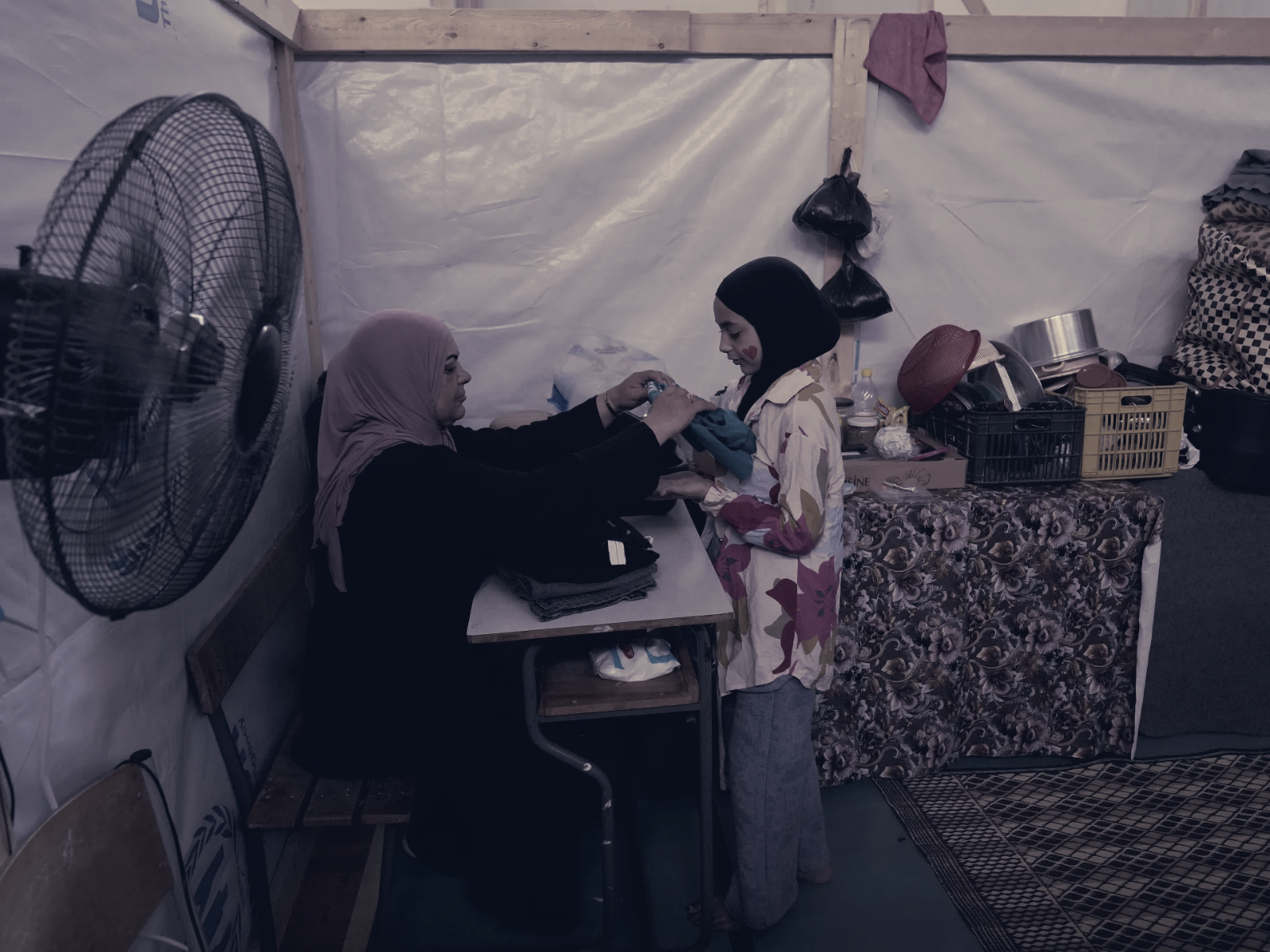

The organisation’s tally draws a direct contrast between the stated purpose of a government agreement with Israel to halt fighting and the lived reality for families across Lebanon. The daily average underlines that the cessation, however framed, has not been sufficient to shield children from the effects of military operations and violence.
For humanitarian actors and policymakers the number is both a metric and a warning. A sustained average of multiple child casualties each day signals that protections intended to keep non-combatants out of harm’s way are not working as intended. It risks eroding public confidence in ceasefire arrangements and in the capacity of national and international actors to enforce civilian safeguards.
The human consequences extend beyond immediate injury and death. Where children are repeatedly exposed to violence, communities face longer-term harm to health, education and social stability. The data from Save the Children therefore functions as a barometer of broader systemic failure to protect vulnerable populations in active conflict zones.
The persistence of child casualties despite an agreement to halt fighting will intensify scrutiny of how that agreement is implemented and monitored. Governments and humanitarian organisations now face pressure to explain why the protection of children has not improved and to identify immediate measures that will reduce death and injury among civilians.