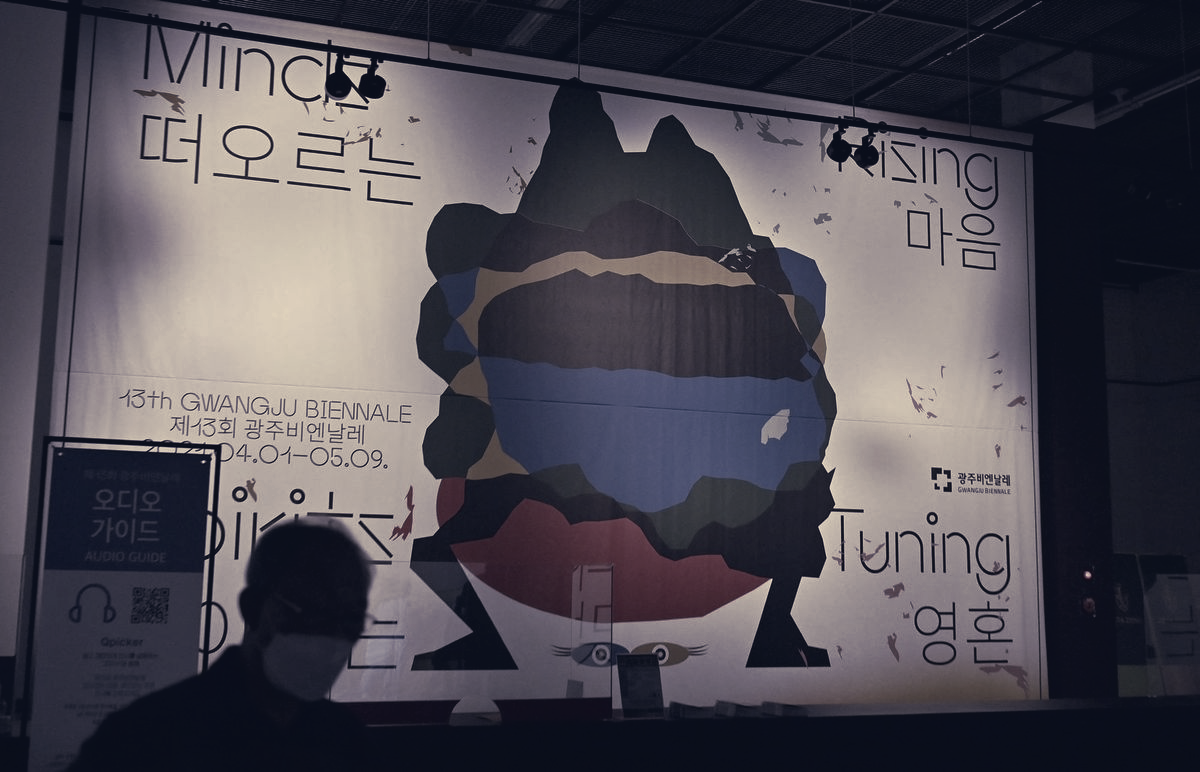

China removed its national pavilion from the Gwangju Biennale on September 3, eliminating official Chinese participation just two days before the 16th edition was due to open. The decision turns a change in exhibition listings into an immediate logistical and diplomatic problem for organisers and the show's lineup.
The curator who announced the withdrawal linked it directly to the biennale team's reversal over how a Taiwanese group was identified in promotional materials. Organisers had altered listings in mid-August, dropping the label "Taiwan Pavilion" and using the English acronym for the National Taiwan Museum of Fine Arts, NTMoFA, instead. That editorial change prompted demands from Taiwan's Ministry of Culture and the artists involved for the original designation to be restored.
Organisers initially resisted the request, then reinstated the title on August 25. In response to that reinstatement, Chinese curator Ruan Yuelai said the China Pavilion decided unanimously to pull out at a Thursday morning press conference, and he framed the dispute as outside the remit of cultural programming. He said, "The Gwangju Biennale’s use of an incorrect name concerning the participation of the China and Taiwan regions has brought about a situation in which political factors intervene in the domain of art."
The withdrawal brings a rapid escalation to a close, one that began with an apparent editorial edit and ended with a national delegation stepping back days before the public opening. It hands organisers a disruption to the final roster and highlights how nomenclature and small changes to labels can reshape which countries or regions appear on an international stage.
The biennale will open amid an unresolved cross‑strait dispute over representation and naming. How organisers and the remaining participants act in the days before the opening will determine whether the event can proceed as planned or if the fallout produces further withdrawals.