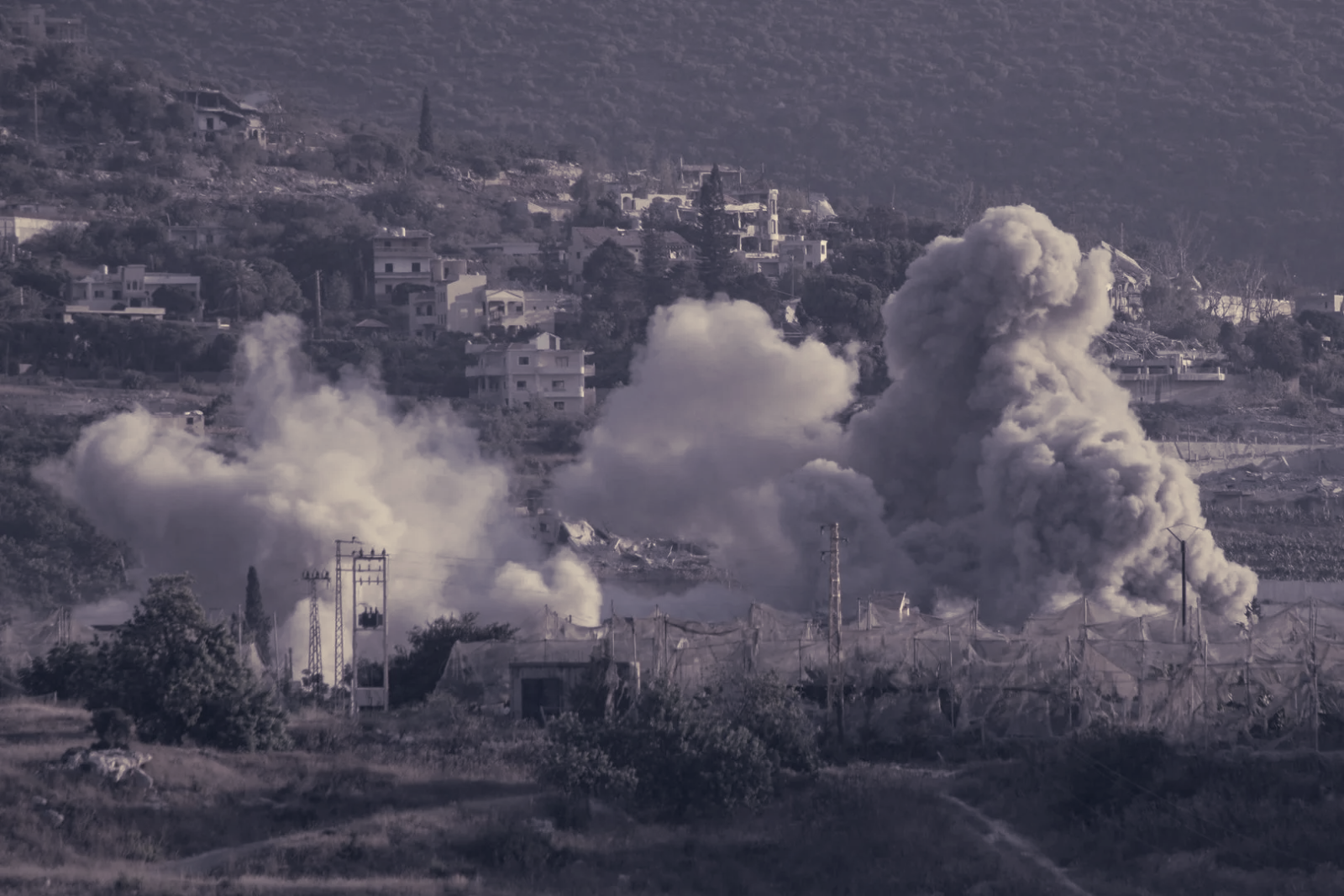

The returnees are moving back into landscapes of ruin, where houses once lived in have been damaged or levelled. The destruction has left alternatives scarce, and many people are unable to secure affordable accommodation. Where shelter can be found it is often inadequate for cold weather, and water supplies remain unreliable or absent.
Those conditions increase immediate risks to health and safety. Lack of proper housing and clean water exposes returning households to illness and removes a buffer against seasonal cold. The shortage of affordable options forces people to remain in damaged dwellings or temporary arrangements that do not meet basic needs.
The arrival of colder weather raises the stakes for recovery and survival. Rebuilding will require time and resources that are not yet in place, and the coming months will test whether communities can sustain themselves in place or are pushed back into displacement. The return of residents signals a determination to remain in their villages, yet it also highlights the gap between presence and protection.
Published on 4 Sep 2026, the situation underscores an urgent humanitarian concern centred on shelter, water and winter preparedness. How those needs are met will shape whether these villages recover in the coming months, or whether a lack of services forces further movement and long-term disruption for families who have already endured violence and upheaval.