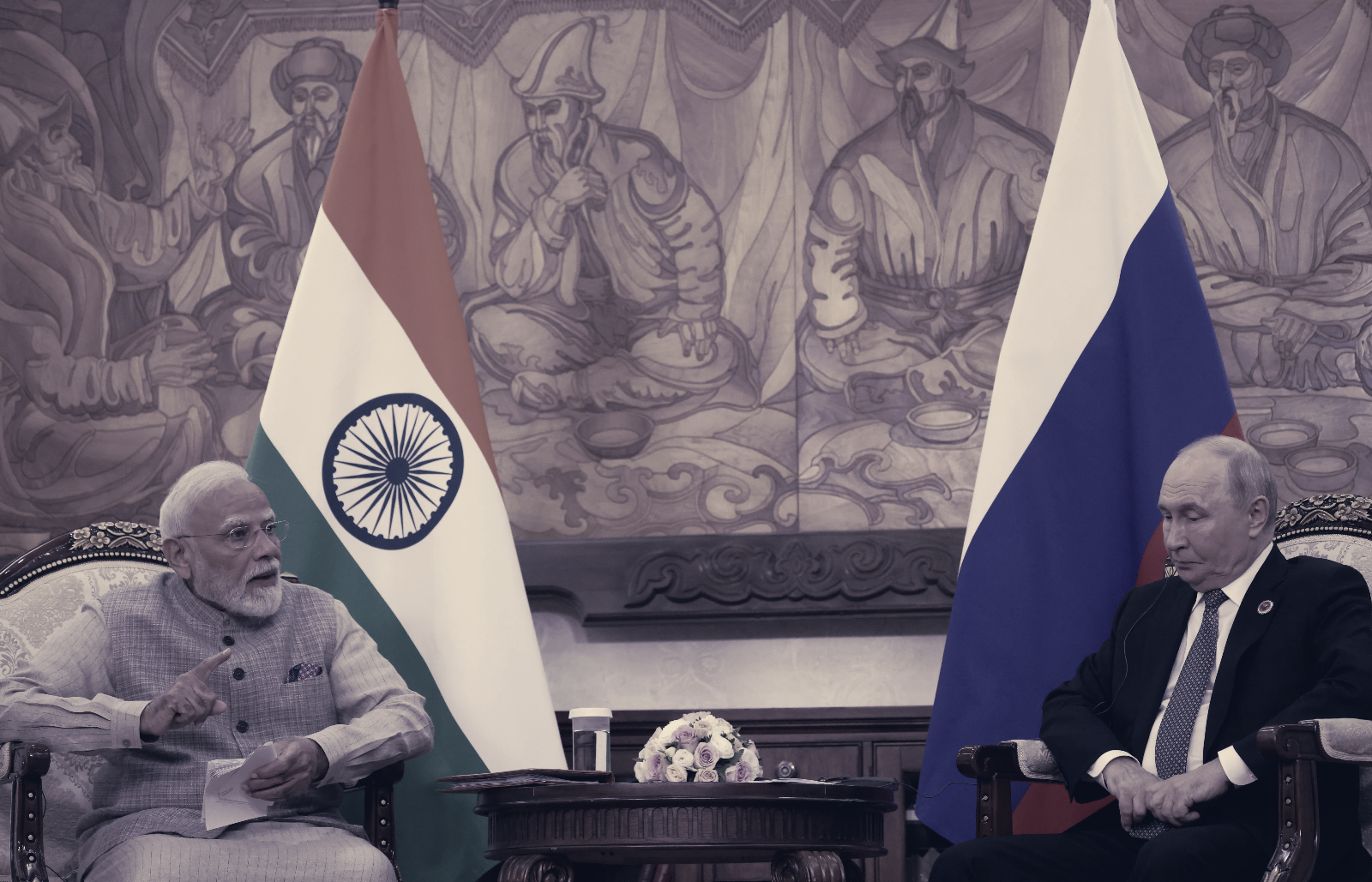

On the sidelines of the Shanghai Cooperation Organization summit, Prime Minister Narendra Modi told President Vladimir Putin that "India supports all peace efforts in this area [Ukraine war], and we will continue to do so," and said, "we must move from endless war to the end of war, to the cessation of hostilities." Modi added that "Every day that the war continues, humanity takes a step backwards."
The meeting came as Russia signalled a fresh push against Ukraine’s energy systems, with its Defence Ministry saying it plans "massive strikes" on the country’s power infrastructure. That warning followed an attack on an ammunition warehouse that killed 38 people, one of the deadliest strikes recorded during this conflict. Officials and national security analysts say strikes on energy facilities during winter would present Kyiv with its toughest operational challenge yet.
Those battlefield risks intersect with trade realities. Russia supplied more than 50% of India’s crude imports in June and July, and accounted for nearly 43% of imports through August 24. India’s trade figures show Russian exports to India rose to over $34 billion between April and July, an increase of nearly 60% from the prior year. Putin noted expanding bilateral commerce during the meeting, while saying "last year saw a slight decline."
At the same time, lawmakers in Washington are advancing legislation that would impose up to 100% tariffs on countries that rank among the top five purchasers of Russian crude or gas, a list that includes India and China. U.S. policy has already targeted India’s energy link with Russia: in August 2025 the U.S. imposed a 25% punitive tariff on India related to that trade, taking the total levy on Indian exports to the U.S. to 50% at the time. Those U.S. duties were later reduced to 18% earlier this year. Separately, U.S. officials are seeking to boost shipments of Venezuelan crude to India as an alternative to Russian barrels.
What happens next will be decided in Washington and in New Delhi’s energy strategy. If the House passes the tariff bill later this month, Indian refiners and importers could face sudden costs and incentives to shift suppliers. New Delhi’s public call for a cessation of hostilities underlines a diplomatic balancing act, seeking de-escalation even as its oil flows from Russia deepen economic ties that complicate policy choices.