
The International Atomic Energy Agency says North Korea has constructed a two-storey uranium enrichment building at the Yongbyon complex, a development the agency links to a steady expansion of the country's sanctioned nuclear infrastructure and a rise in its capacity to enrich uranium.
IAEA director Rafael Grossi called the finding a cause for "serious concern" and said the new structure appears capable of accommodating up to 28 centrifuge cascades. The agency published the assessment late last month after reviewing satellite imagery, the only approach it can use because it has had no inspectors inside North Korea since they were expelled in 2009.
The IAEA first flagged the existence of the building in June, and Grossi had earlier suggested the possibility. The agency also reported that Pyongyang has begun operating an expanded annex at a second enrichment site in Kangson, saying an annex there was first built in 2024 and that operations at Kangson started in January of this year.
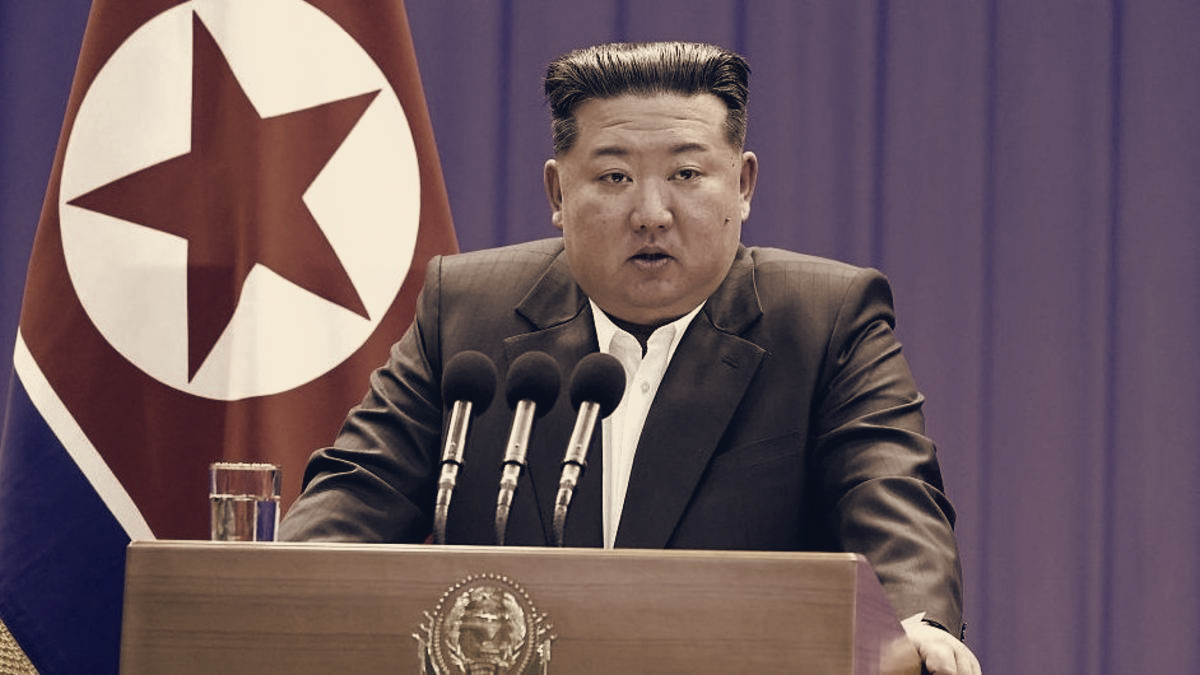
State media showed North Korean leader Kim Jong Un visiting a facility on 3 June the IAEA identified as the Yongbyon enrichment site. Kim praised what the agency quoted as a "greatly expanded production capacity" and said it would "offer the possibility of carrying out larger plans." The IAEA said the continuation and further development of the DPRK's nuclear programme are "clear violations of relevant UN Security Council resolutions and are deeply regrettable."
Analysts and officials say the expansion appears part of a broader acceleration under Kim, who has overseen a record number of missile tests and numerous tests of intercontinental ballistic missiles since 2017. The country has conducted six nuclear tests, the last in September 2017, and declared itself a nuclear power in 2022, vowing not to relinquish its weapons, which are estimated to number in the dozens.
Outside observers note the program's secrecy makes it hard to locate and target facilities. "What makes North Korea's nuclear programme so concerning is that many of its facilities are unknown, concealed, and thus difficult to target," Edward Howell, a lecturer at the University of Oxford, told reporters. He added that other sites, such as Kangson, are known to exist beyond Yongbyon.
Seoul has proposed talks with Pyongyang tied to a formal end to the Korean War, framing negotiations as a possible forum to discuss ways to halt the North's nuclear advance; North Korea has not responded. The IAEA report, and satellite analysis more broadly, will remain a primary means for outside governments to track the growth of Pyongy's enrichment capabilities in the absence of on-site access.